Paris Like a Local: Village Neighborhoods, Lively Markets and Hidden Treasures of the Capital
August 15, 2026 at 10:13 PM · Compte supprimé · Updated on September 7, 2026 at 12:19 AM
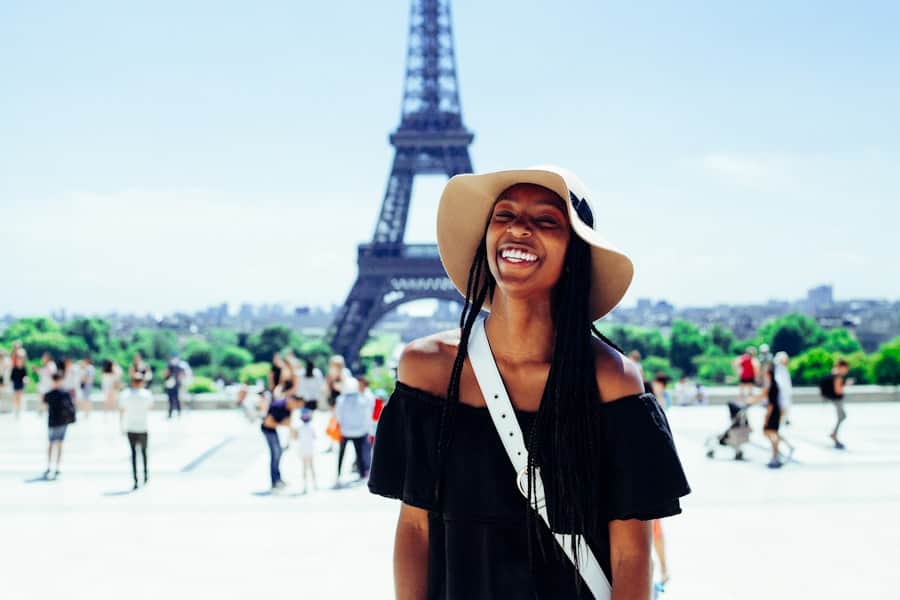
Paris needs no introduction: the Eiffel Tower, the Louvre, sidewalk cafés are part of the collective imagination long before you set foot there. But behind this world-famous postcard hides a far more fragmented city, made up of twenty arrondissements each with a strong identity, village-like neighborhoods where you cross paths with the same faces every morning, and everyday rituals that only locals truly know. At GotaNomad, we like to believe that the best way to understand Paris isn't to tick off monuments, but to slowly get lost in it, one market, one cobbled street, one conversation at a time.
A Capital Shaped by Twenty Centuries of History
It all begins in the 1st century BCE, when the Parisii, a Celtic people, settled on the banks of the Seine at the strategic spot that would become Lutetia. The Roman conquest of 52 BCE sealed an initial period of domination, before Clovis, first king of the Franks, made the city the capital of his kingdom in 508. It would take until the 17th century, and above all Haussmann's great urban works of the 19th century, for Paris to take on the face we know today: wide boulevards, buildings in strict alignment, and outlying districts woven into the urban fabric.
The nickname "City of Light," often linked to the Age of Enlightenment and thinkers like Voltaire, Rousseau or Diderot, actually has a more concrete origin: as early as 1665, under Louis XIV, Paris became a pioneer in urban street lighting. It was later the spectacular illuminations of the 1889 World's Fair, with a brand-new Eiffel Tower, that confirmed this reputation in the eyes of the whole world. It's also sometimes called "Paname," a popular nickname whose origin remains uncertain, somewhere between a fashionable hat and slang simply meaning "huge." Today, the city has around 2,087,600 residents according to the latest INSEE figures, a population that has slightly declined over recent years, while the banks of the Seine, from Notre-Dame to the Eiffel Tower, have been a UNESCO World Heritage site since 1991.
Twenty Arrondissements, Twenty Villages
This is arguably the key to experiencing Paris differently: forget the idea of a single city and think instead of a mosaic of villages. The Quartier Latin, around the Sorbonne and Montagne Sainte-Geneviève, remains one of the oldest and liveliest areas on the Left Bank. Montmartre, the famous painters' quarter dominated by the Sacré-Cœur basilica, is still home to the capital's oldest cabarets. Le Marais, spanning the 3rd and 4th arrondissements, concentrates art galleries, private mansions and a dense nightlife. Further south, the 7th arrondissement charms with its upscale, family-friendly atmosphere, while the Invalides area, packed with embassies, cultivates an almost provincial calm.
To get off the beaten path, head to the Butte-aux-Cailles in the 13th arrondissement: cobbled streets, low-rise houses and alternative bars make up a small village within the city, especially lively at night. Belleville, straddling the 19th and 20th arrondissements, embodies a working-class, cosmopolitan Paris, with its mosques, African community centers, and a Chinatown that's more low-key than the one near Place d'Italie but much older. Les Batignolles, in the 17th, charms with its café terraces and independent shops along Rue des Dames or Rue Lévis. As for the Chinatown of the 13th, centered around Avenue de Choisy and Avenue d'Ivry, it offers full meals for around ten euros in family-run restaurants.
The Must-Sees, Differently
There's no ignoring the great monuments, but they're best approached with a plan. The Louvre, the world's most-visited museum with 8.7 million visitors in 2024, holds more than 35,000 works spanning nine thousand years of art history: a timed ticket and an arrival right at opening time help you avoid most of the crowds. The Eiffel Tower welcomed 6.3 million visitors that same year, a stable figure according to its official operator. Closed after the 2019 fire, Notre-Dame reopened its doors on December 7, 2024, and has since seen spectacular attendance, with more than 11 million visitors recorded within just a few months. The Arc de Triomphe, commissioned by Napoleon I in 1806, offers a unique view over the twelve avenues radiating from Place Charles-de-Gaulle, and the Sainte-Chapelle, with its 1,113 stained-glass panels dating back eight centuries, remains one of the most luminous Gothic jewels in the capital.
Secret Lanes and Forgotten Neighborhoods
Some corners of Paris still largely escape the crowds. La Mouzaïa, in the 19th arrondissement, hides low-rise houses built over former gypsum quarries: the fragile ground beneath prevented any tall construction, preserving an almost untouched village feel. In the Quartier Latin, the Rue du Chat-qui-Pêche, with its minimal width, claims the title of Paris's narrowest street, a medieval remnant squeezed between two façades. For an even more unusual experience, the Catacombs, in the 14th arrondissement, let you descend twenty meters underground along a 1.5-kilometer ossuary unique in the world: booking online, several weeks ahead, is almost essential given how high demand is.
Markets and Food, the City's Real Pulse
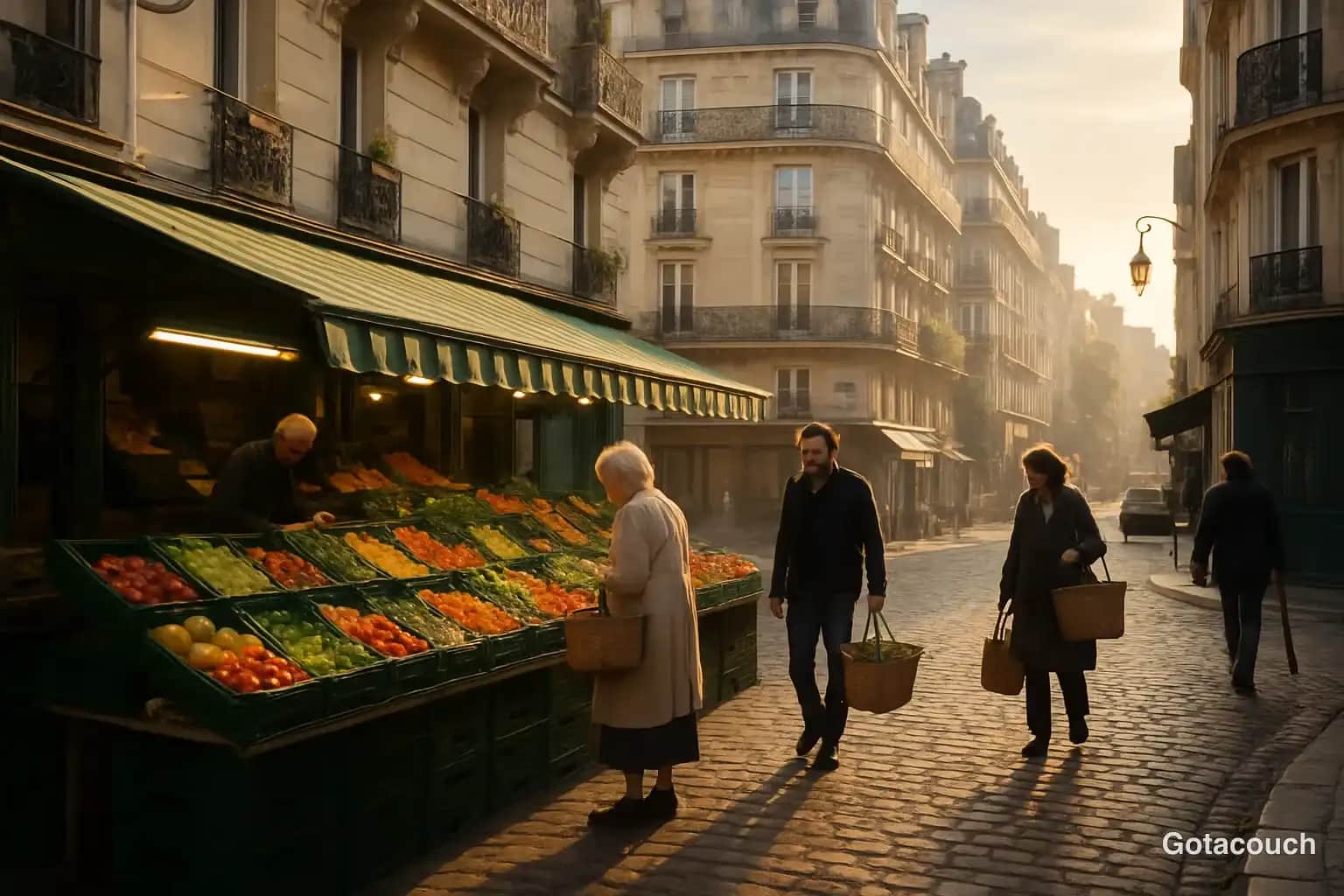
Nothing tells the story of everyday Parisian life better than a neighborhood market. The Marché d'Aligre, in the 12th arrondissement, mixes traditional fruit and vegetable stalls with organic and artisanal ones: it's one of the last places where you can still find the atmosphere of Paris's old covered markets. Around Place Monge, in the 5th, a small market rivals the shops of the nearby Rue Mouffetard for appeal. More recently, La Communale, set up in Saint-Ouen under a former industrial hall at the Docks, has established itself as the largest covered food market in Europe, blending street food with local produce. Wandering these markets, chatting with a greengrocer or a cheesemonger, remains one of the simplest and most genuine ways to meet Parisians on their own turf.
Beyond Paris: Nearby Places Not to Miss
A single day is enough to reach the Château de Versailles and enjoy the park, the Grand and Petit Trianon, or Queen Marie-Antoinette's Hamlet; half a day lets you focus on the royal apartments and the Hall of Mirrors. The gardens of Giverny, where Claude Monet painted his water lilies, are often combined with Versailles in the same itinerary. For travelers seeking calm, the Château de Fontainebleau and its vast gardens offer a less crowded alternative within a reasonable distance of the capital.
When to Go and How Long to Stay
Paris enjoys a temperate oceanic climate, with no true dry season, and an average annual temperature of 12.3°C. April, May, September and October offer the best balance between mild weather and manageable crowds, while the May-to-October period generally guarantees sunny weather. For tighter budgets, January and November remain the most affordable months. As for length of stay, a week is the ideal format for a first trip, leaving enough time to visit the highlights while still leaving room for the unexpected; two to four days are enough for a satisfying overview, even though it's possible to see the essentials in a single well-organized day.
Practical Tips for Traveling Smart
- The metro and RER remain the most efficient ways to get around, even for short stays.
- Line 6, which runs alongside the Eiffel Tower, is flagged as a pickpocketing risk zone: stay alert to persistent solicitations from strangers.
- In case of trouble on Île-de-France public transport, an alert system exists via 3117 (call) and 31177 (text).
- Book online and in advance for the Catacombs, the Eiffel Tower and Notre-Dame, whose attendance has surged since its reopening.
- For the Louvre, opt for a timed ticket right at opening or during evening hours to avoid most of the queues.
According to the Paris Je t'aime tourist board, the Île-de-France region welcomed 48.3 million visitors in 2024, a record driven in part by the Olympic and Paralympic Games, with tourist spending reaching 23.4 billion euros. These figures, measured at the scale of Greater Paris rather than the city proper, reflect the intact appeal of the capital and its region, between world-renowned heritage and a neighborhood life that's as vibrant as ever.
Living Paris Rather Than Visiting It
Paris has to be earned a little: the city fully reveals itself to those who take the time to step off the main tourist routes, share a coffee with a local resident, or stay with someone instead of in an anonymous hotel. This is precisely the spirit GOT A COUCH? stands for: turning a stay into an encounter, and a world-famous, endlessly photographed capital into a city you finally understand from the inside, neighborhood after neighborhood, market after market.
Articles to discover
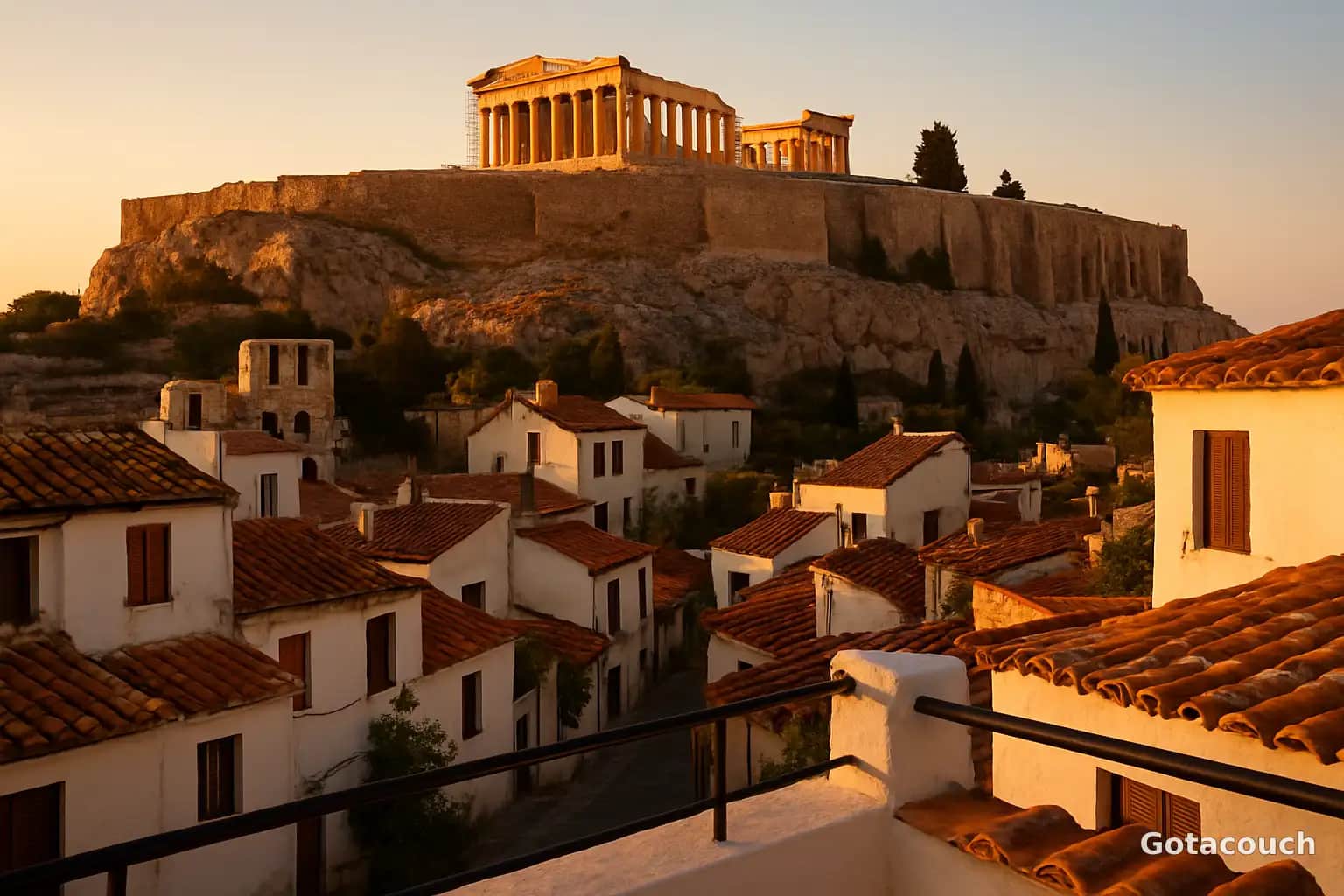
Athens Neighborhood by Neighborhood: Marble Ruins, Cycladic Alleys and Rooftop Ouzo Beneath the Acropolis
September 21, 2026 at 12:20 PM
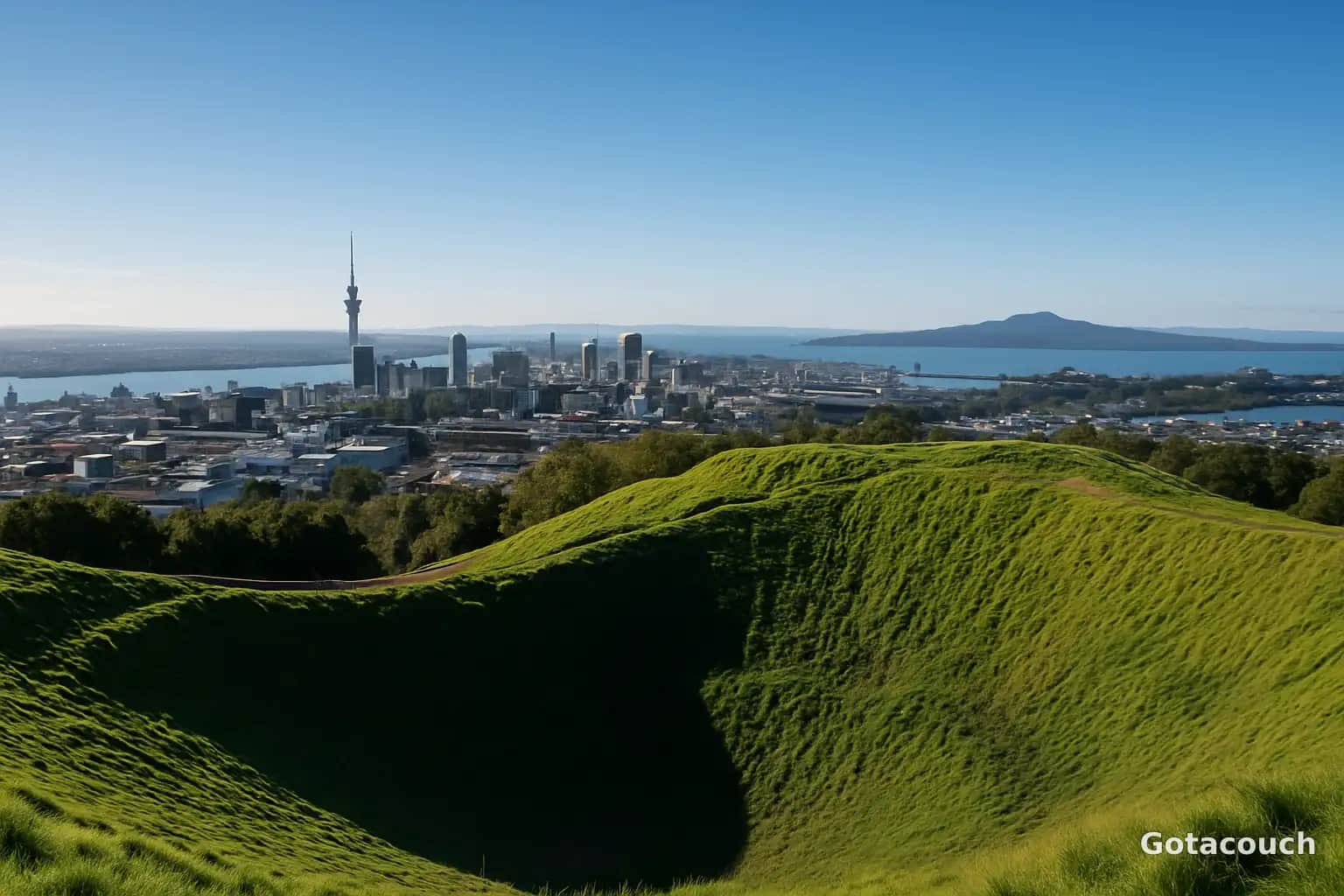
Auckland, City of Volcanoes and Sails: Where Māori Heritage Meets the Pacific Soul of New Zealand
September 19, 2026 at 8:06 PM
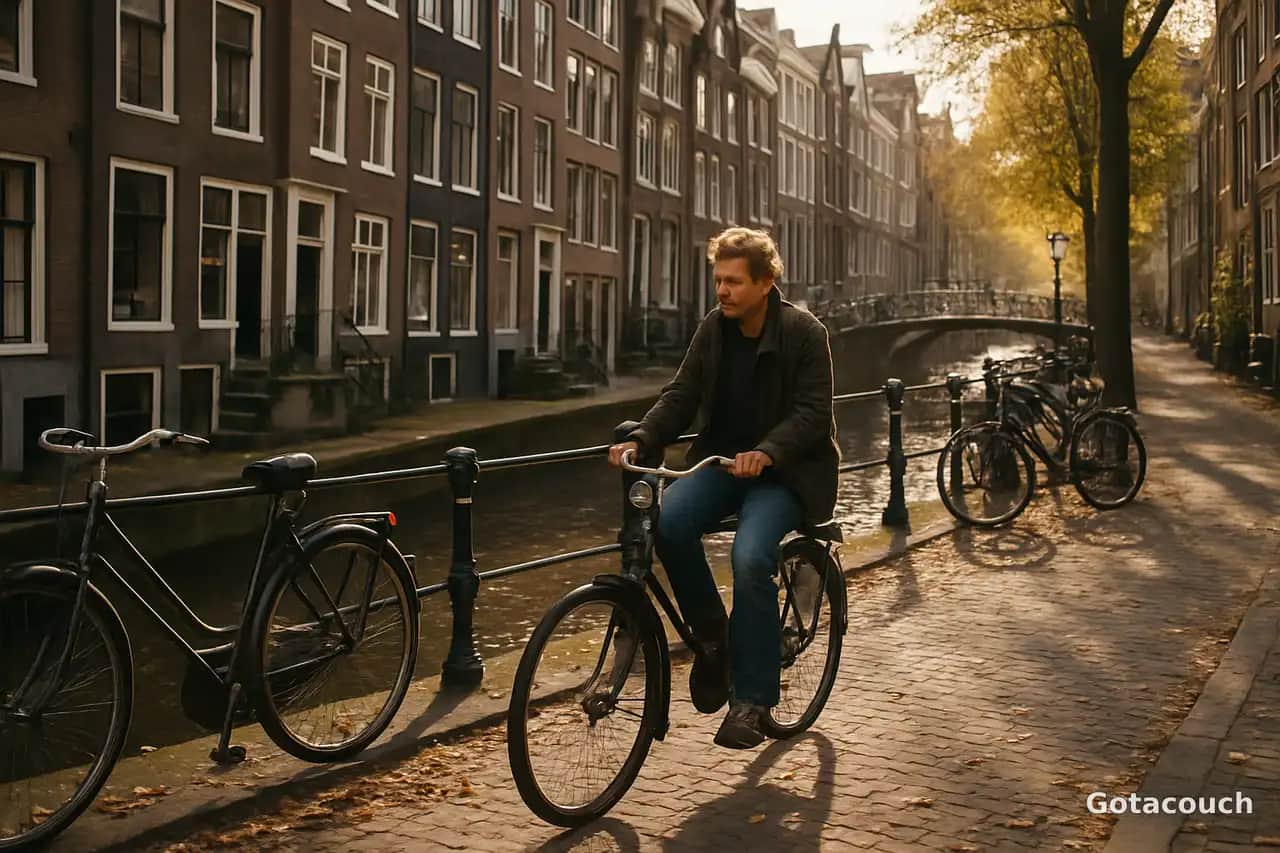
Amsterdam Beyond the Canals: Cycling Through Neighborhoods, Markets and the Dutch Art of Everyday Life
September 19, 2026 at 8:55 AM
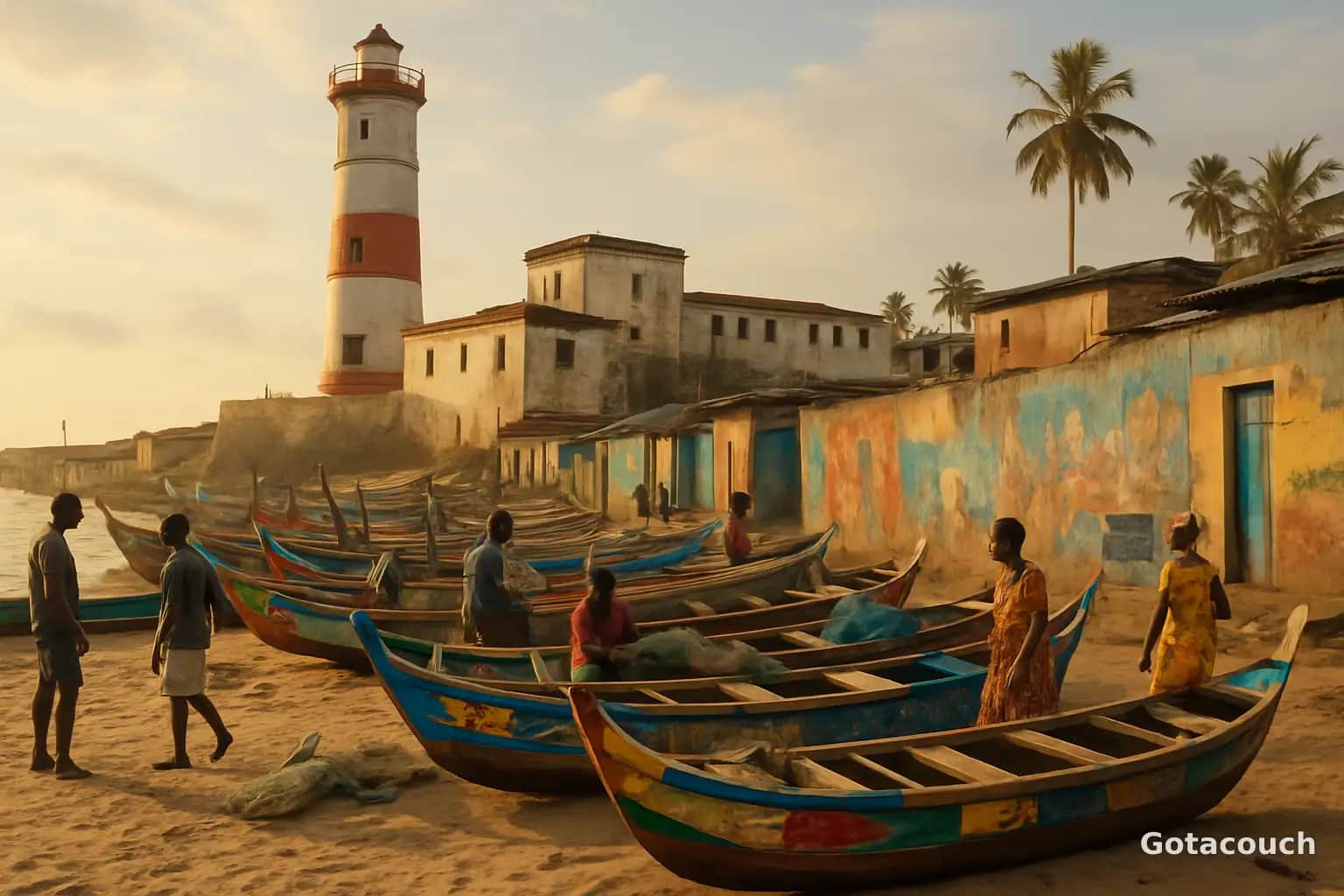
Accra, the Ghanaian capital that carried Africa's independence: Jamestown, Osu and the Ga soul
September 5, 2026 at 12:58 AM
Seoul, a City of Two Faces: Royal Palaces, Futuristic Neon and Hallyu Culture Along the Han
September 2, 2026 at 8:05 AM
Fez, the Idrisid City Where You Learn to Slow Down: A Millennial Medina, Living Craftsmanship and Andalusian Flavors
September 1, 2026 at 8:04 PM
Comments
Log in to leave a comment.
No comments yet.