Cartagena de Indias: Walls Built Against Pirates, a Heart Beating to Afro-Caribbean Rhythm
October 14, 2026 at 3:07 PM · GotaNomad
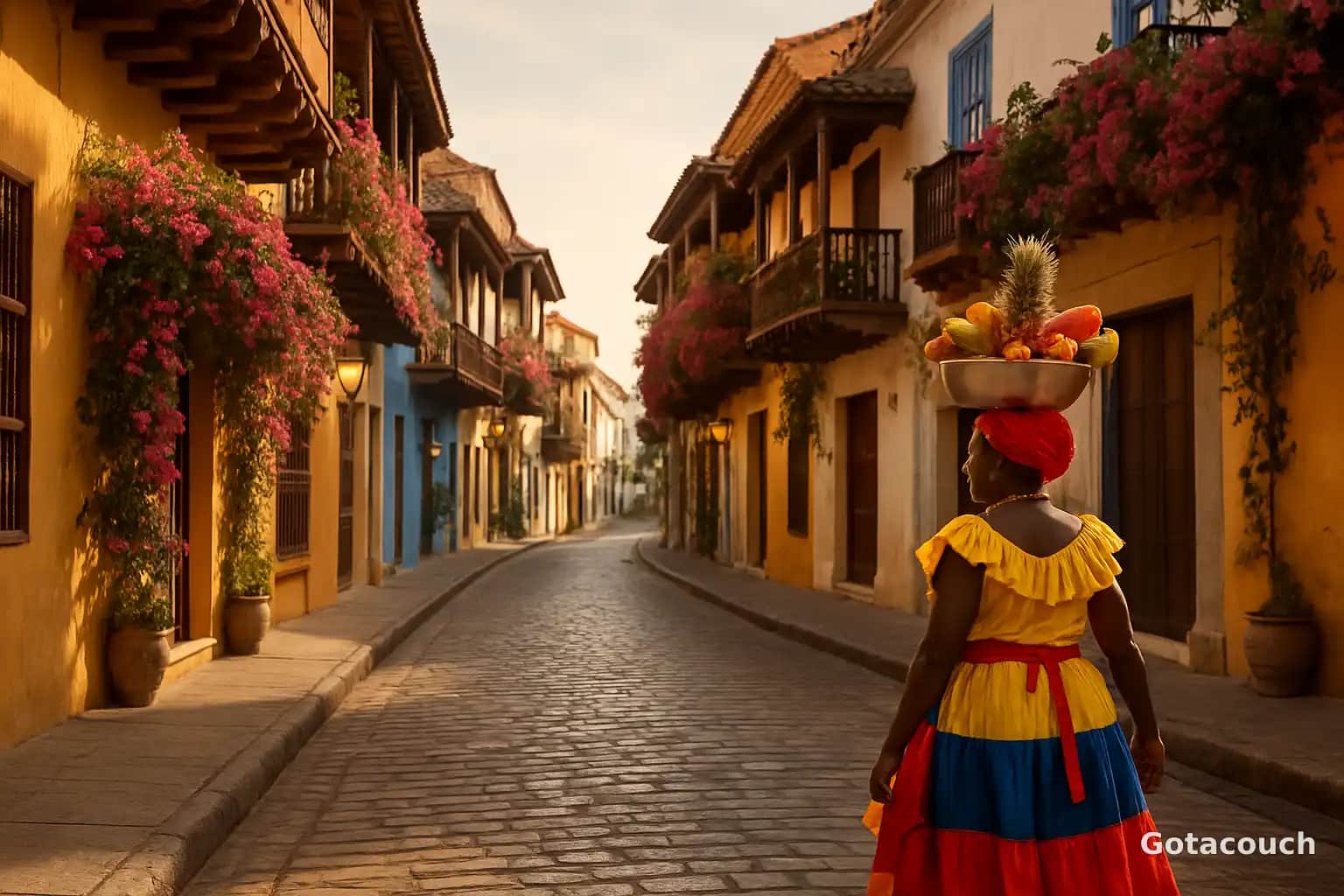
Long before Cartagena became one of South America's most photographed cities, it was a prize. Founded in 1533 by the Spanish conquistador Pedro de Heredia, the port quickly became one of the most strategic harbors of the Spanish empire in the Americas — a funnel through which gold and silver from across the continent were loaded onto galleons bound for Seville. That wealth made Cartagena a target, and its history was written as much by the pirates who attacked it, including the notorious Francis Drake, as by the merchants and viceroys who governed it. The scars and the defenses of that era are still the city's defining feature today.
A Fortress City That Refused to Fall
To understand Cartagena, you have to understand its walls. The Spanish crown poured resources into building what is considered one of the most complete fortification systems in South America, a ring of stone ramparts, bastions and sea walls designed to make the city nearly impossible to take. The effort worked well enough that the historic center, its fortifications and the imposing Castillo San Felipe de Barajas were together inscribed on the UNESCO World Heritage list in 1984.
Climbing San Felipe de Barajas is still the best way to grasp the scale of that ambition. The fortress dominates a hill overlooking the old city, its thick walls riddled with a network of underground tunnels built so that soldiers could move, listen and surprise attackers without ever stepping into the open. Walking those tunnels, torch-lit and narrow, is a visceral reminder that this city was built, stone by stone, to survive.
Inside the Walled City: Centro, San Diego and the Clock Tower
Step through the Torre del Reloj, the historic gateway into the Ciudad Amurallada, and the old city unfolds in a maze of pastel façades, flower-draped balconies and shaded plazas. The Centro is Cartagena's most photographed face, home to the Palacio de la Inquisición, the former seat of the Spanish Inquisition's tribunal and now a museum that lays bare a darker chapter of colonial rule.
For a quieter version of the same beauty, wander into San Diego, a neighborhood within the walls where the crowds thin out and artisan workshops and small galleries take over from souvenir shops. Both the Centro and Getsemaní are easily explored on foot, and that's precisely the point: Cartagena rewards slow walking, the kind that lets you notice a doorway, a courtyard, a palenquera setting up her fruit stand on a corner.
Getsemaní: From Working-Class Faubourg to Creative Pulse
Just outside the main walls, Getsemaní tells a different story. Once a modest, working-class neighborhood, it has become the city's cultural engine, its walls covered in dense, vivid street art and its Plaza de la Trinidad filling with music, food carts and impromptu dancing as evening falls. This is where Cartagena feels most alive after dark, and where the Afro-Caribbean rhythm of champeta music — born from African and Caribbean influences — spills out of speakers and into the street.
The Afro-Colombian Soul of the Caribbean Coast
No understanding of Cartagena is complete without reckoning with San Basilio de Palenque, a village founded by self-liberated enslaved people and recognized as the first free Black settlement in the Americas. Its cultural space was inscribed on UNESCO's Intangible Cultural Heritage list in 2005, and it stands today as a site of memory for Afro-descendant resistance. That legacy threads directly into Cartagena's streets through the palenqueras, the women in brilliantly colored dresses, traditionally from Palenque, who walk the old city balancing bowls of fresh fruit and coconut sweets on their heads. Their presence is one of the most recognizable — and most meaningful — images of the city; it's worth asking locally about where and when they tend to gather, since their spots can shift through the day.
Eating Like a Cartagenero
Cartagena's Caribbean coast cuisine is built on coconut, citrus and the sea. Expect arroz con coco, rice slow-cooked in coconut milk, alongside fried fish and seafood, crisp patacones, and arepas de huevo stuffed with egg. Ceviche here leans bright and tropical, built on shrimp, lime and coriander rather than the Pacific-coast versions found elsewhere in the country.
For a dose of unfiltered local life, head to the Mercado de Bazurto, the city's great popular market, thick with the smell of fresh fish, the chatter of vendors and music drifting between stalls. It's a sensory experience far removed from the manicured Centro, and most visitors find it far more rewarding with a local guide, who can translate both the language and the social codes of the market.
Beyond the Walls: Fishing Villages, Islands and Mud
Cartagena is also a gateway to its surroundings. North of the city, La Boquilla is a fishing village wedged between beach and mangrove, where canoe trips and artisanal fishing outings offer a quieter counterpoint to the old city's bustle. Further afield, the coral islands of the Islas del Rosario and the white sands of Playa Blanca make for classic day trips, while the Volcán del Totumo draws travelers curious enough to float in its mud crater. San Basilio de Palenque itself can also be visited on a day excursion, connecting the city's Afro-Colombian heritage directly to its source. For all of these, it's worth checking current boat schedules, fares and operators locally or through the tourism office, since timings can vary by season.
When to Go
Cartagena has a tropical climate with a rainy season running roughly from May to November — October is typically the wettest month — and a dry season from December to April. The dry months, especially December through March, are generally considered the best time to visit, bringing cooling night breezes along with the crowds; December and January mark the high season for tourism. Traveling between May and September means more rain, but showers tend to be short, and sightseeing remains very much possible for those who don't mind an occasional downpour.
Planning Your Stay
Two to three days are enough to cover the essentials: the walled city, Getsemaní and the climb up to San Felipe de Barajas. For a fuller picture that includes day trips to the islands, beaches or Palenque, four to six days give you more breathing room. Many nationalities, including travelers from France, Belgium, Switzerland and Canada, can currently enter Colombia without a visa for short tourist stays with a valid passport, though it's always worth reconfirming entry requirements with a Colombian embassy or consulate before departure.
Getting around the Centro and Getsemaní is best done on foot. For longer trips — to Bocagrande, the Rafael Núñez airport, or the beaches — taxis or ride-hailing apps are the practical choice; agree on a price in advance or check the meter with street taxis. Cartagena tends to run more expensive than the Colombian average, particularly for accommodation and dining within the historic center, so it's worth checking current prices in Colombian pesos against the exchange rate shortly before you travel. As in any busy tourist city, basic caution helps: keep valuables out of sight, favor taxis over walking at night in outlying areas, and stay alert in crowded tourist spots prone to pickpocketing. Checking your government's latest travel advisories before departure is always a sensible final step.
A City That Keeps Its Promises
Cartagena rewards travelers who go beyond the balcony photographs. Behind those famous walls is a city shaped by resistance and resilience — from the fortress that held off empires' rivals to the descendants of Palenque who carry their heritage through the streets in color and song. Walk slowly, eat with curiosity, and let the champeta rhythm guide you from the Centro's quiet courtyards to Getsemaní's loud, joyful nights.
Articles to discover
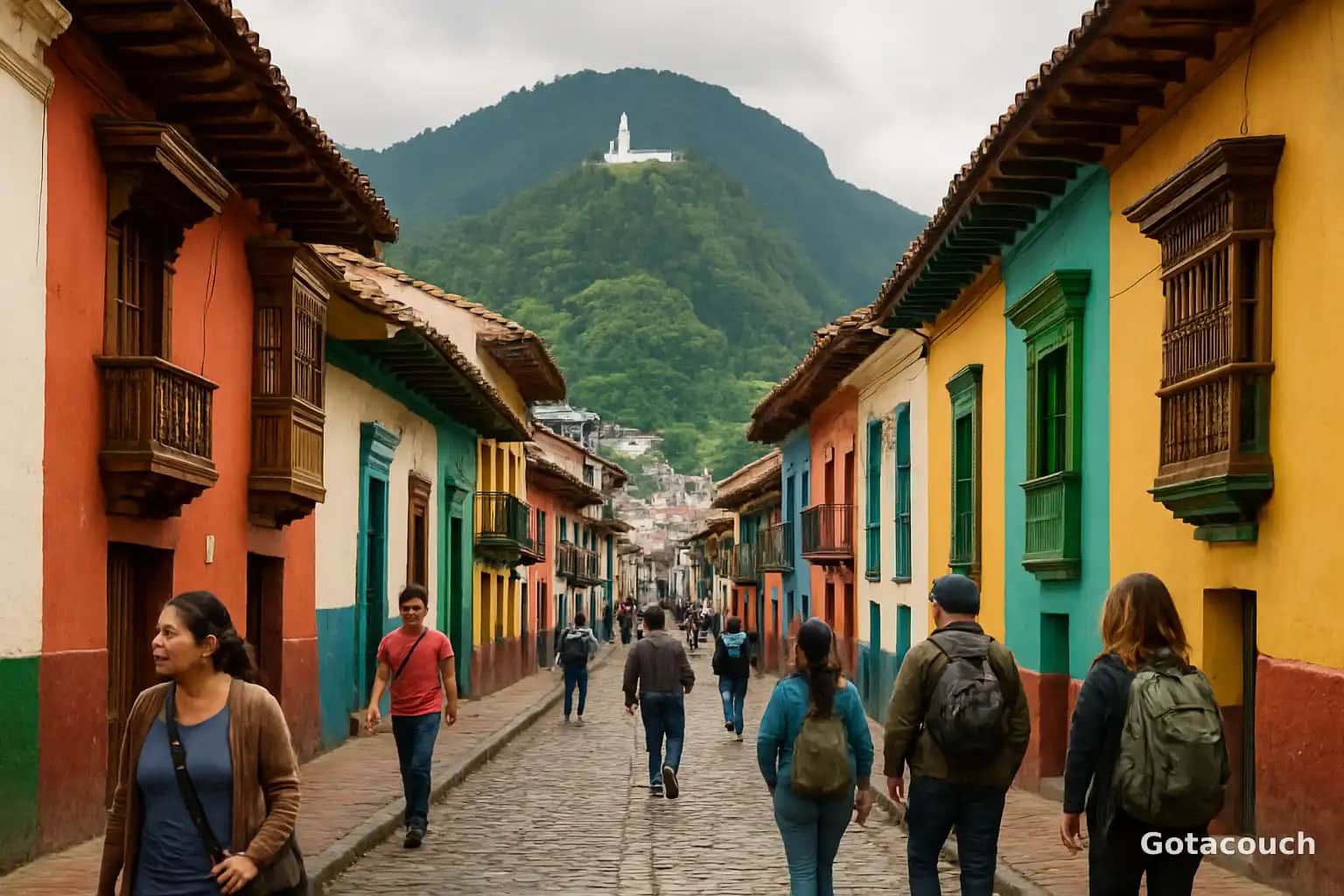
Bogotá at 2,600 Meters: Colonial Alleys, Golden Legends and the High-Altitude Soul of Colombia's Capital
October 14, 2026 at 2:28 PM
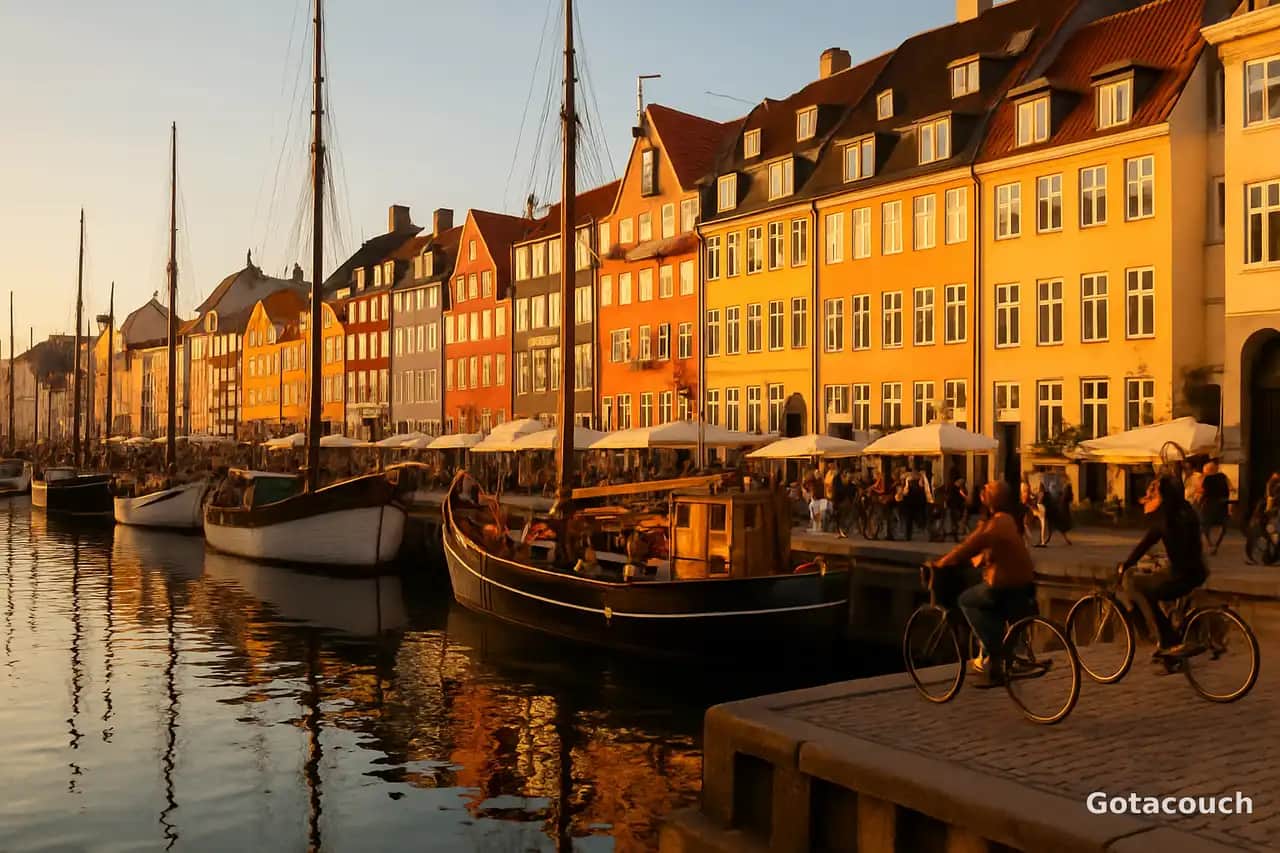
Copenhagen on Two Wheels: Canals, Hygge and the New Nordic Spirit of Denmark's Capital
October 15, 2026 at 11:18 AM
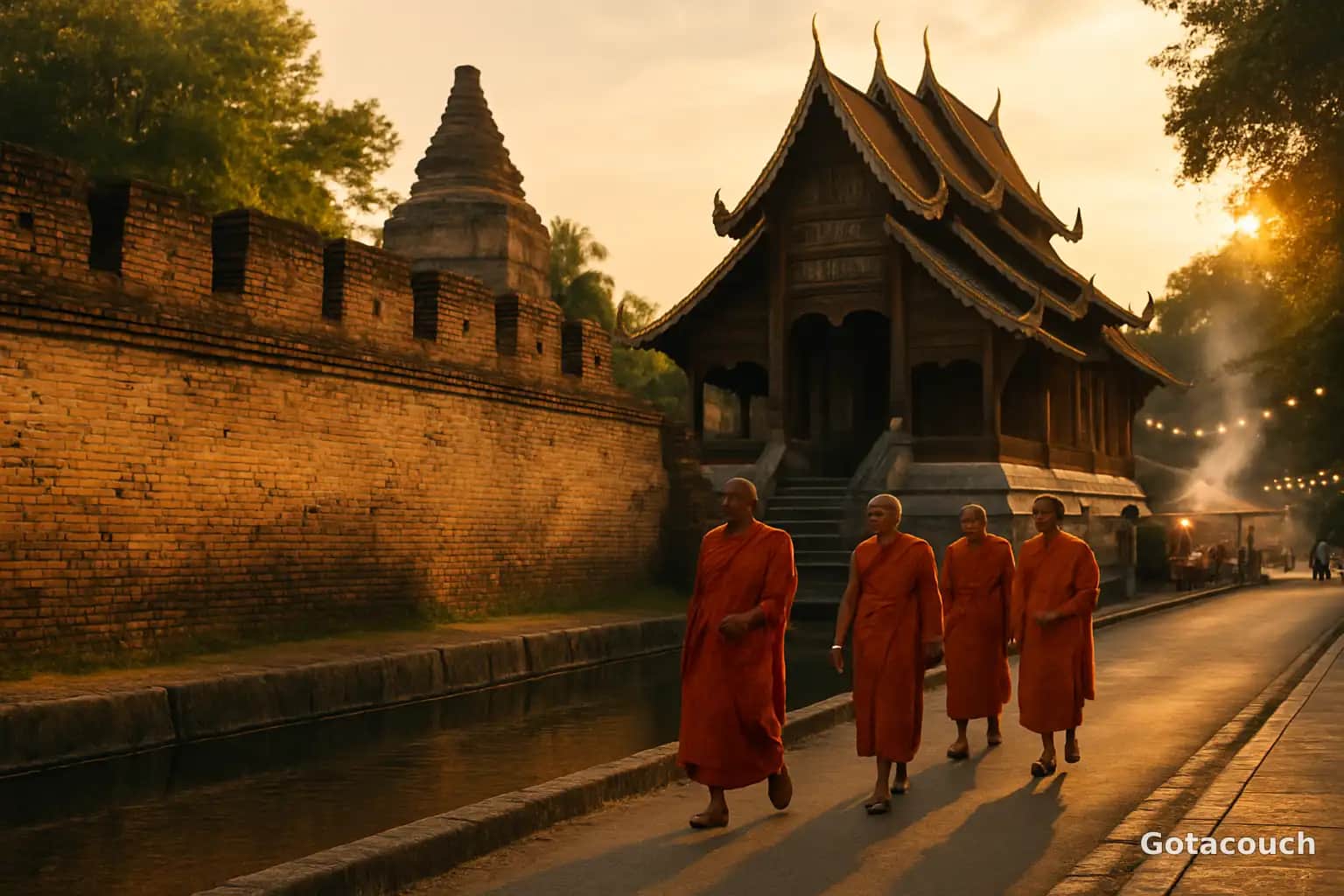
Chiang Mai Within Its Moats: Lanna Heritage, Misty Mountains and the Slow Rhythm of Northern Thailand
October 14, 2026 at 3:17 PM
Cape Town Between Two Oceans: Layers of History, Colour and Cuisine Beneath Table Mountain
October 14, 2026 at 2:57 PM
Buenos Aires Block by Block: Tango Roots, Immigrant Dreams and the Rituals of Porteño Life
October 14, 2026 at 2:48 PM
Budapest, City of Two Souls: How Buda and Pest Became One Danube Capital
October 14, 2026 at 2:32 PM
Comments
Log in to leave a comment.
No comments yet.