Budapest, City of Two Souls: How Buda and Pest Became One Danube Capital
October 14, 2026 at 2:32 PM · GotaNomad
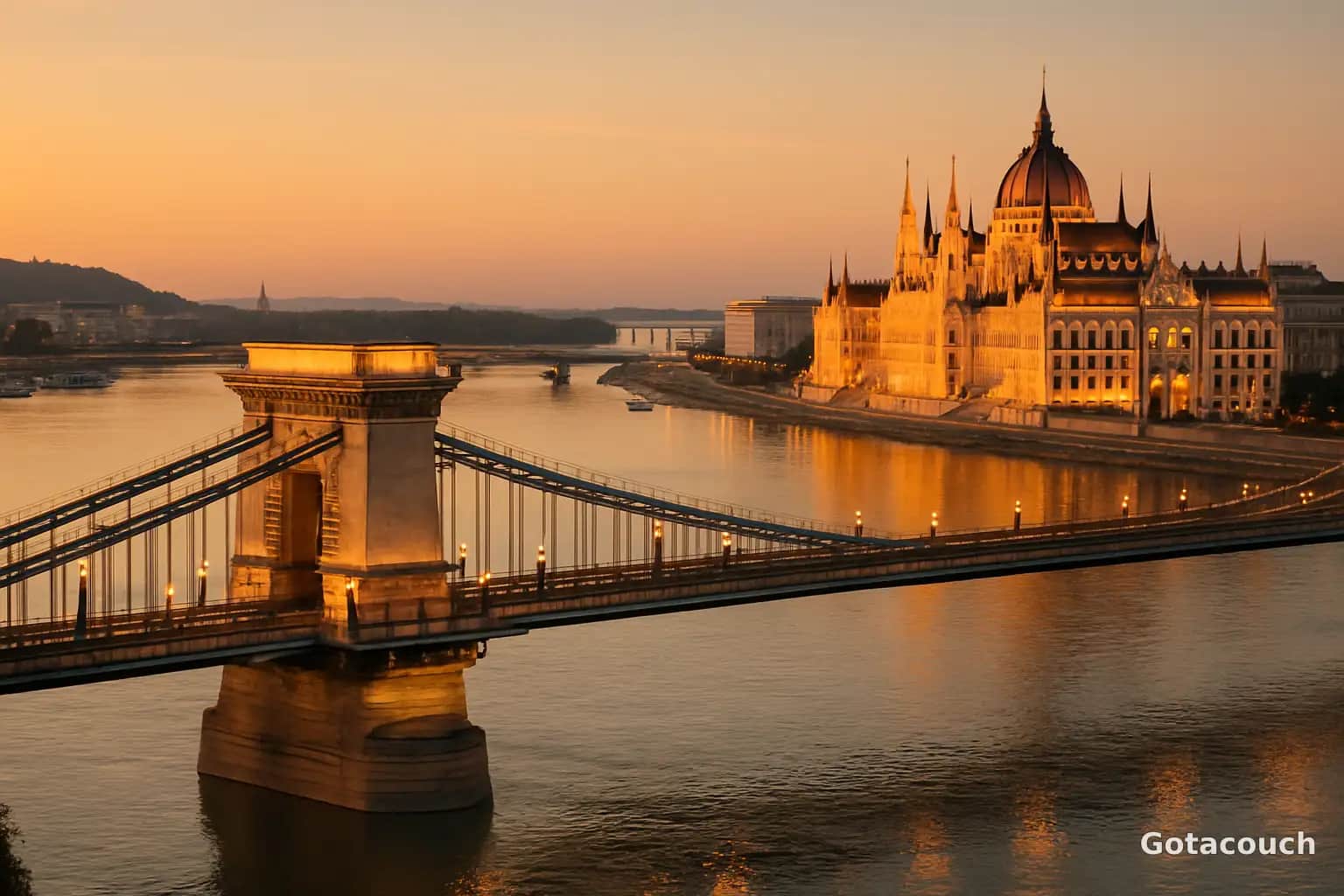
Stand on the Chain Bridge at dusk and you can feel it: Budapest is not one city but two, forever leaning toward each other across the Danube. On the western bank, Buda climbs in green hills and medieval stone. On the eastern side, Pest spreads out flat and busy, full of coffeehouses, markets and wide avenues. It wasn't always a single capital. Only in 1873 did Buda, Óbuda and Pest merge into the city we know today — a union that still shapes how Budapest looks, moves and breathes.
For travelers staying with a local host rather than ticking off a checklist of monuments, this dual identity is exactly what makes Budapest so rewarding to explore slowly: a hillside capital and a riverside capital, stitched together by bridges, trams and a shared, turbulent history.
A capital forged by rivers, empires and unification
Long before it was a single city, this stretch of the Danube saw Romans settle in Óbuda, Ottoman rulers occupy the region for two centuries in the 16th and 17th centuries, and Habsburg architects redesign it into an imperial showcase. The Ottoman legacy is still visible — and soakable — in Budapest's historic thermal baths, a quieter inheritance than the grand palaces, but just as present in daily life.
The city's modern silhouette, however, belongs mostly to the late 19th century, when Budapest rode the wave of the Austro-Hungarian Empire's golden age. The neo-Gothic Parliament building rose on the Pest riverbank, the elegant Andrássy Avenue was laid out toward the city park, and beneath it, engineers built one of continental Europe's earliest metro lines — the M1, now protected as a UNESCO heritage line. Walking or riding it today, with its small tiled stations, feels like stepping into a 19th-century postcard that still works perfectly as public transport.
This entire historic core — the Danube embankments, the Castle District of Buda, and Andrássy Avenue — is inscribed as a UNESCO World Heritage site, recognition of a cityscape where empire, river and hill all had to find a common rhythm.
Buda: hills, castle walls and the view of a lifetime
Buda is where Budapest goes vertical. From Castle Hill, cobbled lanes wind past pastel townhouses up to the Fisherman's Bastion, a fairy-tale terrace of white turrets built more for the view than for defense, and to the Matthias Church, whose colorful roof tiles catch the light over the rooftops of Pest. This is the part of the city where you slow down naturally — not because there's nothing to do, but because every corner invites you to stop and look across the river.
The Castle District can get crowded, especially around the Bastion and the main viewpoints, and it's one of the spots where petty theft is more common in dense tourist crowds. A little vigilance with bags and pockets goes a long way, without ever overshadowing the pleasure of the walk.
Pest: boulevards, synagogue and the pulse of daily life
Cross the Chain Bridge — the first permanent link ever built between Buda and Pest, and still the most romantic way to switch sides — and the city changes register entirely. Pest is flat, dense and lived-in: grand boulevards, the imposing Parliament building, the domed Basilica of Saint Stephen, and the Dohány Street Synagogue, one of the largest synagogues in Europe and a centerpiece of the historic Jewish quarter.
That neighborhood, Erzsébetváros, is also where Budapest's nightlife reinvented itself. Since the 2000s, abandoned buildings and crumbling courtyards have been turned into 'ruin bars' (romkocsmák) — eclectic spaces mixing secondhand furniture, street food stalls and pop-up markets. Szimpla Kert is the most famous of them, a labyrinth of mismatched rooms and garden seating that somehow still feels like a local secret even on a busy night. Nearby, Gozsdu udvar, a early-20th-century trade passage linking two parallel streets, has been reborn as a lively strip of bars and restaurants — proof that Budapest is as good at reinventing its past as it is at preserving it.
Markets, flavors and the real goulash
Hungarian food in Budapest goes well beyond the dish most visitors think they know. Goulash (gulyás) was originally a shepherd's soup, not the thick stew often served abroad — order it here and you'll likely get something lighter, paprika-forward and deeply comforting. Pair that discovery with halászlé, a spicy Danube fish soup, and lángos, deep-fried dough piled with sour cream and cheese, sold at street stalls and markets as the city's favorite indulgent snack.
For a proper introduction to Hungarian pantry staples, head to the Great Market Hall (Nagycsarnok), a 19th-century iron-and-brick building near Liberty Bridge. Stalls overflow with paprika in every shade, cured meats, cheeses and Hungarian foie gras, plus embroidery and folk crafts upstairs. It's touristy, yes, but still the best single place to understand what Hungarians actually cook and eat at home.
No Hungarian table is complete without Tokaji wine. It doesn't come from Budapest itself — it's produced in the Tokaj-Hegyalja region in the northeast of the country, a UNESCO-listed wine area — but it's poured generously in the capital's restaurants and wine bars, a reminder that Budapest is also a gateway to the rest of Hungary.
Budapest doesn't ask you to choose between its imperial past and its improvised present — ruin bars sit two streets from baroque synagogues, and both belong equally to the city's identity.
Beyond the city: the Danube Bend and Lake Balaton
Budapest is also an excellent base for day trips. North of the city, the Danube Bend (Dunakanyar) groups three classic stops — Szentendre, a baroque village turned artists' colony; Visegrád, with its medieval hilltop fortress overlooking a dramatic curve in the river; and Esztergom, home to Hungary's largest basilica and once the country's ecclesiastical capital. All three are reachable by train, bus or riverboat, making for an easy half-day or full-day escape.
Lake Balaton, the largest lake in Central Europe, is farther away and better suited to a two-day minimum trip given the round-trip travel time. It's less a quick excursion than a genuine change of pace — worth planning if your stay in Budapest stretches beyond a few days.
Getting around: trams, metro and the Danube itself
Budapest's public transport network — metro lines M1 to M4, trams, buses and trolleybuses — is run by BKK and is refreshingly easy to use once you understand the ticket system. Tram line 2, which runs along the Pest riverbank, is practically a sightseeing tour in itself, gliding past the Parliament and the bridges with Buda's skyline on the opposite shore.
A few practical notes make all the difference:
- Always validate or stamp your ticket when boarding; inspections are frequent and fines are issued on the spot for invalid tickets.
- Check current fares for single tickets, day passes and tourist passes on BKK's official website before you arrive, since prices and options can change.
- Carry some Hungarian forint (HUF) in cash — Hungary is not in the eurozone — as some smaller vendors and market stalls don't accept cards.
- In central nightlife areas, double-check bills before paying, as inflated charges or undisclosed minimum consumption are an occasional issue in a handful of bars and clubs.
When to go
Budapest has a continental climate: cold winters and hot, sometimes stormy summers. Spring (April–May) and early autumn (September–October) offer the best balance of mild temperatures and smaller crowds, ideal for long walks between Buda and Pest. Summer, especially July and August, is peak season, drawing large crowds and hosting the Sziget Festival, one of Europe's major music events. Winter has its own charm too, with the Christmas markets on Vörösmarty Square and around Saint Stephen's Basilica ranking among the city's most beloved seasonal traditions.
Before you go
Hungary is part of the Schengen area, so EU and Swiss citizens can travel with just an ID card or passport, no visa required; travelers from other countries should check Schengen entry requirements for their nationality in advance. Budapest is generally a safe city for visitors, with low rates of violent crime, though it pays to stay alert to pickpocketing in crowded tourist spots like the Castle District, the Great Market Hall and packed trams or metro cars.
Beyond the logistics, what stays with most travelers is the city's rhythm: a morning soak followed by a market stroll, an afternoon on Castle Hill, an evening crossing the Chain Bridge as the Parliament lights up gold on the water. Staying with a local host here means more than a bed — it means someone who can tell you which ruin bar actually has good live music this week, or which bakery sells the best lángos in their own neighborhood. In a city built from two halves, that kind of local insight is often what finally makes Budapest feel whole.
Articles to discover
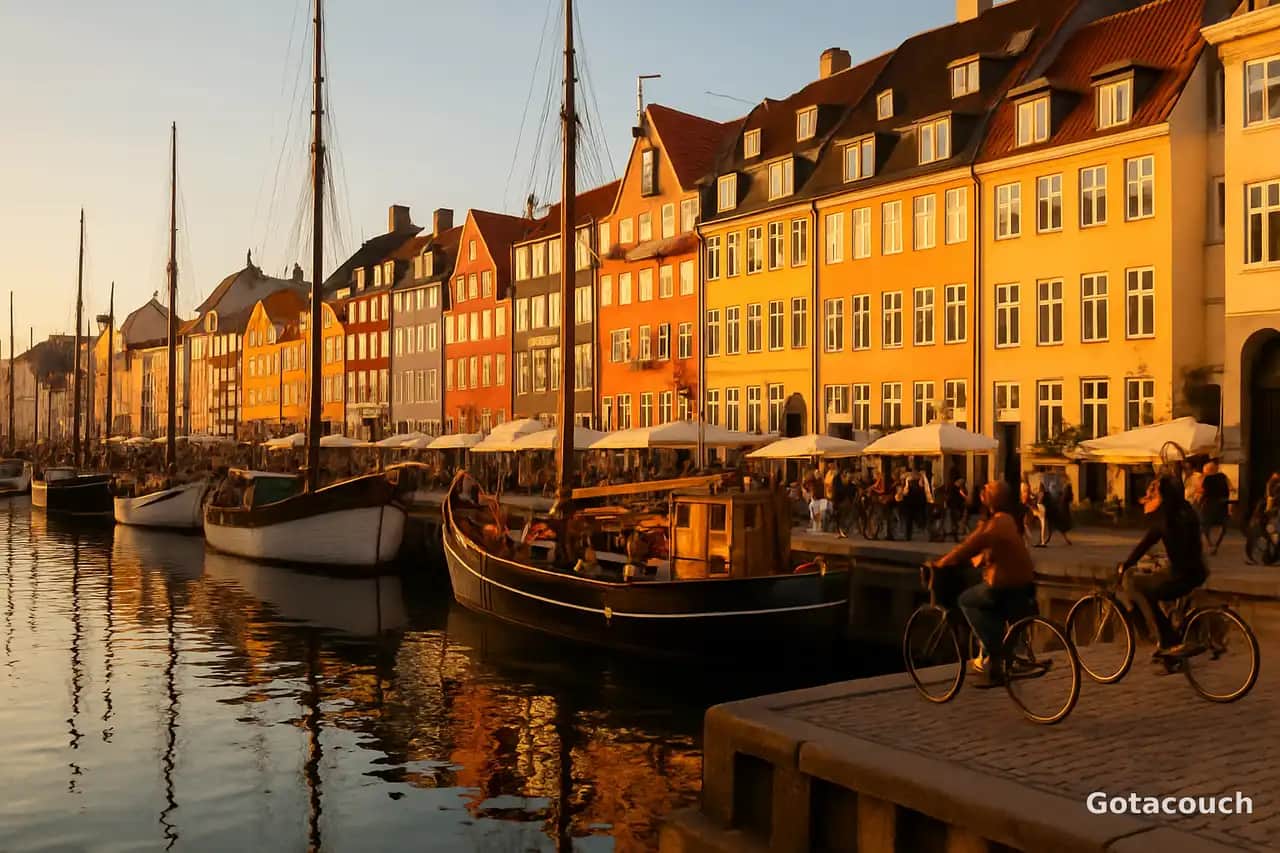
Copenhagen on Two Wheels: Canals, Hygge and the New Nordic Spirit of Denmark's Capital
October 15, 2026 at 11:18 AM
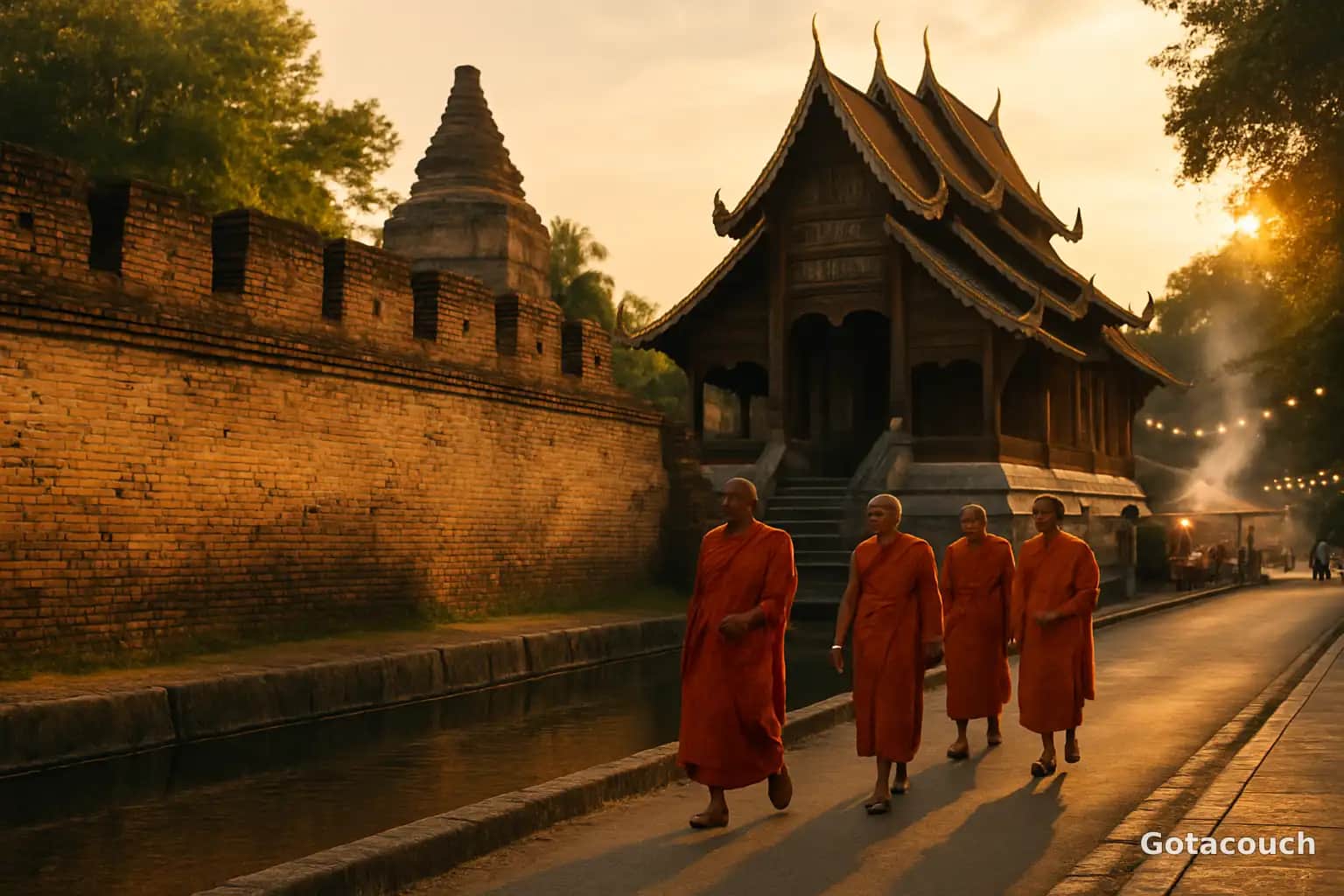
Chiang Mai Within Its Moats: Lanna Heritage, Misty Mountains and the Slow Rhythm of Northern Thailand
October 14, 2026 at 3:17 PM
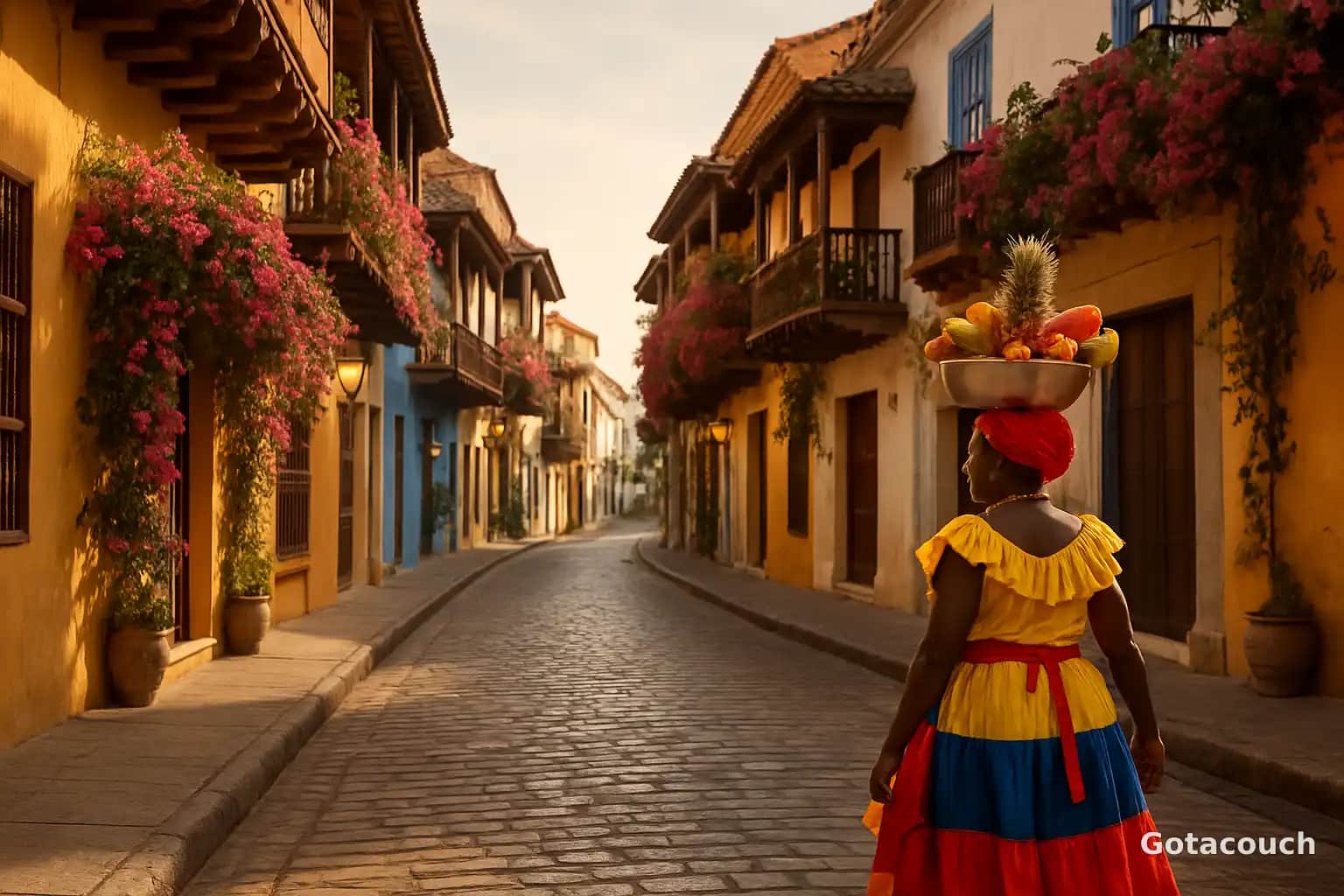
Cartagena de Indias: Walls Built Against Pirates, a Heart Beating to Afro-Caribbean Rhythm
October 14, 2026 at 3:07 PM
Cape Town Between Two Oceans: Layers of History, Colour and Cuisine Beneath Table Mountain
October 14, 2026 at 2:57 PM
Buenos Aires Block by Block: Tango Roots, Immigrant Dreams and the Rituals of Porteño Life
October 14, 2026 at 2:48 PM
Bogotá at 2,600 Meters: Colonial Alleys, Golden Legends and the High-Altitude Soul of Colombia's Capital
October 14, 2026 at 2:28 PM
Comments
Log in to leave a comment.
No comments yet.