Buenos Aires Block by Block: Tango Roots, Immigrant Dreams and the Rituals of Porteño Life
October 14, 2026 at 2:48 PM · GotaNomad
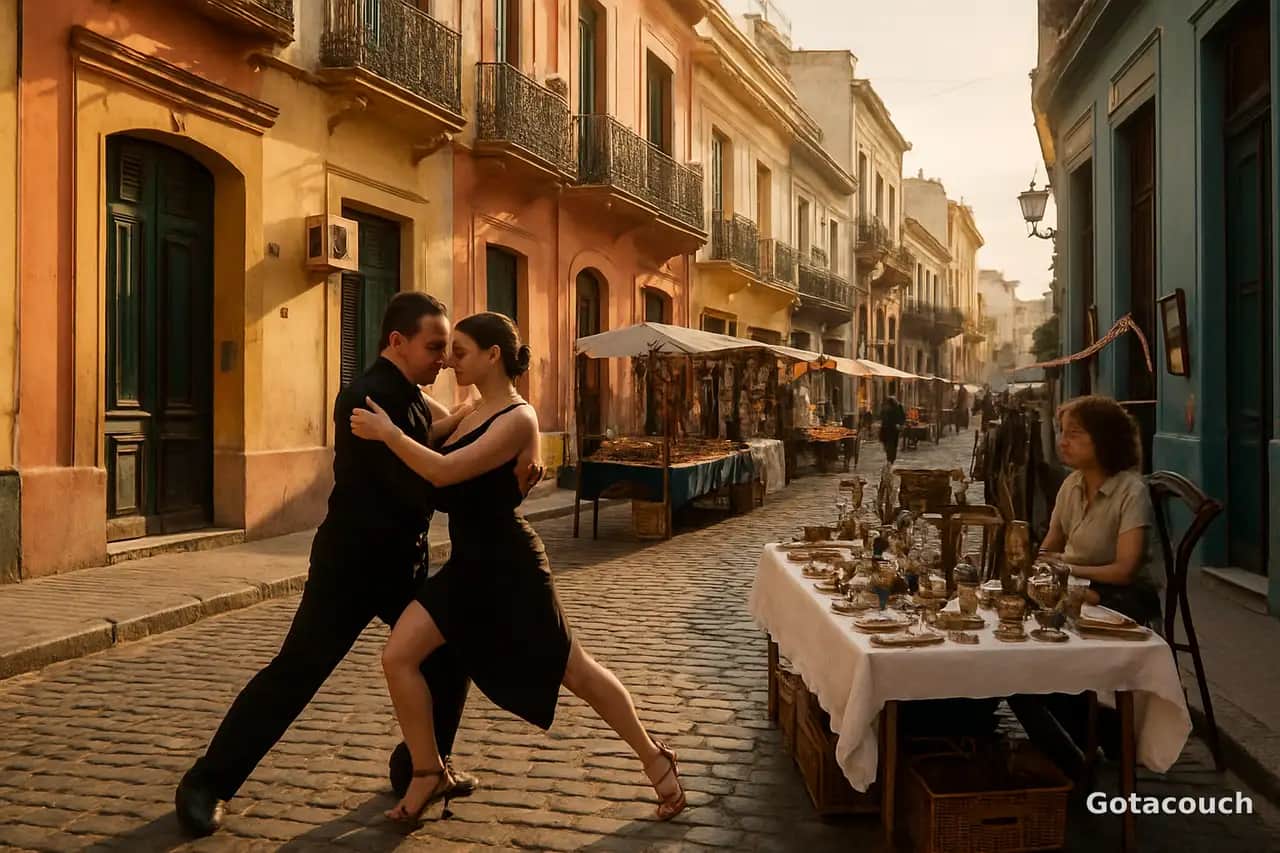
Buenos Aires does not reveal itself all at once. It takes a Sunday stroll through San Telmo's antique stalls, a late-night milonga in a neighborhood hall, or simply a shared mate on a park bench to understand why Argentines call this city el fin del mundo with such affection. Founded twice on the banks of the Río de la Plata — a first failed attempt in 1536, then permanently in 1580 — Buenos Aires grew into a city of grand boulevards, European facades and deeply local rhythms, where history is less something you visit than something you keep bumping into on your way to dinner.
A City Built Twice, Shaped by Waves of Immigration
The historic center still follows the checkerboard grid laid out by Spanish colonizers, a plan you can trace block after block downtown. At its heart lies Plaza de Mayo, the political epicenter of the country since independence in 1816, flanked by the Casa Rosada — seat of the executive power — the colonial Cabildo and the Metropolitan Cathedral. But it was the massive wave of European immigration, mostly Italian and Spanish, arriving at the turn of the twentieth century, that truly reshaped the city's soul. Accents, recipes, architecture and even the Spanish spoken here all carry that imprint, giving Buenos Aires its particular blend of Latin American energy and Old World elegance.
Few buildings capture that golden era like the Teatro Colón, inaugurated in the early twentieth century and still regarded as one of the finest opera houses in the world. Walking past its columns, it's easy to imagine the economic confidence Argentina once radiated — a confidence still visible in the ornate apartment blocks lining avenues like Avenida de Mayo.
Neighborhood by Neighborhood: The Many Faces of Buenos Aires
Buenos Aires is less a single destination than a collection of villages, each with its own tempo. San Telmo, the oldest colonial quarter, charms visitors with cobblestone streets, historic bars and the famous Sunday antiques market along Calle Defensa, where tango dancers often perform right on the pavement around Plaza Dorrego. Nearby, the covered Mercado de San Telmo, dating from the late nineteenth century, mixes food stalls and tapas bars under an iron-and-glass roof that feels frozen in time.
Across town, La Boca is instantly recognizable thanks to the corrugated-metal houses of Caminito, painted in bold colors and tied to the legendary Boca Juniors football club. It's a must-see, but visitors should stick to the clearly marked tourist perimeter, since the surrounding streets aren't considered safe for independent exploration.
For a more contemplative mood, the Recoleta Cemetery holds monumental nineteenth-century mausoleums, including that of Eva Perón, and remains one of the city's most striking open-air museums. Meanwhile, Palermo — split into the trendy Palermo Soho and Palermo Hollywood — buzzes with independent boutiques, design studios, restaurants and nightlife around leafy squares like Plaza Serrano. A short walk away, Villa Crespo, a former textile and Jewish quarter, has reinvented itself as a creative hub of designer workshops and neighborhood bars, while Chacarita pairs a lesser-known monumental cemetery with an emerging scene of galleries and art spaces. For tango in its most authentic form, head to Almagro and Boedo, historic cradles of the genre where milongas are still filled with locals rather than tour groups.
Tango: A Living Heritage, Not Just a Show
Tango was born in the popular neighborhoods along the Río de la Plata, shared between Buenos Aires and Montevideo, in the late nineteenth century — a music and dance born of immigrant longing and working-class nightlife. In 2009, UNESCO inscribed tango on its list of Intangible Cultural Heritage, formally recognizing what Porteños had always known: this is a living culture, not a museum piece. Milongas, the traditional tango dance halls, remain a genuinely vibrant practice today, held in historic salons as well as contemporary venues. Travelers seeking an authentic experience are often better served choosing a neighborhood milonga over a polished tourist spectacle — the steps may be less rehearsed, but the atmosphere is unmistakably real.
Asado, Mate and the Art of Sharing a Table
Argentine food culture centers on sharing. The asado, a slow-grilled beef feast prepared in parrillas across the city, is practically a national ritual, bringing friends and families together over hours rather than a quick meal. Equally central is mate, the bitter herbal infusion passed from hand to hand in parks like the Bosques de Palermo or Parque Centenario — a daily social habit that says as much about Argentine friendliness as any landmark could. Street food and bakeries add their own highlights: empanadas stuffed with meat, cheese or vegetables, flaky facturas for breakfast, and dulce de leche folded into practically every dessert in sight.
Beyond the City: Easy Escapes Worth the Detour
Buenos Aires also makes an excellent base for day trips. About an hour north, Tigre and the Paraná Delta offer boat rides through a maze of waterways and a lively artisanal market. Two hours away, San Antonio de Areco preserves gaucho traditions, with working estancias and skilled leather and silver artisans. History lovers might prefer La Plata, the provincial capital with its neo-Gothic cathedral and natural history museum, or the pilgrimage town of Luján with its own neo-Gothic basilica. And just across the Río de la Plata by ferry lies Colonia del Sacramento in Uruguay, a UNESCO-listed colonial town that pairs beautifully with an overnight stay to break up the journey.
When to Go and How Long to Stay
Since Buenos Aires sits in the southern hemisphere, its seasons run opposite to Europe and North America. Spring (September to November) and autumn (March to May) bring the mildest, most pleasant temperatures, ideal for long walks and outdoor excursions. Summer (December to February) turns hot and humid, while winter (June to August) is cooler and rainier. Most travelers find that three to four days are enough to get a real feel for the city itself, while five to seven days allow time for excursions to Tigre, San Antonio de Areco or even an overnight hop to Colonia del Sacramento.
Practical Tips for a Smooth Stay
- Get a SUBE card as soon as possible — it's required for buses, the subte (metro) and suburban trains, since cash generally isn't accepted on board.
- Check current exchange rates and cost of living shortly before departure, as Argentina's economy and the gap between official and parallel exchange rates can shift quickly.
- Confirm visa requirements and allowed length of stay with the relevant consulate or foreign affairs ministry before booking, since conditions vary by nationality and can change.
- In La Boca, stay within the signposted tourist area around Caminito and avoid wandering into adjacent streets alone.
- As in any large city, keep an eye on valuables, avoid certain areas at night, and prefer official taxis or ride-hailing apps over hailing cabs on the street in unfamiliar zones.
- For a more local experience, seek out a neighborhood feria in a residential barrio rather than only the central tourist markets.
Buenos Aires rewards those who slow down enough to notice its details — a tango step glimpsed through a bar window, the smell of grilled beef drifting from a corner parrilla, a mate offered by a stranger in the park. It's a city built on waves of arrival, and it still welcomes newcomers with the same open, unhurried curiosity that shaped it from the start.
Articles to discover
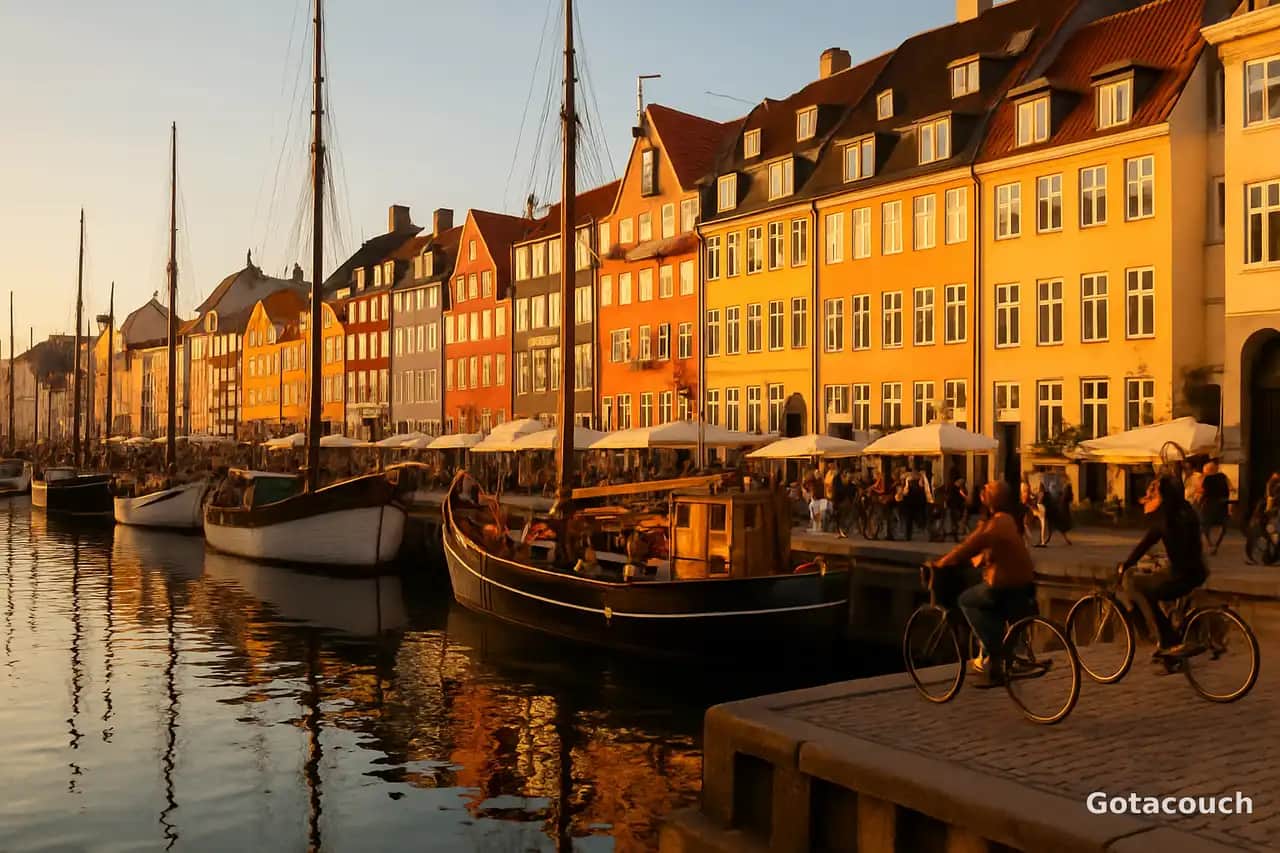
Copenhagen on Two Wheels: Canals, Hygge and the New Nordic Spirit of Denmark's Capital
October 15, 2026 at 11:18 AM
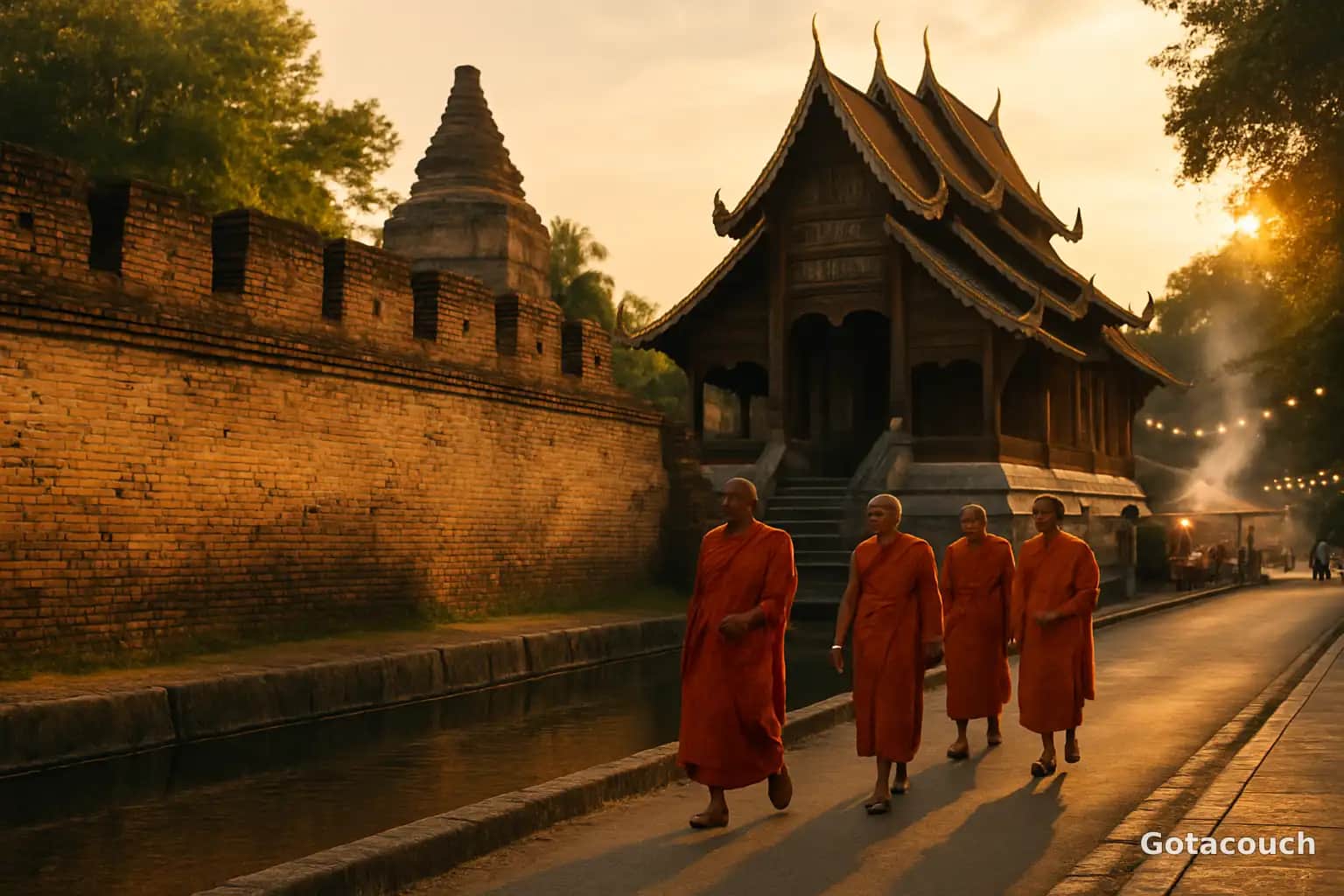
Chiang Mai Within Its Moats: Lanna Heritage, Misty Mountains and the Slow Rhythm of Northern Thailand
October 14, 2026 at 3:17 PM
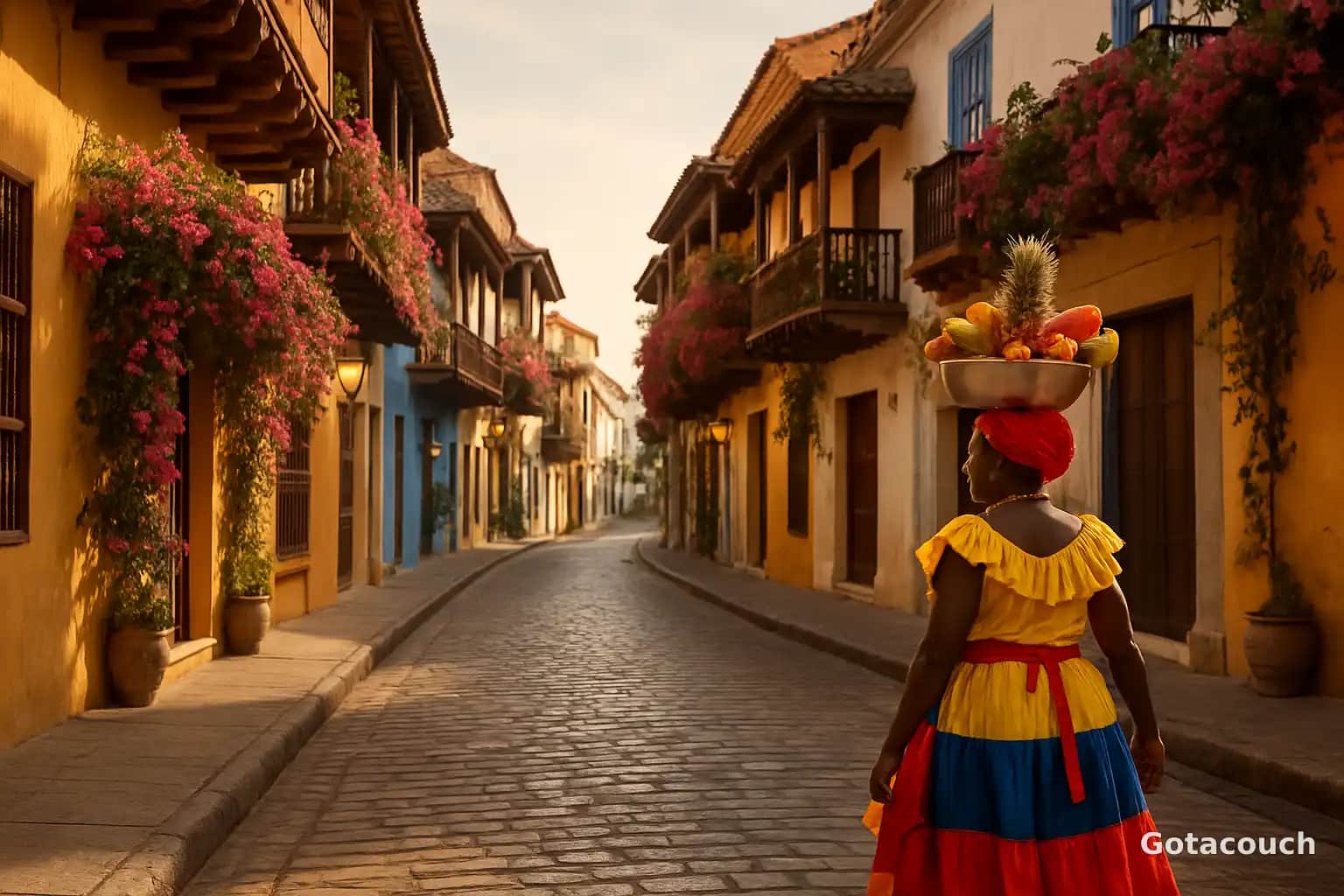
Cartagena de Indias: Walls Built Against Pirates, a Heart Beating to Afro-Caribbean Rhythm
October 14, 2026 at 3:07 PM
Cape Town Between Two Oceans: Layers of History, Colour and Cuisine Beneath Table Mountain
October 14, 2026 at 2:57 PM
Budapest, City of Two Souls: How Buda and Pest Became One Danube Capital
October 14, 2026 at 2:32 PM
Bogotá at 2,600 Meters: Colonial Alleys, Golden Legends and the High-Altitude Soul of Colombia's Capital
October 14, 2026 at 2:28 PM
Comments
Log in to leave a comment.
No comments yet.