Bogotá at 2,600 Meters: Colonial Alleys, Golden Legends and the High-Altitude Soul of Colombia's Capital
October 14, 2026 at 2:28 PM · GotaNomad
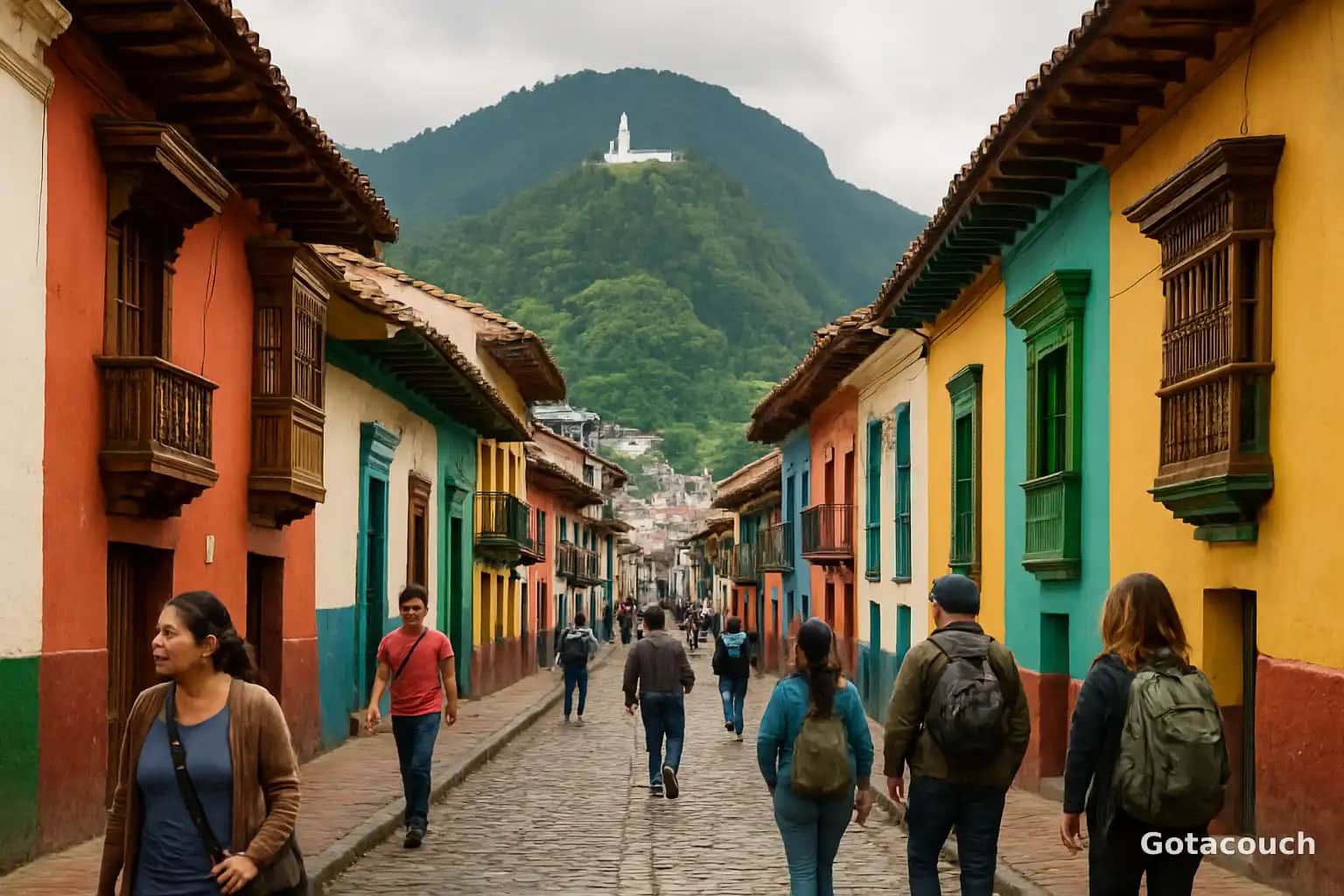
Perched nearly 2,600 meters above sea level, Bogotá greets visitors with thin mountain air, a permanent spring-like chill, and a skyline where colonial church towers compete with glass office blocks and the green wall of the Andes. It's a city that rarely makes the postcard shortlist the way Cartagena or Medellín do, yet spend a few days wandering its sloped streets and you'll understand why so many travelers leave calling it the real discovery of their Colombian trip. This is a capital built on layers — Muisca legend, Spanish conquest, republican ambition, and a restless contemporary creativity — and the best way to understand it is neighborhood by neighborhood, plate by plate.
A City Built on Legend and Conquest
Long before Bogotá existed, this high plateau was Bacatá, a center of the Muisca people, whose goldwork and cosmology still echo through the region's folklore — including the legend of El Dorado. In 1538, Spanish conquistador Gonzalo Jiménez de Quesada founded the city atop this Muisca settlement, and it quickly rose to become capital of the Viceroyalty of New Granada. After independence in 1819, Bogotá assumed its role as capital of the Republic of Colombia, a status that shaped its architecture, its institutions, and its enduring identity as the country's political and intellectual heart.
That history is most tangible in La Candelaria, the historic colonial quarter of cobblestone streets, wooden balconies, and pastel façades. It's the natural starting point for any visit — home to free walking tours (tip-based, with providers that shift over time, so ask your host or hostel for the current recommendation), and to two of the city's essential museums: the Museo del Oro, with its staggering collection of pre-Columbian goldwork that brings the El Dorado legend to life, and the Museo Botero, filled with voluptuous canvases and sculptures donated by Fernando Botero himself.
Plaza de Bolívar and the Civic Heart
A few blocks from the museums, Plaza de Bolívar anchors the city both geographically and symbolically. Surrounded by the Primatial Cathedral, the National Capitol, and the Liévano Palace that houses the mayor's office, this is where Bogotá's political life has played out for centuries. Nearby, the Church and Convent of San Francisco ranks among the oldest religious buildings in the city, a quiet counterpoint to the plaza's bustle of vendors, pigeons, and office workers on their lunch break.
From Chapinero's Cafés to Egipto's Murals
Move north and the city's mood shifts entirely. Chapinero, especially its upper reaches known as Chapinero Alto, is Bogotá's creative engine: third-wave coffee shops, inventive restaurants, and a nightlife scene concentrated in the area nicknamed "Chapigay," one of Latin America's more visible LGBTQ+-friendly districts. It's a neighborhood that rewards aimless wandering, where a single block can take you from a minimalist espresso bar to a decades-old panadería.
East of La Candelaria, the hillside neighborhood of Egipto tells a different kind of story. Once overlooked, it's now known for street art tours led by local residents themselves — a genuine example of community-based, responsible tourism that lets visitors support the neighborhood directly while hearing its history from the people who live it. Further north, Usaquén, a former colonial village long since absorbed into greater Bogotá, keeps its own village square and hosts a lively weekend flea market of antiques, handicrafts, and street food (days and hours are worth reconfirming locally, as they can shift).
Markets, Soups, and the Flavors of the Sabana
No understanding of Bogotá is complete without its food, and the place to start isn't a restaurant but a market. Plaza de Mercado de Paloquemao, frequented mostly by locals, overflows with exotic fruit most travelers have never tasted — lulo, pitaya, uchuva, maracuyá — alongside flower stalls and fresh juice stands that make for an unforgettable, low-cost morning.
On the plate, Bogotá's signature dish is ajiaco santafereño, a hearty chicken soup made with three varieties of potato and the herb guasca, finished with cream, capers, and avocado — practically a culinary coat against the city's cool air. Mornings often begin with changua, a comforting milk-and-egg soup, or a cup of chocolate santafereño, hot chocolate served with a piece of cheese meant to be melted right into the cup. For something more ancestral, keep an eye out for chicha, a fermented corn beverage with indigenous roots, traditionally poured during popular festivals.
Above the City: Monserrate and Beyond
For the view that puts it all in perspective, head to Cerro de Monserrate, the sanctuary-topped mountain overlooking downtown, reachable by cable car or funicular. It's both a pilgrimage site and the city's favorite lookout point, especially at sunset when the sprawl of rooftops fades into the cordillera.
Day Trips Into the Sabana
Bogotá's surroundings reward a few extra days. The underground Salt Cathedral of Zipaquirá, about 50 km north, makes for a striking half-day or full-day excursion by bus or, on certain weekends, tourist train. Further out, the Laguna de Guatavita, some 75 km from the city, is the sacred Muisca lagoon tied directly to the El Dorado legend, reachable on a half-day hike. More ambitious travelers should consider Villa de Leyva, a colonial village roughly 160 km away (3-4 hours by road) built around one of Colombia's largest cobblestone plazas — it genuinely deserves an overnight stay rather than a rushed round trip. Nature lovers can also look into Chingaza Natural Park, home to páramo ecosystems east of the city, though access is often regulated and should be checked with park authorities before setting out.
When to Go and How to Get Around
Thanks to its altitude, Bogotá enjoys a remarkably stable, temperate climate year-round, though the country overall sees drier stretches from December to March and July to August, versus wetter months in April-May and October-November. Those drier windows tend to suit outdoor excursions to Guatavita or Chingaza best — though it's always worth checking a near-term forecast rather than relying on general trends. Getting around the city itself is straightforward using Transmilenio, the high-capacity bus system, the complementary SITP network, or even TransMiCable, an urban cable car connecting some of the city's hillside neighborhoods.
Practical Notes for a Smooth Stay
- Use ride-hailing apps like Cabify or Uber rather than hailing taxis on the street.
- Stay alert in crowded transit and avoid displaying valuables, particularly in parts of downtown and the south after dark.
- French travelers typically benefit from visa-free entry for short tourist stays — but always confirm current requirements with your embassy or consulate before departing.
- Prices for dining and lodging are generally lower than in Western Europe, making it easy to eat and stay well without stretching a budget.
- To properly combine the city with at least two nearby excursions, plan for 5 to 7 days total, dedicating 2 to 3 of them to the surrounding Sabana.
Bogotá isn't a city that reveals itself from a bus window; it asks to be walked, tasted, and talked through with the people who call it home — a host pouring chocolate santafereño, a muralist in Egipto explaining a wall's backstory, a vendor at Paloquemao handing over a slice of lulo you've never tried. Stay with a local, and the city's many layers — Muisca, colonial, republican, and defiantly modern — start to make sense all at once.
Articles to discover
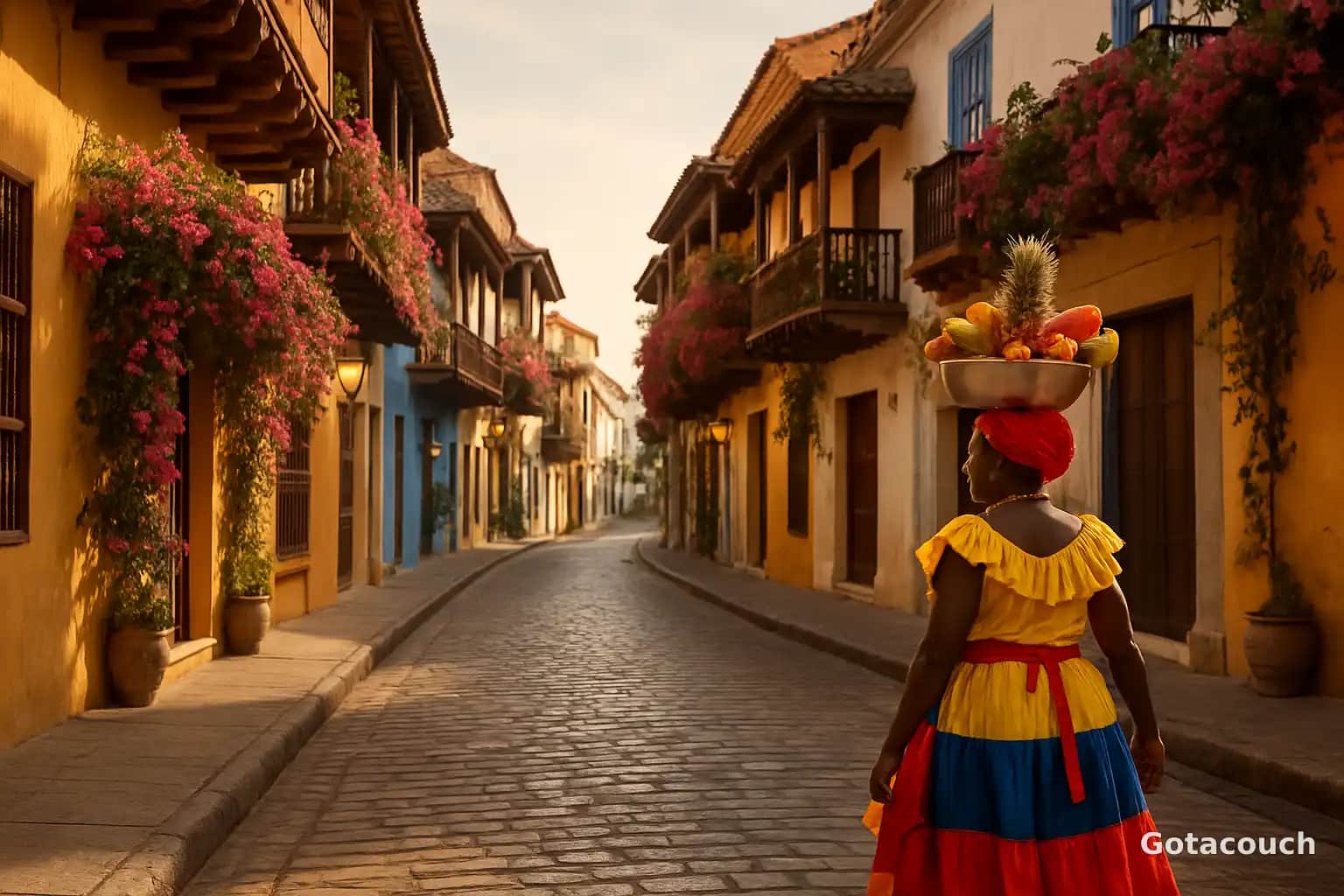
Cartagena de Indias: Walls Built Against Pirates, a Heart Beating to Afro-Caribbean Rhythm
October 14, 2026 at 3:07 PM
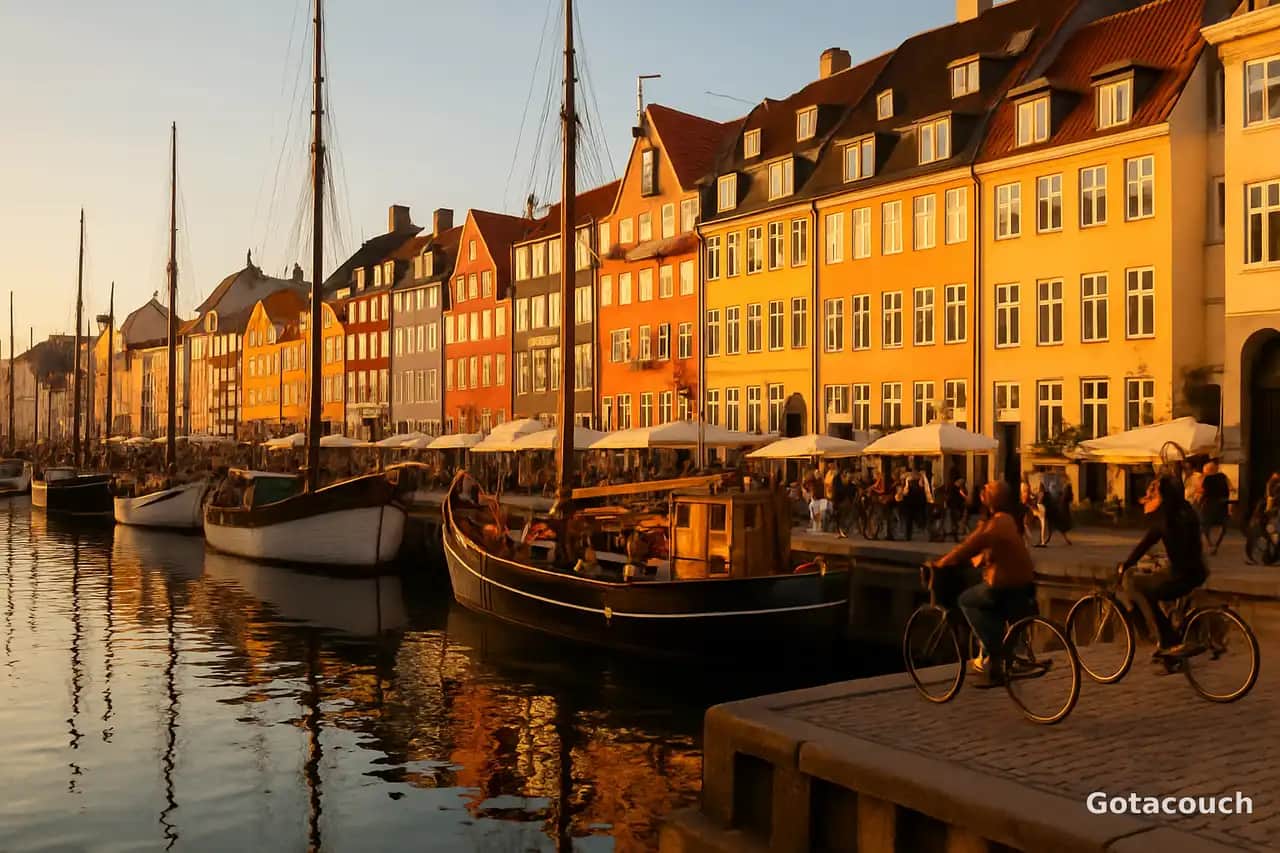
Copenhagen on Two Wheels: Canals, Hygge and the New Nordic Spirit of Denmark's Capital
October 15, 2026 at 11:18 AM
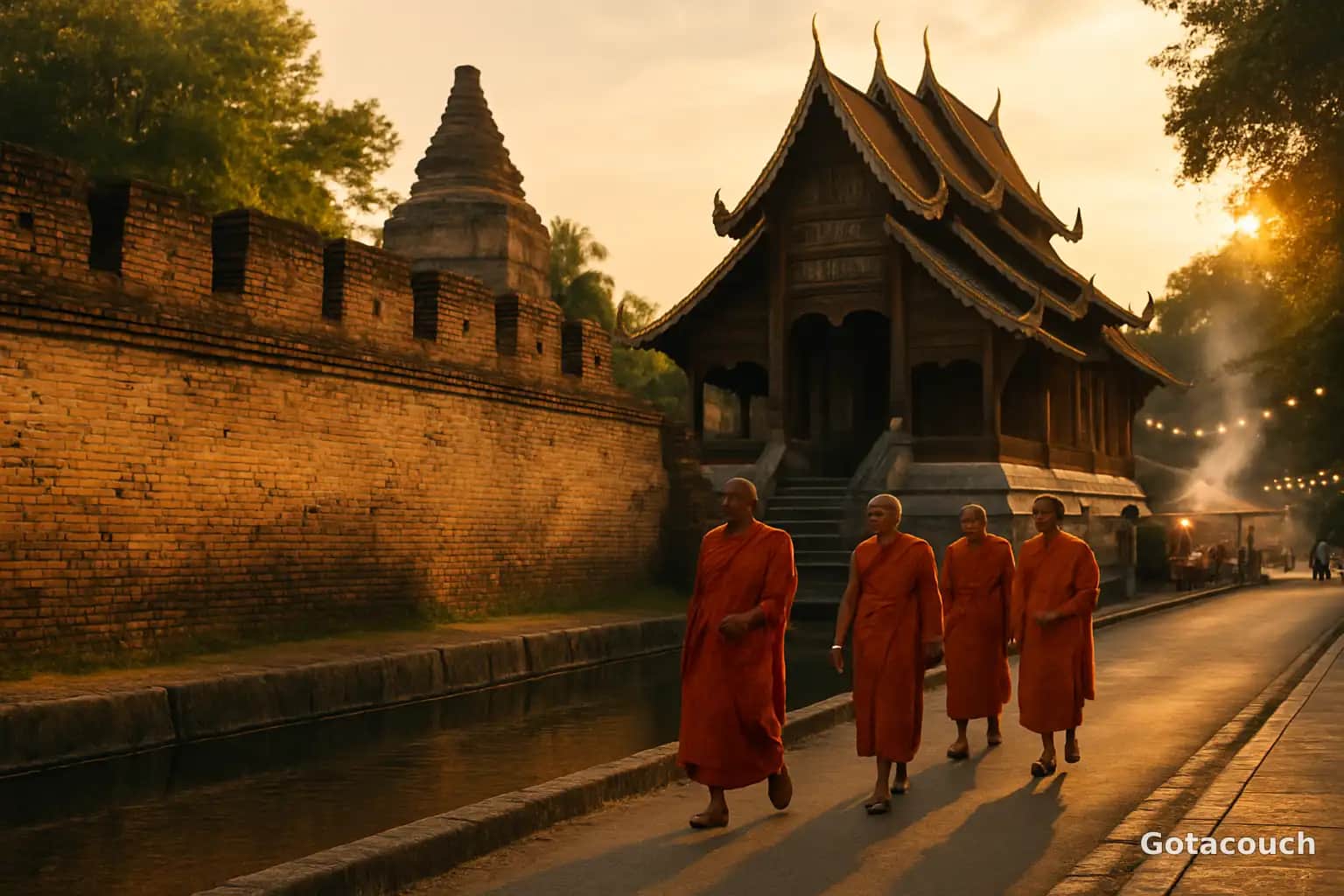
Chiang Mai Within Its Moats: Lanna Heritage, Misty Mountains and the Slow Rhythm of Northern Thailand
October 14, 2026 at 3:17 PM
Cape Town Between Two Oceans: Layers of History, Colour and Cuisine Beneath Table Mountain
October 14, 2026 at 2:57 PM
Buenos Aires Block by Block: Tango Roots, Immigrant Dreams and the Rituals of Porteño Life
October 14, 2026 at 2:48 PM
Budapest, City of Two Souls: How Buda and Pest Became One Danube Capital
October 14, 2026 at 2:32 PM
Comments
Log in to leave a comment.
No comments yet.