Cape Town Between Two Oceans: Layers of History, Colour and Cuisine Beneath Table Mountain
October 14, 2026 at 2:57 PM · GotaNomad
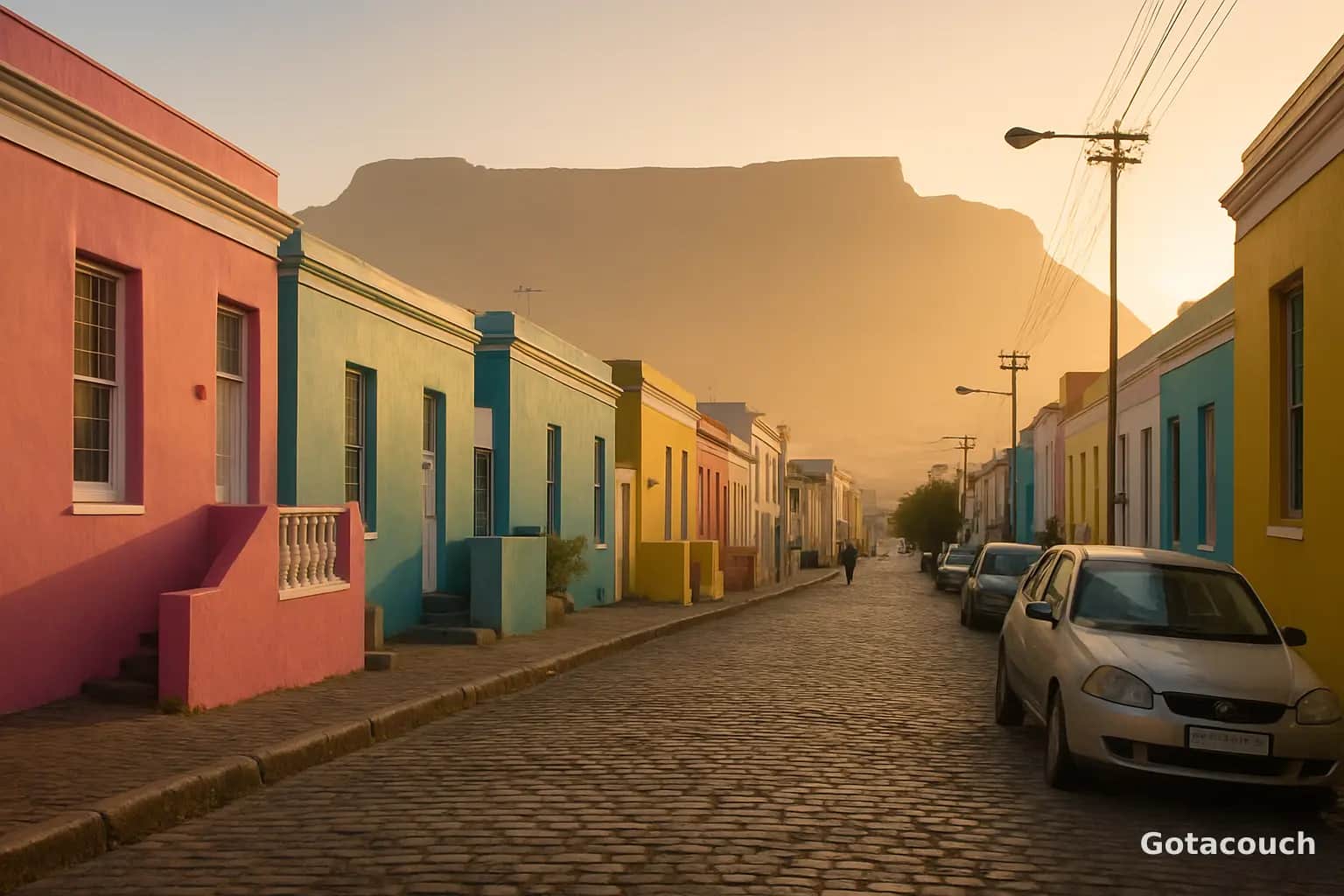
Few cities announce themselves as dramatically as Cape Town. A flat-topped mountain rises straight out of the Atlantic, two oceans meet nearby, and centuries of colonial ambition, forced removals and quiet resilience have left their mark on every street corner. This is not a city of a single story but of many, layered one on top of another like the sandstone bands of Table Mountain itself. To understand it, you have to walk its neighborhoods, taste its food and listen to the people who call it home.
A Port City Forged by Empires
Cape Town's modern story begins in 1652, when the Dutch East India Company established a refreshment station here under Jan van Riebeeck, intended simply as a stopover for ships rounding the Cape on the spice route. That outpost grew into a settlement, and by the turn of the 19th century it had passed into British hands. The result is a city center where Dutch gables sit alongside Victorian facades, a double colonial inheritance still visible in the architecture of the City Bowl today.
The Castle of Good Hope, built by the Dutch in the 17th century, remains the oldest colonial structure still in use in South Africa, a pentagonal fortress that once guarded the harbor and now anchors visitors to the city's earliest chapter.
Neighborhoods That Carry Memory
No part of Cape Town speaks louder about its 20th-century history than District Six. Once a vibrant, multiracial inner-city neighborhood, it was bulldozed in the 1960s and 1970s under apartheid, its residents forcibly relocated to the distant Cape Flats. The District Six Museum preserves what was lost, through photographs, street signs and the testimonies of former residents, and it stands as essential viewing for anyone wanting to understand the human cost behind South Africa's history.
A short walk away, the cobbled lanes of Bo-Kaap tell a different, equally vital story. This is the historic heart of the Cape Malay community, descendants of enslaved people and political exiles brought by the Dutch East India Company from the 17th century onward. Its brightly painted houses are more than a photo opportunity: they surround the Auwal Mosque, considered the oldest mosque in South Africa, and the neighborhood remains a living, practicing community rather than a museum piece.
Offshore, Robben Island adds another layer still. Reachable by boat from the V&A Waterfront, this UNESCO-listed island held Nelson Mandela for much of his 27 years of imprisonment. Tours are often led by former political prisoners themselves, turning a visit into one of the most moving encounters Cape Town has to offer.
Beyond the City Bowl: Mountains, Wine and Whales
Cape Town's drama doesn't stop at its edges. The Cape Peninsula stretches south through the winding cliffs of Chapman's Peak Drive toward Cape Point and the Cape of Good Hope, with a detour to Boulders Beach in Simon's Town, home to a beloved colony of African penguins. Table Mountain itself, protected within its own national park, dominates every view and rewards those who climb or cable-car to its summit with a sense of why locals treat the mountain almost as a member of the family.
Inland, the Winelands around Stellenbosch, Franschhoek and Paarl sit just 45 to 60 minutes from the city, offering tastings against a backdrop of folded mountains and oak-lined estates. Further along the coast, roughly an hour and a half away, Hermanus is one of the world's great land-based whale-watching spots, with southern right whales typically present from June to November and numbers peaking around August to October.
Flavors Shaped by Trade Winds
Cape Town's food scene is a direct descendant of its history. Cape Malay cuisine, born from the spices and techniques brought by Malay and Indonesian communities, remains the city's signature: fragrant bobotie, sweet-spiced koesisters and gently curried dishes that balance heat with sweetness. As a coastal city, seafood is central too, with Cape rock lobster and smoked snoek regular features on local tables.
Markets are where this culinary identity comes alive. On Saturday mornings, the Old Biscuit Mill in Woodstock hosts the Neighbourgoods Market, a buzzing showcase of street food and artisanal producers, while the Oranjezicht City Farm Market near the V&A Waterfront highlights regional farmers. And if you're here on September 24th, you'll witness Heritage Day transform, almost nationwide, into what South Africans affectionately call National Braai Day, when the shared ritual of the barbecue brings every community to the same table.
When to Go
Cape Town flips the seasons familiar to European travelers: summer (November to March) is dry, sunny and often windy, especially in January, while winter (June to August) brings most of the rain. Many seasoned visitors point to September through November as the sweet spot, combining good weather, wildflower blooms and the tail end of the whale season, with noticeably fewer crowds than the December-to-February peak, when prices and visitor numbers both climb.
Practical Tips for Travelers
- French nationals traditionally don't need a visa for short tourist stays, but exact conditions change, so always check official sources before booking.
- The MyCiTi bus network, using a rechargeable myconnect card, reliably connects the city center, the Waterfront and the airport.
- Shared minibus taxis are widely used by locals but not recommended for visitors unfamiliar with the system; Uber and Bolt are the safer, recommended options, especially after dark.
- The City Bowl, V&A Waterfront and Camps Bay are generally considered safer areas day and night, though ordinary caution still applies everywhere.
- Townships such as Khayelitsha should only be visited with a local guide, ideally someone from the community itself.
- Cape Town remains relatively affordable compared to Europe for accommodation and dining, though prices vary significantly by neighborhood and season.
- Scheduled power cuts, known locally as load shedding, can affect transport and businesses; check current conditions shortly before you travel.
Markets, Squares and Everyday City Life
Beyond the Old Biscuit Mill and the Oranjezicht farm stalls, central Cape Town has its own long-standing gathering place in Greenmarket Square, a cobbled plaza ringed by Art Deco buildings where traders have sold crafts, textiles and curios for generations. It's a good spot to practice a little friendly bargaining and to feel the everyday rhythm of the city center away from the postcard views, a reminder that Cape Town is, first and foremost, a lived-in city rather than a backdrop.
Looking Further: The Garden Route
For travelers with extra time, the coastline east of Cape Town opens onto the Garden Route, a scenic stretch running through Mossel Bay, Knysna and Plettenberg Bay. It's generally best treated as a separate trip rather than a rushed day excursion, since the appeal lies in slow coastal driving, forest reserves and lagoon towns best enjoyed over several days rather than squeezed into a single itinerary built around Cape Town itself.
Final Thoughts
Cape Town rewards travelers who are willing to sit with contradiction: a city of extraordinary natural beauty built on a history of displacement and division, now visibly working to acknowledge and reckon with that past. Spend your mornings on a mountain trail or a wine estate, and your afternoons in a museum that doesn't flinch from difficult memory, and you'll come away with a far richer picture than the view from Table Mountain alone could ever offer. As with any trip here, a little homework on current visa rules, load shedding schedules and neighborhood safety will go a long way toward making sure that richness is all you bring home.
Articles to discover
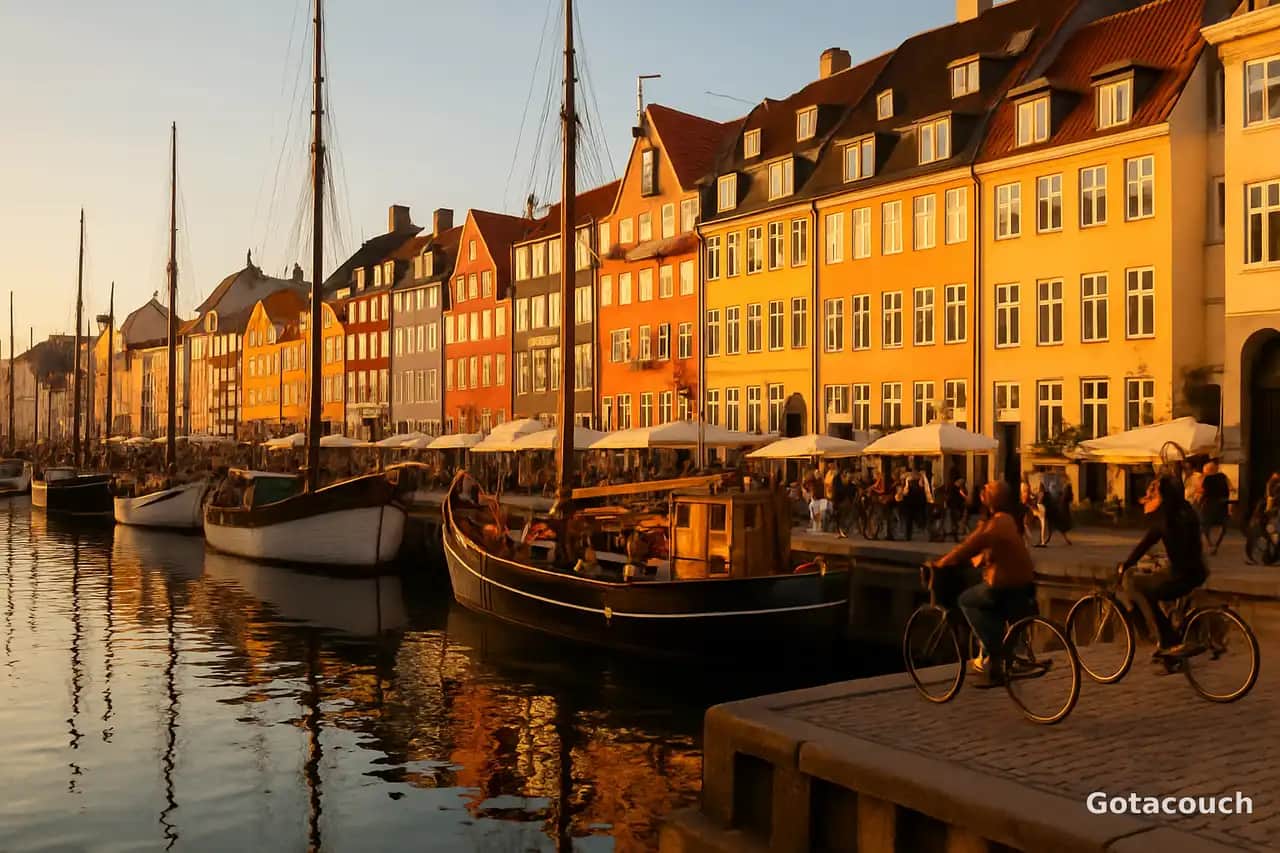
Copenhagen on Two Wheels: Canals, Hygge and the New Nordic Spirit of Denmark's Capital
October 15, 2026 at 11:18 AM
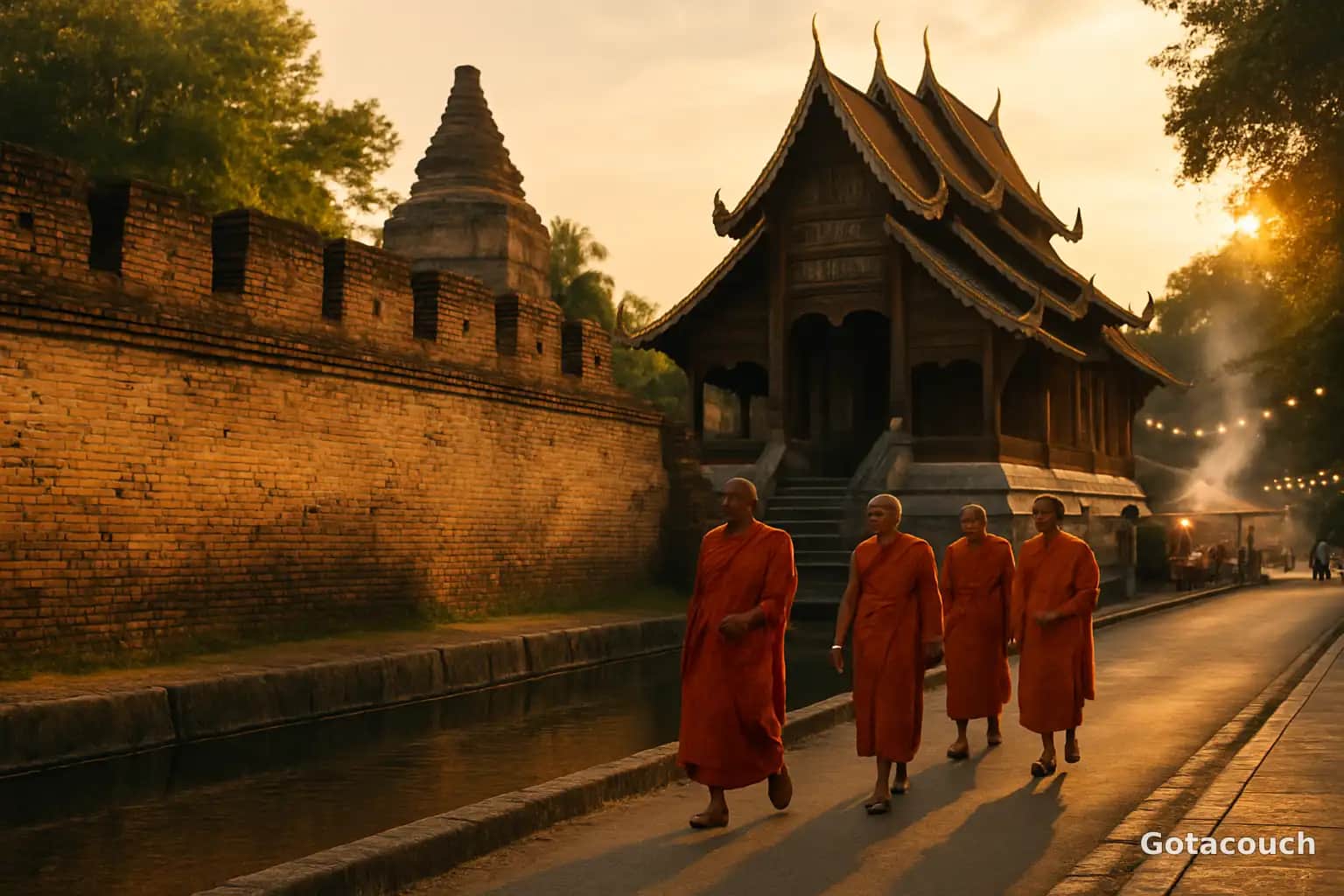
Chiang Mai Within Its Moats: Lanna Heritage, Misty Mountains and the Slow Rhythm of Northern Thailand
October 14, 2026 at 3:17 PM
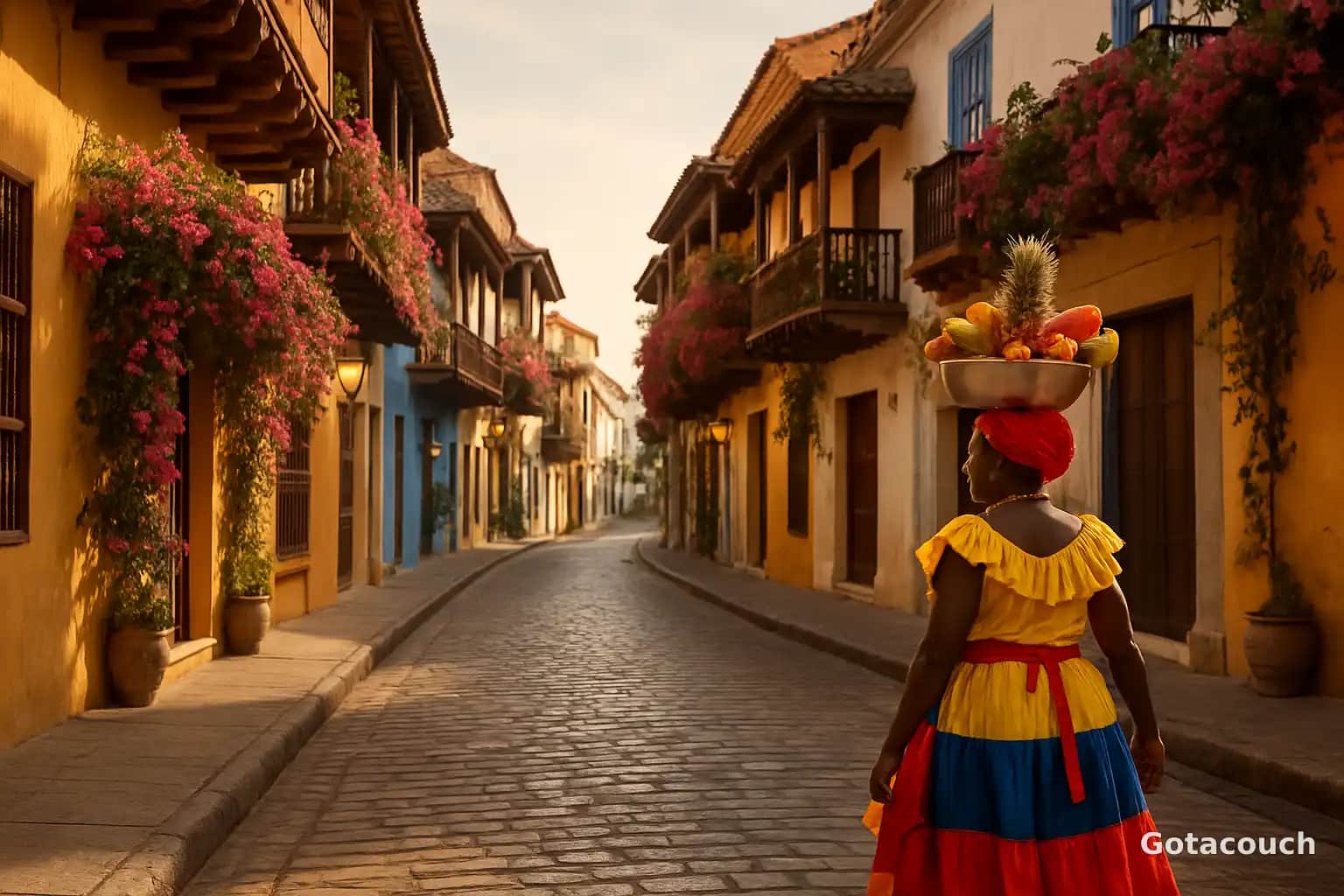
Cartagena de Indias: Walls Built Against Pirates, a Heart Beating to Afro-Caribbean Rhythm
October 14, 2026 at 3:07 PM
Buenos Aires Block by Block: Tango Roots, Immigrant Dreams and the Rituals of Porteño Life
October 14, 2026 at 2:48 PM
Budapest, City of Two Souls: How Buda and Pest Became One Danube Capital
October 14, 2026 at 2:32 PM
Bogotá at 2,600 Meters: Colonial Alleys, Golden Legends and the High-Altitude Soul of Colombia's Capital
October 14, 2026 at 2:28 PM
Comments
Log in to leave a comment.
No comments yet.