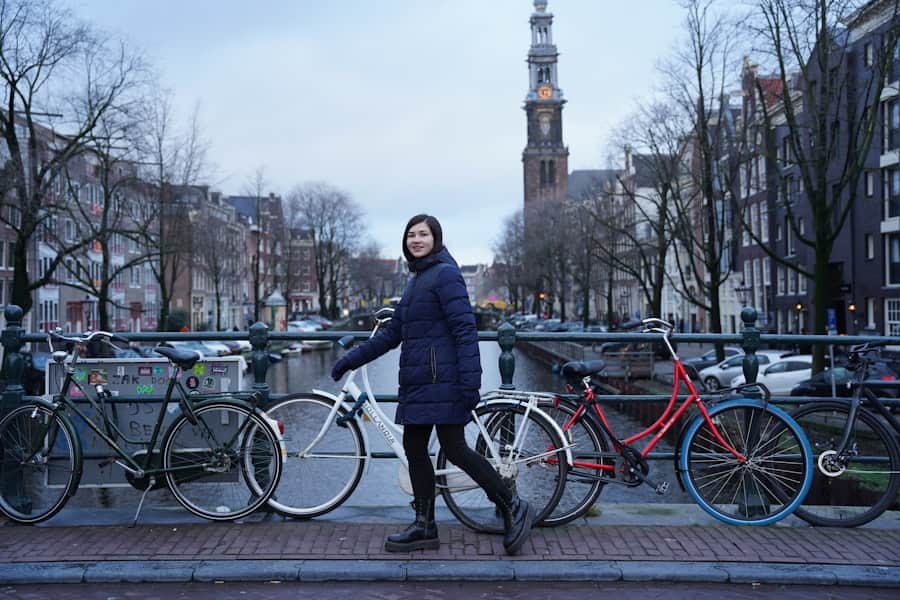
Amsterdam Beyond the Canals: Cycling Through Neighborhoods, Markets and the Dutch Art of Everyday Life
September 19, 2026 at 8:55 AM · Compte supprimé · Updated on September 20, 2026 at 10:00 PM
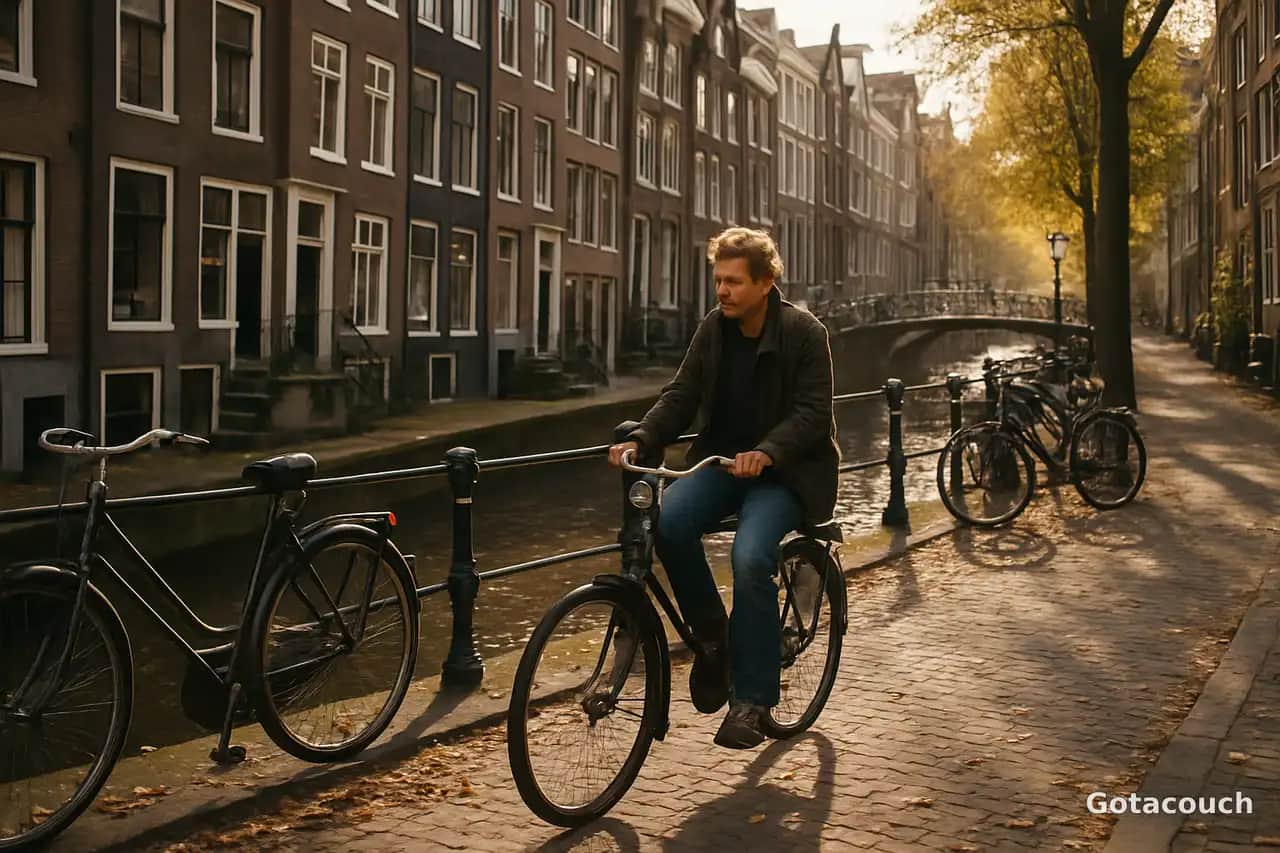
Amsterdam has a way of surprising travelers who think they already know it. Yes, there are the postcard canals, the leaning gabled houses, the bicycles gliding past at every turn. But scratch beneath that familiar surface and you'll find a city built by fishermen, shaped by merchants, and still, today, lived in by locals who cycle to the cheese shop, gather in centuries-old brown cafés, and haggle over herring at the weekend market. This is the Amsterdam worth discovering — not just a checklist of monuments, but a living, breathing patchwork of neighborhoods.
From a Fishing Village to a Golden Age Powerhouse
Amsterdam's story begins humbly in the 13th century, when a small community of fishermen built a dam across the river Amstel — giving the settlement its name, Amstel-dam. What started as a modest village would, by the 17th century, transform into one of the most powerful trading and financial hubs in the world, largely thanks to the maritime dominance of the Dutch East India Company (VOC). Ships loaded with spices, textiles and goods from around the globe docked along Amsterdam's harbor, and the wealth that flowed in reshaped the city almost overnight.
It was during this Golden Age that Amsterdam's most iconic feature took shape: the Grachtengordel, or canal ring. Merchants funded the construction of this elegant network of concentric waterways, lined with narrow townhouses and tree-shaded quays. The ring has since been recognized as a UNESCO World Heritage site, a testament to a remarkably ambitious piece of 17th-century urban planning that still defines the city's silhouette today.
Wandering the Canal Ring and the Jordaan
Strolling along the Grachtengordel remains one of the great pleasures of an Amsterdam visit — bicycles ringing their bells, houseboats bobbing gently, and gabled façades reflected in the water. Don't miss the Begijnhof, a hidden courtyard of almshouses tucked away from the bustle, or the Oude Kerk, the city's oldest surviving building, standing at the edge of the red-light district as a reminder of Amsterdam's layered history.
Just west of the canal ring lies the Jordaan, once a working-class neighborhood built to house laborers and craftsmen, now one of the city's most charming quarters. Wander its narrow streets and you'll stumble upon hofjes — small courtyards built centuries ago as sanctuaries for the elderly or widowed, many of which remain open to visitors during the day. The Jordaan is also home to some of Amsterdam's most cherished bruine kroegen, or brown cafés — dimly lit, wood-paneled pubs where locals have gathered for generations over a beer and a plate of bitterballen.
Beyond the Center: Noord, De Pijp and Oost
To understand Amsterdam today, it helps to cross the water — literally. Amsterdam-Noord, once a gritty industrial district, is reachable only by a free ferry departing from behind Centraal Station, and that short crossing feels like stepping into another city. The old NDSM shipyard has been reborn as a sprawling creative hub, filled with artist studios, street art, and lively markets that draw a young, alternative crowd.
South of the center, De Pijp pulses with a different kind of energy: multicultural, dense, and endlessly lively. Its Albert Cuyp Market is one of the most famous street markets in the Netherlands, a riot of fresh produce, fabrics, and street food stalls where the city's diversity is on full display. Further east, Amsterdam-Oost offers a quieter, more residential rhythm, anchored by the green expanse of Oosterpark — a favorite spot for locals to picnic, jog, or simply watch the world go by.
Markets, Herring Stalls and a Taste of the Dutch Table
Amsterdam's food culture is best explored outdoors, market stall by market stall. On Mondays, Noordermarkt fills with secondhand clothing and textiles; on Saturdays, the same square transforms into a farmer's market brimming with organic produce and artisanal cheese. For something more contemporary, Foodhallen — housed in a former tram depot — brings together an eclectic mix of food vendors under one roof, perfect for sampling several cuisines in one sitting.
No culinary tour of Amsterdam is complete without trying herring the traditional way — sold from small carts and stalls across the city, served raw with chopped onions and pickles, traditionally eaten by tilting your head back and lowering the fish in whole. It's an acquired taste for some, but locals swear by it, and the ritual itself feels like a small initiation into Dutch culture. Pair it with a warm stroopwafel from a street vendor, or a paper cone of crispy fries topped with mayonnaise, and you've covered the essentials of Amsterdam street food in a single afternoon.
Life on Two Wheels
To understand Amsterdam, you need to understand its relationship with the bicycle. Cyclists outnumber cars in the city center, and dedicated bike lanes crisscross nearly every street, often with their own traffic signals. For visitors, renting a bike is less a tourist activity than a rite of passage — it's simply how the city expects to be experienced. Locals cycle in work clothes, with children balanced on the back, groceries slung over the handlebars, and umbrellas held aloft in the rain, all without breaking stride. Visitors should keep an eye out for the flow of traffic and always check the bike lane before stepping off a curb; in Amsterdam, the silent, swift bicycle is often a greater hazard to distracted pedestrians than any car.
Museums and the Art of Slowing Down
Amsterdam's museum quarter, clustered around the Museumplein, holds an extraordinary concentration of art and history within walking distance of each other. The Rijksmuseum houses centuries of Dutch masters, from Rembrandt to Vermeer, while the Van Gogh Museum offers the world's largest collection of the artist's work, tracing his life from early, somber studies to the vibrant canvases of his final years. Nearby, the Anne Frank House offers a more sober, deeply moving encounter with the city's wartime history, preserving the hiding place where a young girl's diary became one of the most widely read accounts of the Holocaust. Booking tickets in advance is essential for all three, as queues can stretch long, especially during peak travel seasons.
Day Trips Beyond the City
Amsterdam's compact size and excellent rail connections make it an easy base for exploring the wider Netherlands. A short train ride leads to Zaanse Schans, where windmills still turn along the riverbank and traditional wooden houses evoke the countryside of centuries past. Haarlem, a smaller and quieter version of Amsterdam, offers cobblestone streets and a magnificent Gothic church without the crowds. Further afield, the bulb fields of the Dutch countryside burst into color during tulip season, drawing visitors to the flower auctions and gardens that have made the Netherlands synonymous with tulips worldwide.
Practical Tips for Visiting Amsterdam
- Getting around: Walking, cycling, and the tram network are the most efficient ways to move through the city — cars are often more hassle than they're worth in the narrow, canal-lined streets.
- Weather: Pack layers and a rain jacket regardless of season; the Dutch climate is famously changeable, with sunshine and showers sometimes arriving within the same hour.
- Etiquette: The Dutch are known for their directness — don't mistake bluntness for rudeness, it's simply a cultural norm rooted in valuing honesty over small talk.
- Language: Dutch is the official language, but English is spoken widely and fluently, making it easy for visitors to navigate menus, signage, and conversations.
Final Thoughts
Amsterdam rewards those willing to wander beyond the obvious. Yes, take the canal cruise, visit the Anne Frank House, and snap a photo by the I amsterdam letters if you must — but leave room in your itinerary to get pleasantly lost in the Jordaan's side streets, to catch the ferry to Noord without a fixed plan, or to linger over a beer in a brown café as the afternoon light slants through old windows. It's a city where history and modern life sit comfortably side by side, where centuries-old canals reflect contemporary street art, and where a fishing village's humble beginnings gave rise to one of Europe's most captivating capitals. Come for the postcard views, but stay for the neighborhoods, the markets, and the everyday rhythms that make Amsterdam so much more than the sum of its landmarks.
Articles to discover
Athens Neighborhood by Neighborhood: Marble Ruins, Cycladic Alleys and Rooftop Ouzo Beneath the Acropolis
September 21, 2026 at 12:20 PM

Auckland, City of Volcanoes and Sails: Where Māori Heritage Meets the Pacific Soul of New Zealand
September 19, 2026 at 8:06 PM
Accra, the Ghanaian capital that carried Africa's independence: Jamestown, Osu and the Ga soul
September 5, 2026 at 12:58 AM
Seoul, a City of Two Faces: Royal Palaces, Futuristic Neon and Hallyu Culture Along the Han
September 2, 2026 at 8:05 AM
Fez, the Idrisid City Where You Learn to Slow Down: A Millennial Medina, Living Craftsmanship and Andalusian Flavors
September 1, 2026 at 8:04 PM
Madrid, a Capital of Two Speeds: Between Art, Bustling Markets, and Spanish Popular Traditions
September 1, 2026 at 8:04 AM
Comments
Log in to leave a comment.
No comments yet.