Auckland, City of Volcanoes and Sails: Where Māori Heritage Meets the Pacific Soul of New Zealand
September 19, 2026 at 8:06 PM · Compte supprimé
A name carried by many tribes
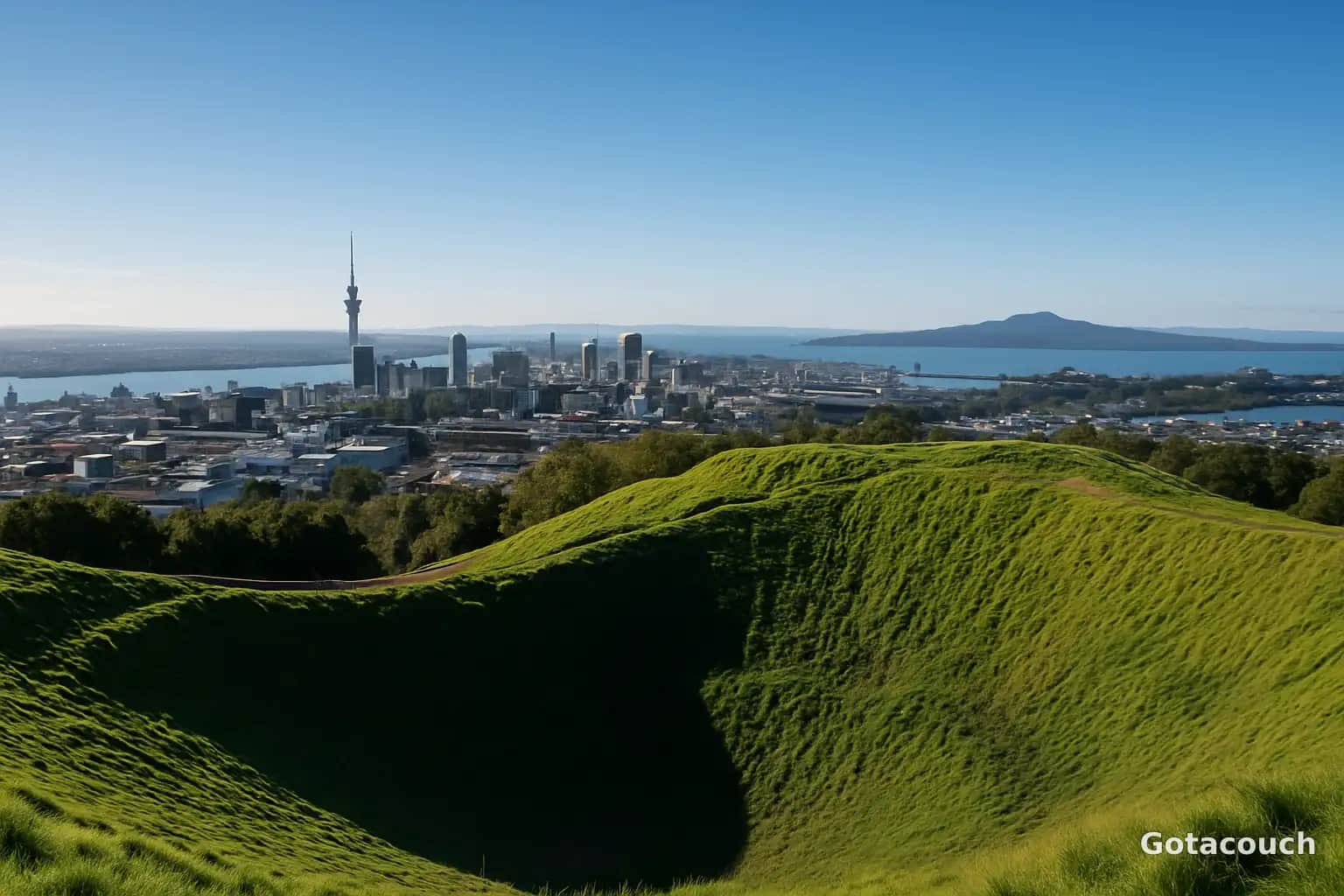
Long before it became New Zealand's largest city, this stretch of land between two harbours was known to Māori as Tāmaki Makaurau — roughly translated as \"Tāmaki desired by many\". The name itself tells a story: for centuries, various iwi (tribes) fought over this narrow isthmus, drawn by its fertile volcanic soil, its double coastline opening onto the Waitematā and Manukau harbours, and its strategic position at the crossroads of trade routes. When Governor William Hobson founded the European settlement in 1840, naming it after George Eden, Earl of Auckland, he was building on top of a landscape already dense with human history. Auckland even briefly held the title of colonial capital, a status it kept until 1865, when Wellington took over — a fact many visitors are surprised to learn as they wander today's skyline of glass towers and container ports.
A city built on fire
What truly sets Auckland apart from almost any other city on earth is what lies beneath it: a volcanic field of roughly fifty cones scattered across the region, each one a dormant reminder of the fire that shaped this land. Long before Europeans arrived, many of these cones were transformed by Māori into pā, fortified villages perched high for defense and visibility. Climb Maungakiekie (One Tree Hill) or Maungawhau (Mount Eden) today and you can still trace the terraces once used for growing kūmara and taro, etched into the slopes like contour lines on a living map. Standing at the summit, with 360-degree views over the city, the harbour, and the distant cones of sister volcanoes, it becomes obvious why this isthmus was so fiercely contested — and why it remains, geologically speaking, one of the most unusual capitals of everyday life in the world.
The largest Polynesian city on the planet
Auckland holds a title that surprises many first-time visitors: it is home to the largest urban Polynesian population found anywhere in the world. This Pasifika identity runs through the city's rhythm, its markets, its churches, its music, and its Saturday mornings. Nowhere is this more vivid than at Ōtara Market, where stalls overflow with tropical fruit, spices, and home-cooked Pacific dishes, all set to a soundtrack of laughter, gospel harmonies, and easy conversation between vendors and regulars. Alongside this Pasifika energy, Māori culture remains deeply present — through marae gatherings, through the powerful haka, through the hongi (a traditional nose-to-nose greeting), and through hāngī feasts cooked slowly in earth ovens. The Auckland War Memorial Museum, a stately neoclassical building overlooking the green expanse of Auckland Domain, offers one of the richest introductions to this dual heritage, with collections and live performances dedicated to both Māori and wider Pacific traditions.
Neighborhoods that reward wandering
Skip the polished but slightly impersonal Viaduct Harbour waterfront, and Auckland opens up into a patchwork of neighborhoods with real character. Ponsonby charms with its restored Victorian villas, independent galleries, and a restaurant scene that spills onto the pavement along Ponsonby Road. A short walk away, Karangahape Road — known simply as K' Road — pulses with a rougher, more alternative energy: vintage shops, street art, LGBTQ+ nightlife, and a creative crowd that has resisted gentrification more successfully than most. For a quieter, more residential feel, Grey Lynn, Kingsland, and Eden Terrace offer weekend farmers markets and neighborhood cafés where you're more likely to strike up a conversation with a local than in any tourist-facing venue downtown. And for a step back into the 19th century, hop on a ferry to Devonport, where colonial-era houses, old artillery forts, and sweeping views of the North Head volcano make for one of the most relaxed half-days in the city.
Islands within reach
One of Auckland's great privileges is how close its wild, green islands sit to the city center. Rangitoto Island, a striking volcanic cone rising from the Hauraki Gulf, is reachable by ferry and rewards hikers with panoramic views from its summit across the entire gulf. Waiheke Island, generally reached in around 35 to 40 minutes by ferry (times worth double-checking with the operator on the day), has built a reputation for its vineyards, boutique wineries, and laid-back beaches — an easy and popular day trip, though many travelers choose to stay overnight to soak up its slower pace. Further afield, the black-sand beaches of Piha and the native forest trails of the Waitakere Ranges lie about an hour's drive west, offering a wilder, more dramatic coastline for those with a car and a free afternoon.
A plate shaped by the Pacific and Asia
Auckland's food scene reflects its population: a genuine fusion of New Zealand produce, Pacific flavors, and Asian culinary traditions. The Britomart precinct has become a magnet for quality restaurants and cafés, while suburbs like Ōtāhuhu and Sandringham are cherished by locals for some of the most authentic Vietnamese, Indian, and Chinese cooking in the country. For something with a European twist, La Cigale Market in Parnell brings a French flea-market atmosphere on weekends, complete with gourmet produce and secondhand treasures. Whether it's a hāngī-cooked feast, a bowl of pho in Sandringham, or fresh seafood by the harbour, eating in Auckland is one of the clearest windows into its layered identity.
When to visit
Being in the Southern Hemisphere, Auckland flips the seasonal calendar familiar to travelers from Europe or North America. The austral summer, from December to February, brings warm and often humid weather, while winter (June to August) stays relatively mild but comes with more rain. Most experienced visitors — and locals themselves — point to the shoulder seasons, March to May and September to November, as the sweet spot: settled weather, fewer crowds, and a more relaxed pace to explore both the city and its surrounding islands.
Practical tips before you go
- Driving is on the left throughout New Zealand — a detail worth remembering before renting a car for excursions beyond the city.
- New Zealand, and Auckland in particular, tends to be more expensive than other Pacific destinations, especially for accommodation, car rental, and fuel — plan your budget accordingly.
- Auckland Transport operates the city's buses, trains, and ferries, and the rechargeable AT HOP card is generally more economical than single tickets.
- A rental car remains the most practical way to explore beyond downtown, given the region's significant distances.
- Avoid leaving valuables visible inside a parked car, and stay alert in certain central neighborhoods late at night.
- Most travelers need to apply online for the NZeTA electronic travel authorization and pay the IVL (tourism and environmental levy) several days before departure — check the official immigration website for current requirements.
- Allow three to four days to properly explore the city itself, plus at least one extra day for an island excursion such as Waiheke.
Beyond its postcard skyline, Auckland rewards travelers willing to look past the harbour bridge and the cruise-ship crowds: a city of dormant volcanoes, Pacific rhythms, and neighborhoods that still feel like villages — exactly the kind of place best discovered through the people who call it home.
Articles to discover
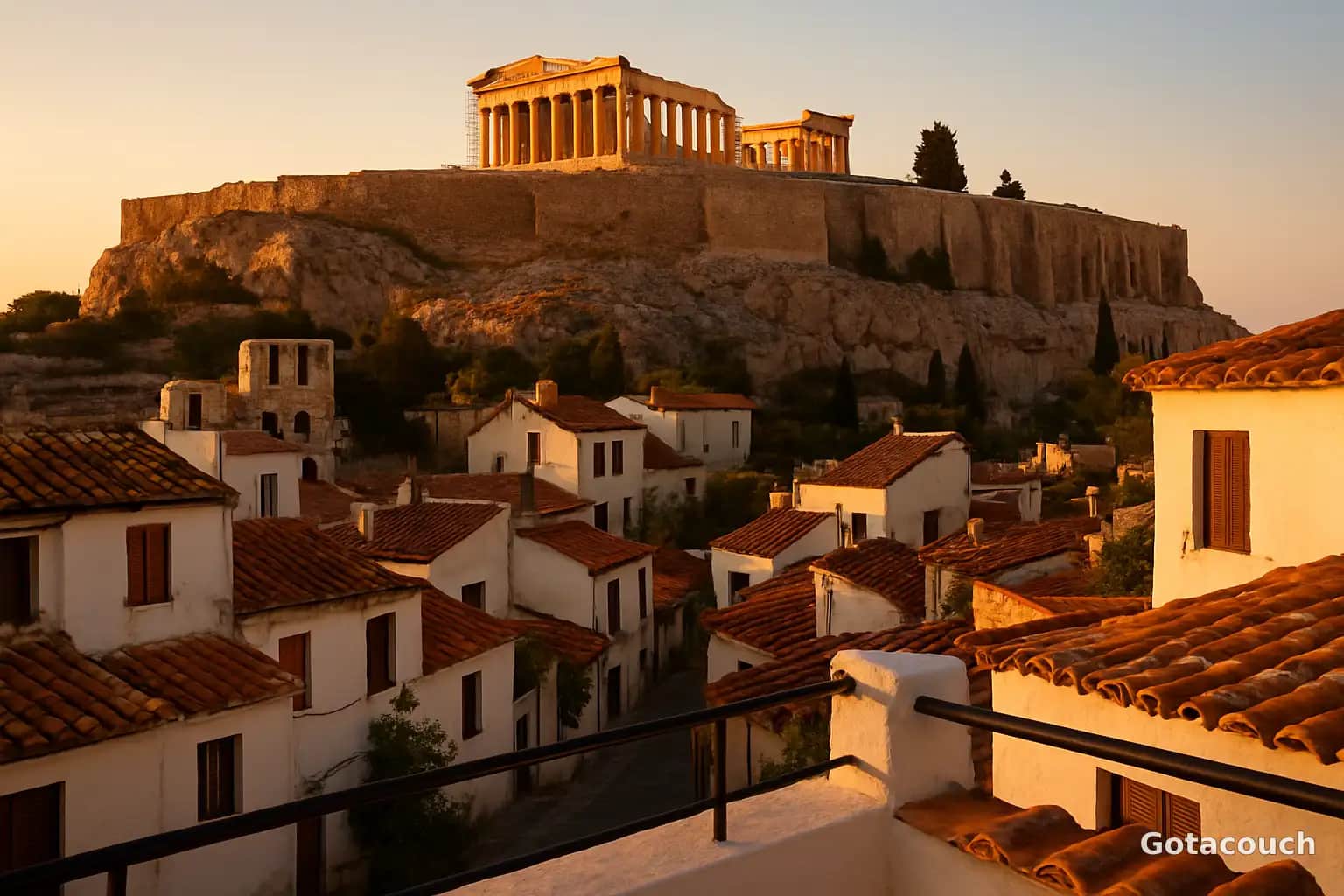
Athens Neighborhood by Neighborhood: Marble Ruins, Cycladic Alleys and Rooftop Ouzo Beneath the Acropolis
September 21, 2026 at 12:20 PM
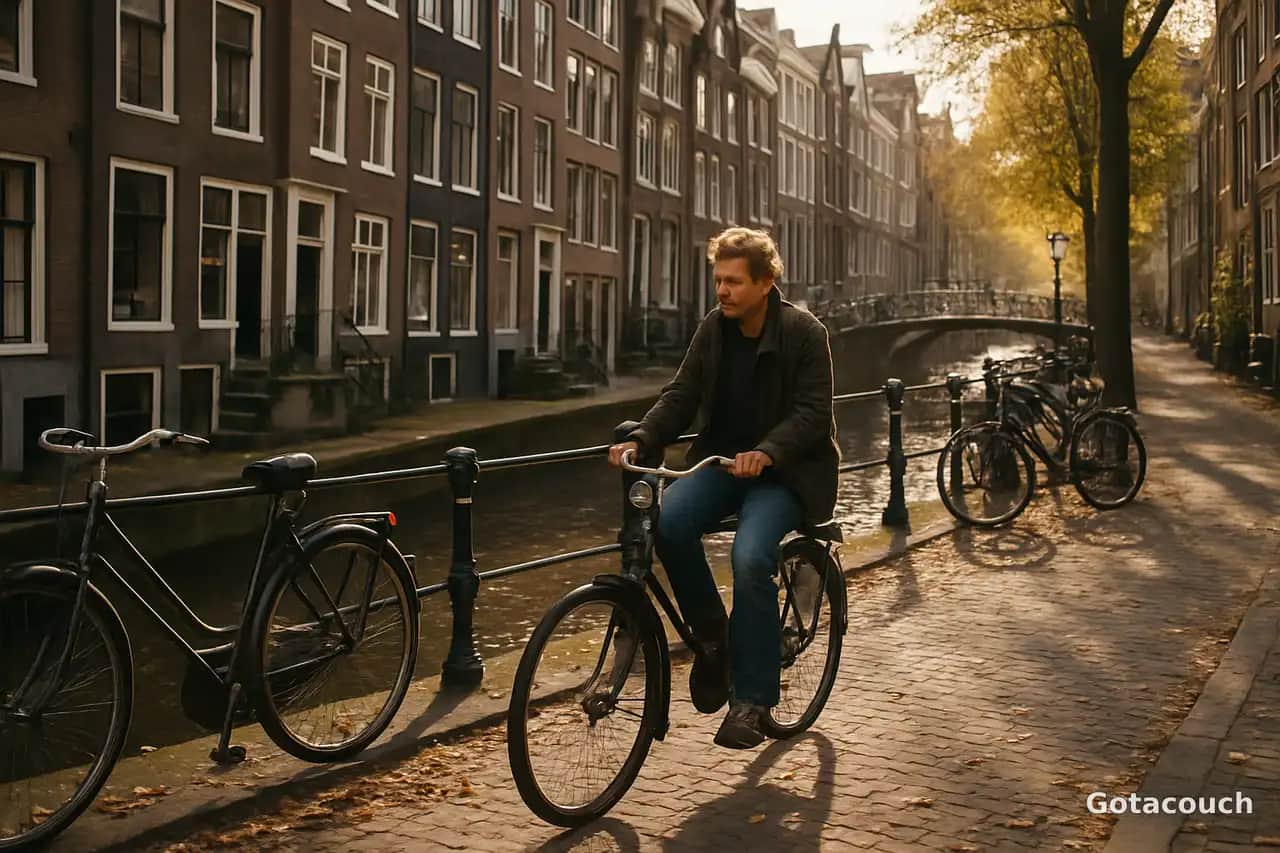
Amsterdam Beyond the Canals: Cycling Through Neighborhoods, Markets and the Dutch Art of Everyday Life
September 19, 2026 at 8:55 AM
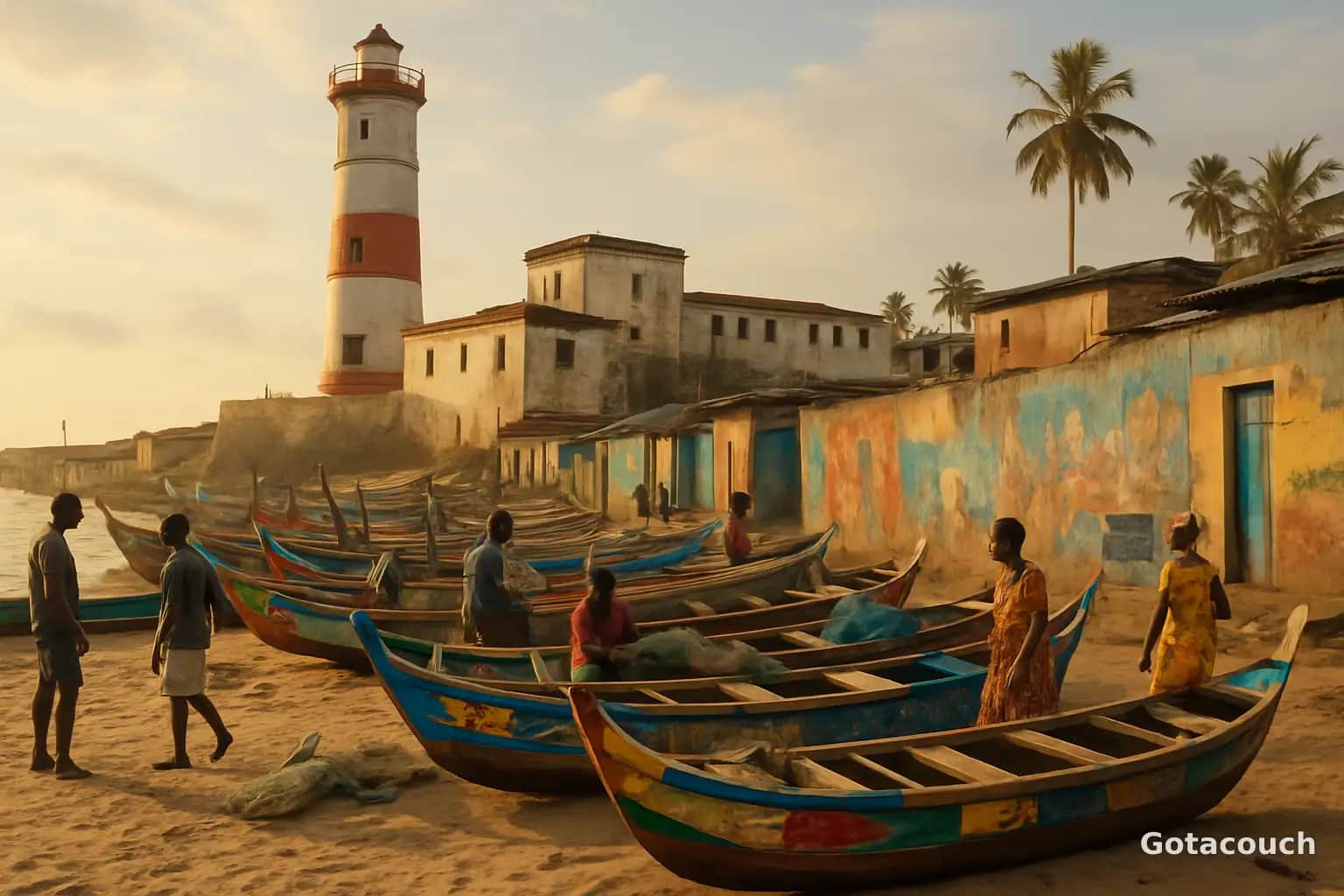
Accra, the Ghanaian capital that carried Africa's independence: Jamestown, Osu and the Ga soul
September 5, 2026 at 12:58 AM
Seoul, a City of Two Faces: Royal Palaces, Futuristic Neon and Hallyu Culture Along the Han
September 2, 2026 at 8:05 AM
Fez, the Idrisid City Where You Learn to Slow Down: A Millennial Medina, Living Craftsmanship and Andalusian Flavors
September 1, 2026 at 8:04 PM
Madrid, a Capital of Two Speeds: Between Art, Bustling Markets, and Spanish Popular Traditions
September 1, 2026 at 8:04 AM
Comments
Log in to leave a comment.
No comments yet.