Bangkok Off the Postcard: Canals, Chinatown Alleys and Temple Mornings Along the Chao Phraya
October 14, 2026 at 2:15 PM · GotaNomad
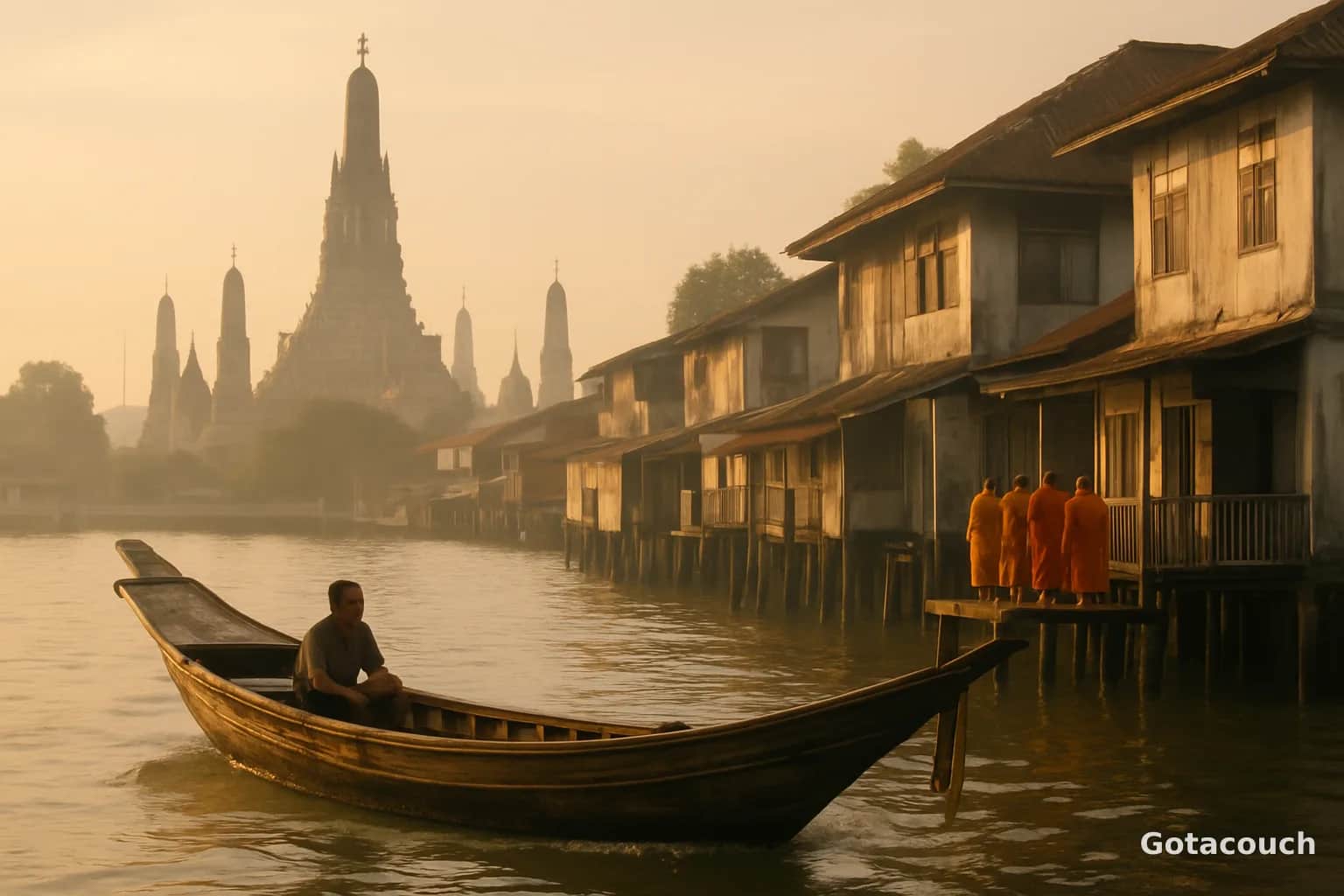
Most travelers arrive in Bangkok with a mental checklist: the Grand Palace, a photo at Wat Arun, maybe a tuk-tuk ride for good measure. And yes, you should see all of that. But the Bangkok that lingers in memory rarely comes from a single landmark — it comes from the moment a noodle vendor waves you over with a grin, or when a longtail boat slips past a wooden house on stilts and someone on the porch waves back. This is a city built on water, faith and constant reinvention, and the best way to understand it is to slow down and wander where the tour buses don't go.
A Capital Born From Defeat and Cosmology
Bangkok's story begins in 1782, when King Rama I, founder of the Chakri dynasty that still reigns today, established the city as the new capital of Siam after the fall of Ayutthaya and a brief interlude in Thonburi. Rather than starting from nothing, Rama I deliberately built his new capital around the artificial island of Rattanakosin, ringed by canals that echoed the layout of lost Ayutthaya. The design wasn't only defensive — it followed Buddhist cosmological principles, placing the royal palace and temples at the symbolic center of a city meant to mirror a sacred universe.
That founding logic still shapes how Bangkok feels today: a dense core of royal and religious monuments encircled by waterways, with modern life spilling outward in every direction. Rattanakosin itself is now officially protected as a heritage conservation zone, preserving the architectural dialogue between palace walls, temple spires and the river that made it all possible.
Rattanakosin: Where the Sacred Core Still Beats
Start here, early, before the heat and the crowds arrive together. The Grand Palace complex houses Wat Phra Kaew, home to the Emerald Buddha and considered the most sacred site in Thai Buddhism — modest dress covering shoulders and knees is non-negotiable here, as it is at every working temple in the city. A short walk away, Wat Pho shelters the enormous reclining Buddha and is widely regarded as the city's oldest temple, its grounds a working monastery as much as a monument. Across the Chao Phraya, the distinctive Khmer-style prangs of Wat Arun, the
Articles to discover
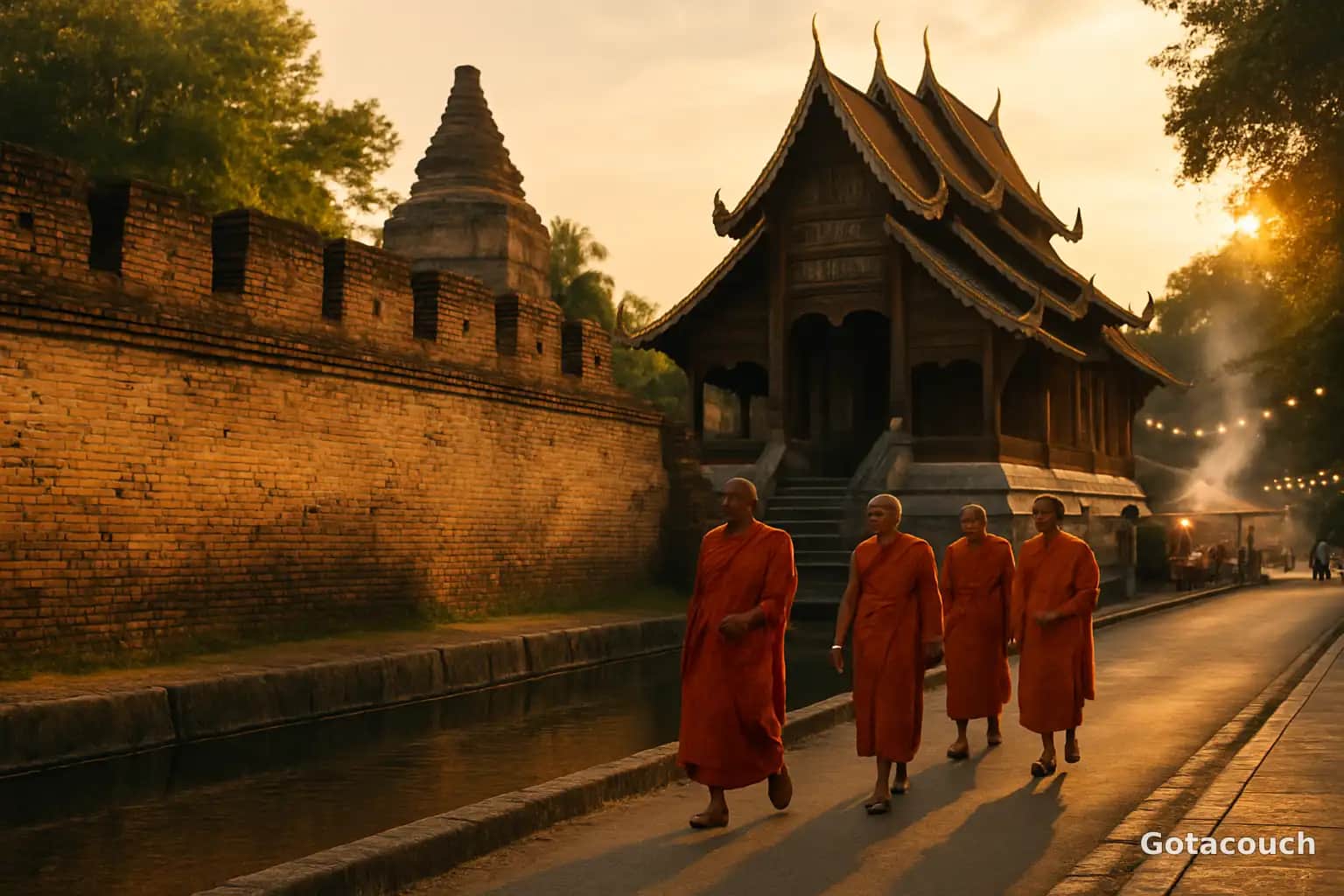
Chiang Mai Within Its Moats: Lanna Heritage, Misty Mountains and the Slow Rhythm of Northern Thailand
October 14, 2026 at 3:17 PM
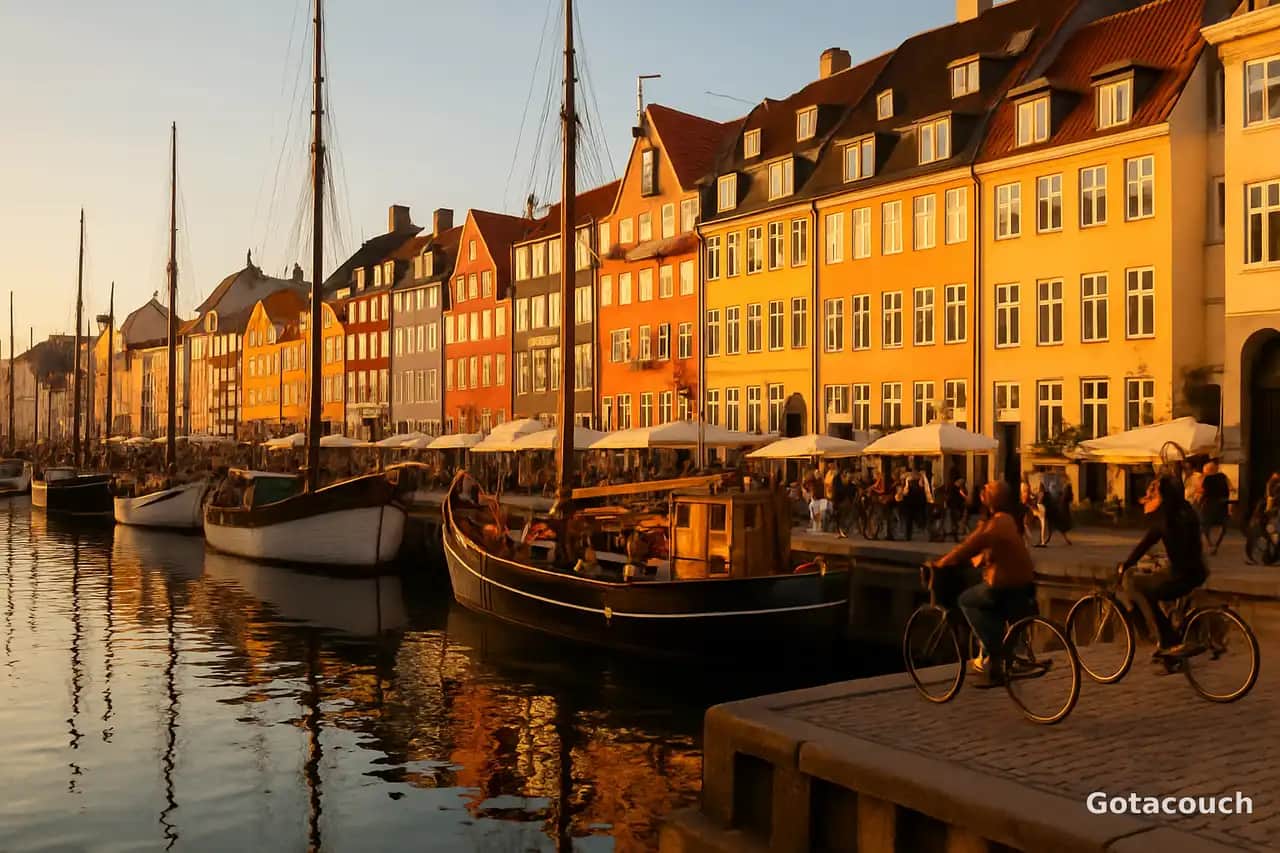
Copenhagen on Two Wheels: Canals, Hygge and the New Nordic Spirit of Denmark's Capital
October 15, 2026 at 11:18 AM
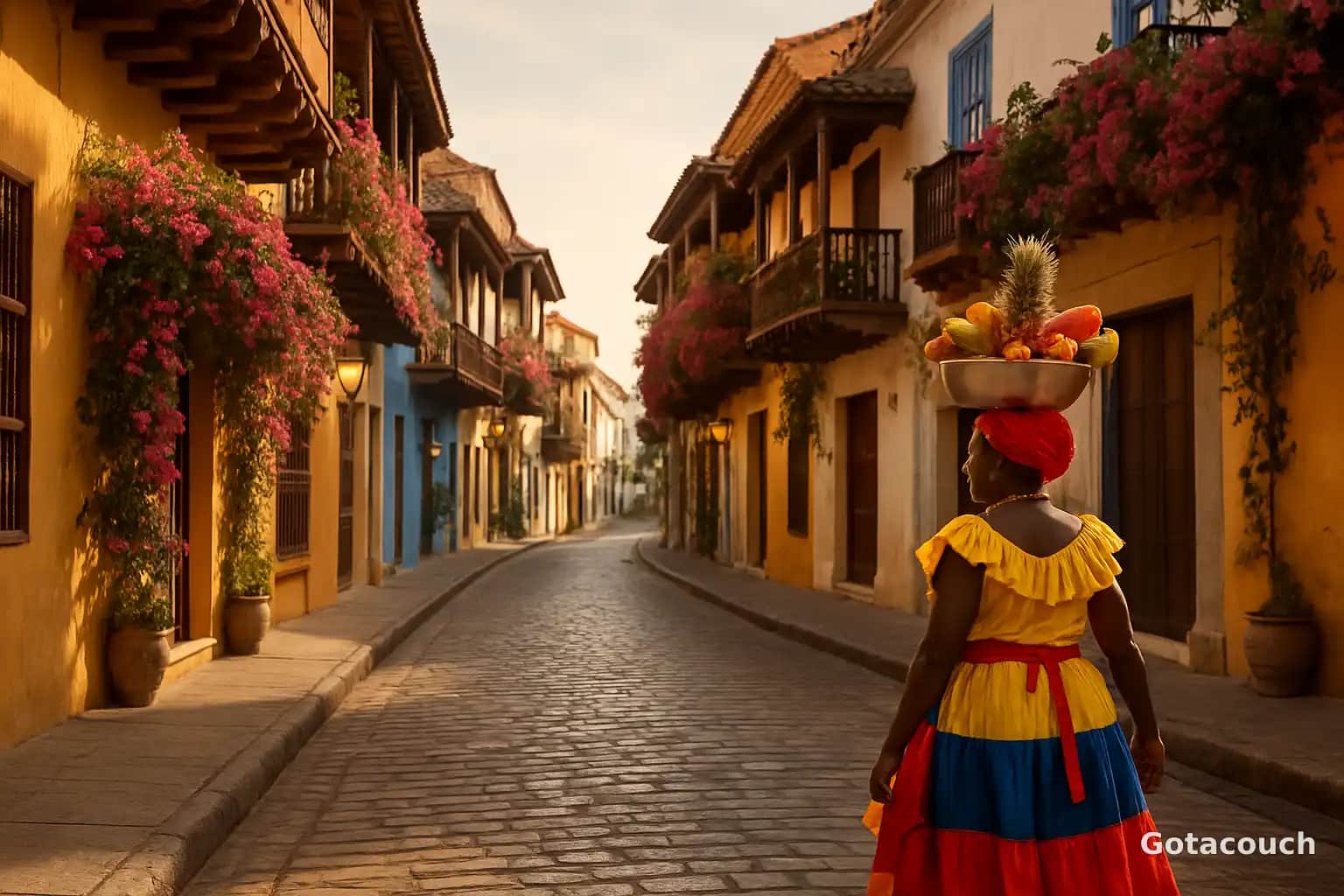
Cartagena de Indias: Walls Built Against Pirates, a Heart Beating to Afro-Caribbean Rhythm
October 14, 2026 at 3:07 PM
Cape Town Between Two Oceans: Layers of History, Colour and Cuisine Beneath Table Mountain
October 14, 2026 at 2:57 PM
Buenos Aires Block by Block: Tango Roots, Immigrant Dreams and the Rituals of Porteño Life
October 14, 2026 at 2:48 PM
Budapest, City of Two Souls: How Buda and Pest Became One Danube Capital
October 14, 2026 at 2:32 PM
Comments
Log in to leave a comment.
No comments yet.