Barcelona Beyond La Rambla: Roman Roots, Gaudí's Dreams and the Neighborhood Rituals That Define Catalan Life
October 14, 2026 at 2:12 PM · GotaNomad
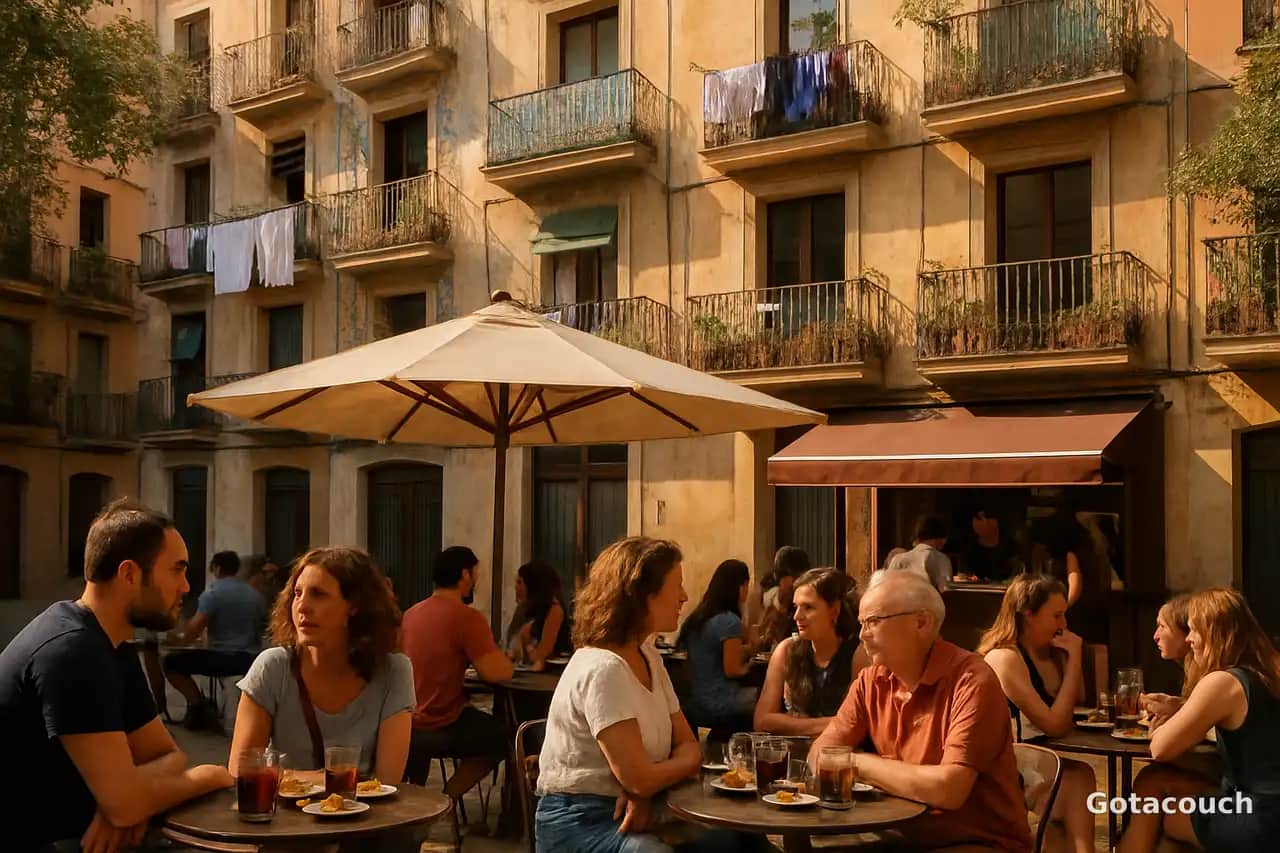
Mention Barcelona and most travelers picture La Rambla, the Sagrada Família's cranes-turned-spires, and a beach crowded with sunbathers. All of that is real and worth seeing. But the Barcelona that locals actually live in unfolds a few blocks away from the postcard route — in market halls where neighbors argue cheerfully over the price of botifarra, in squares where Sunday vermut stretches into a three-hour affair, and in the quiet grid of streets where Roman stones still poke through medieval walls. This is a city best discovered the way GotaCouch travelers tend to discover places: slowly, through the people who call it home.
From Roman Barcino to the Capital of Catalonia
Barcelona's story begins around the 1st century BC, when the Romans founded the colony of Barcino on a modest hill overlooking the Mediterranean. Centuries of Visigothic rule and a period under Muslim control followed, before the city emerged in the Middle Ages as the beating heart of the County of Barcelona and, later, the Crown of Aragon — a maritime and mercantile power that once rivaled the great trading cities of the Mediterranean.
Walk into the Barri Gòtic today and that layered past is still tangible. Roman foundations surface unexpectedly beside Gothic cathedral walls, and the narrow, shaded lanes around Barcelona Cathedral invite aimless wandering more than checklist sightseeing. It's one of the few places in Europe where you can trace two thousand years of urban history in a single afternoon stroll, simply by looking up at the stonework.
Gaudí, Modernisme, and a City Reinvented
No architectural movement has shaped Barcelona's identity quite like Modernisme, and no name is more synonymous with it than Antoni Gaudí. His most famous creation, the Sagrada Família, has been under construction since 1882 — a basilica that generations of Barcelonins have watched grow, stone by stone, into one of the most ambitious religious buildings ever conceived. Alongside Park Güell and Casa Batlló, it forms part of the UNESCO World Heritage listing
Articles to discover
Copenhagen on Two Wheels: Canals, Hygge and the New Nordic Spirit of Denmark's Capital
October 15, 2026 at 11:18 AM
Chiang Mai Within Its Moats: Lanna Heritage, Misty Mountains and the Slow Rhythm of Northern Thailand
October 14, 2026 at 3:17 PM
Cartagena de Indias: Walls Built Against Pirates, a Heart Beating to Afro-Caribbean Rhythm
October 14, 2026 at 3:07 PM
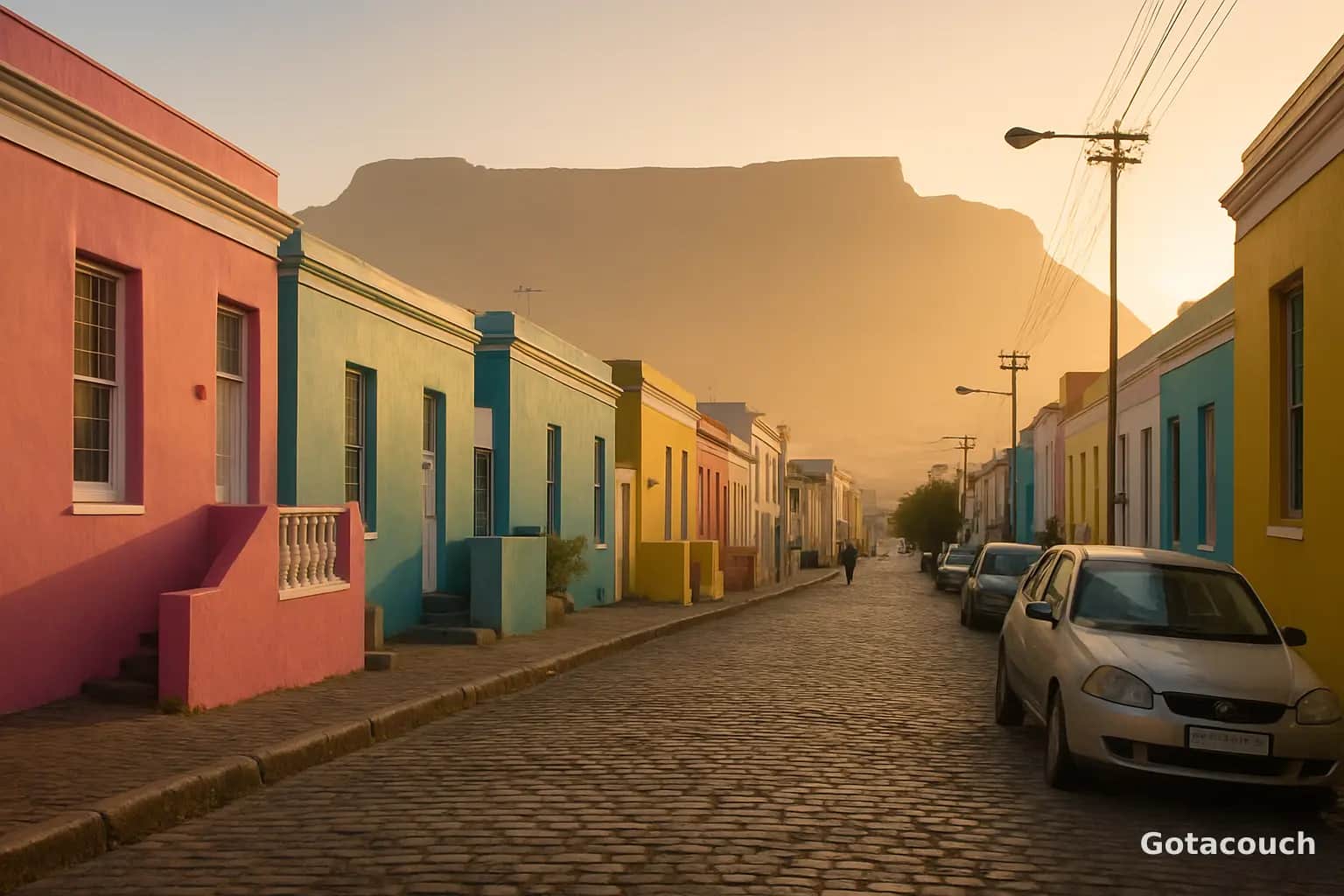
Cape Town Between Two Oceans: Layers of History, Colour and Cuisine Beneath Table Mountain
October 14, 2026 at 2:57 PM
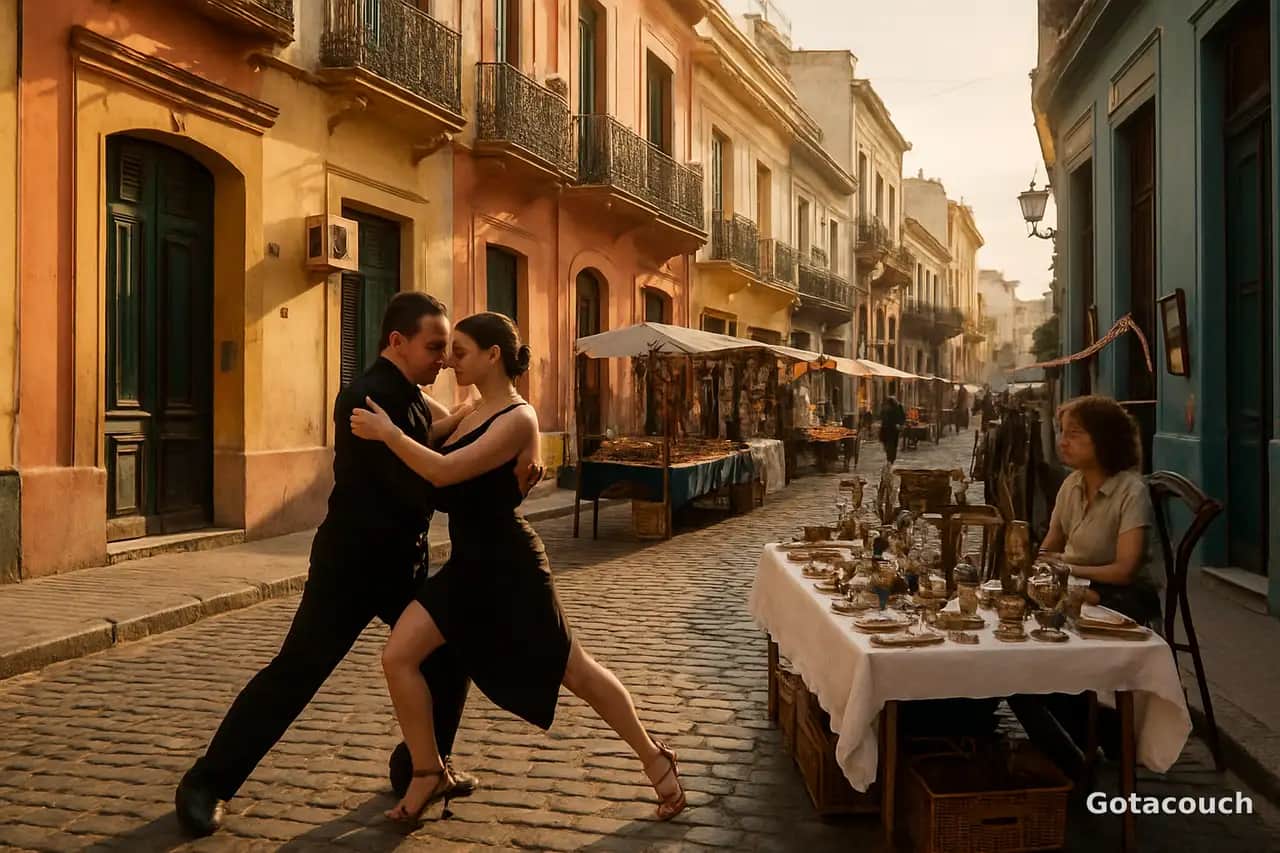
Buenos Aires Block by Block: Tango Roots, Immigrant Dreams and the Rituals of Porteño Life
October 14, 2026 at 2:48 PM
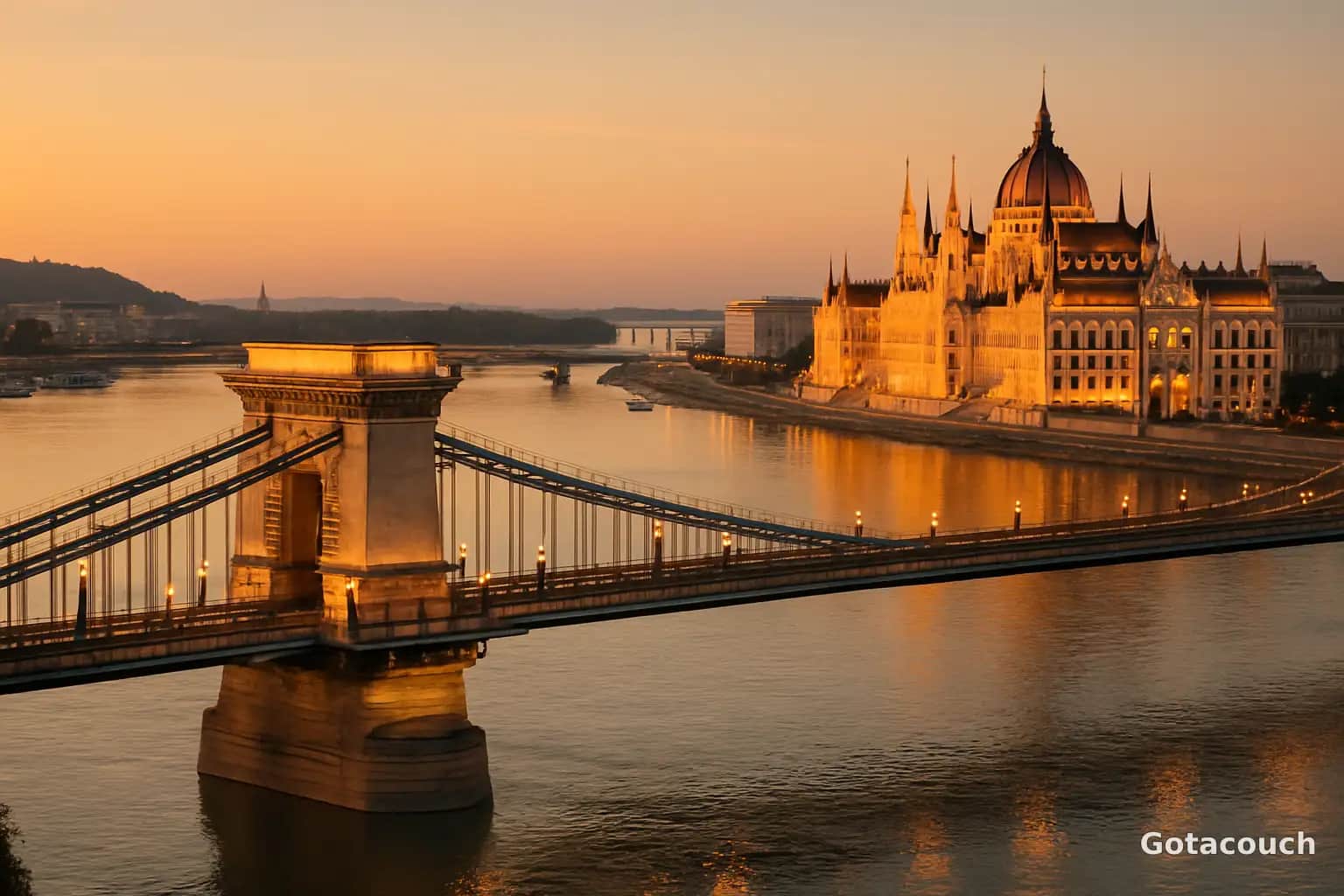
Budapest, City of Two Souls: How Buda and Pest Became One Danube Capital
October 14, 2026 at 2:32 PM
Comments
Log in to leave a comment.
No comments yet.