Berlin, City of Kieze: Walking a Divided Past Into Europe's Most Creative Present
October 14, 2026 at 2:21 PM · GotaNomad
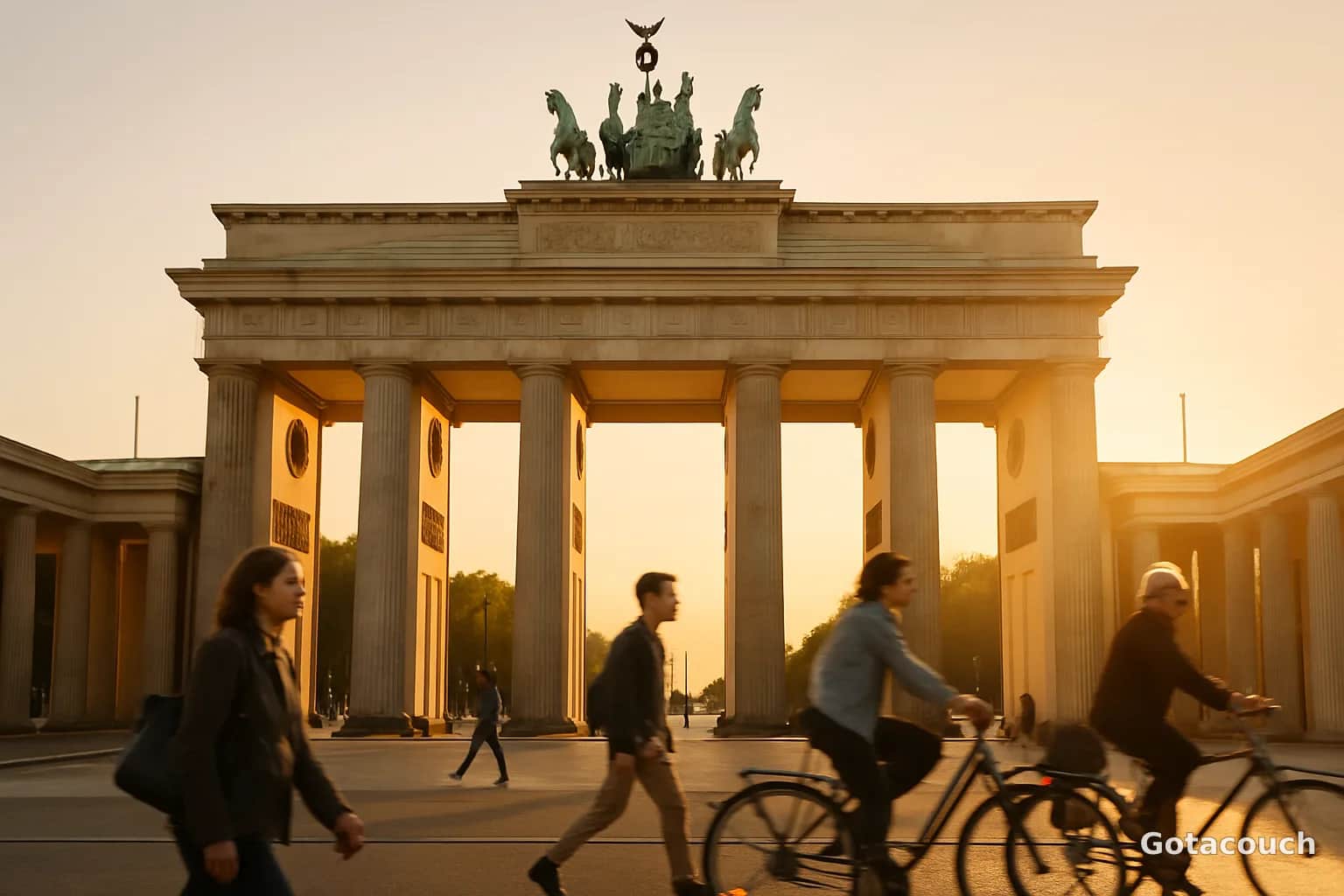
Few cities wear their history as openly as Berlin. Walk ten minutes in almost any direction and you will cross a scar, a monument, a rebuilt façade, or a quiet plaque explaining what once stood there. Capital of the Third Reich, then a city split in two by a concrete wall from 1961 to 1989, Berlin has spent the decades since reunification turning its wounds into something unexpectedly alive. This double memory — totalitarianism, then division — still shapes almost everything visitors come to see. But the Berlin that locals actually inhabit is organized differently: not around monuments, but around Kieze, the tightly knit micro-neighborhoods that give the city its very local, very human rhythm.
A City Built From Memory
Start where most journeys through Berlin begin: the Brandenburg Gate, completed at the end of the 18th century and now the city's most recognizable symbol of unity. A short walk away, the Memorial to the Murdered Jews of Europe asks visitors to slow down and reflect before the day's sightseeing continues. Nearby, the Reichstag and its glass dome remain a working reminder that German democracy rebuilt itself, literally, under a transparent roof.
Traces of the Wall are scattered across the city rather than confined to one site. The East Side Gallery turns a surviving stretch into an open-air gallery of murals, while the memorial along Bernauer Straße offers a more sober, detailed account of what the border actually meant for families split overnight. Checkpoint Charlie, once a tense crossing point between East and West, has become one of the more touristic stops, but it still anchors the story for first-time visitors trying to understand how recent and how absolute this division once was.
Museum Island and the Weight of Culture
For a city so marked by destruction and rebuilding, Berlin's commitment to preserving the deeper sweep of human history is striking. Museumsinsel, the Museum Island on the Spree, is a UNESCO World Heritage Site gathering five major museums, including the Pergamon Museum and the Altes Museum, within a few footsteps of each other. It's easy to spend a full day moving between antiquities, Prussian art collections and Byzantine treasures, then stepping back outside to find yourself once again among the ordinary flow of Berlin street life.
Life in the Kieze: Kreuzberg and Neukölln
VisitBerlin, the city's tourism board, often encourages travelers to think in terms of Kieze rather than districts — small, walkable pockets each with a distinct identity. Kreuzberg is one of the most storied: a historically multicultural neighborhood shaped by its Turkish and Arab communities, with a long-standing alternative scene that still animates Oranienstraße and the banks of the Spree canal after dark. It's less about ticking off sights here and more about sitting at a café, hearing three languages at the next table, and watching the neighborhood go about its evening.
Just south, Neukölln — particularly the Reuterkiez and Schillerkiez pockets — tells a related but different story. Once a working-class district, it has become a magnet for independent bars, artist studios and a genuinely mixed population of long-time residents and newer arrivals. Wandering here on a Sunday afternoon, between small galleries and corner cafés, often reveals more about contemporary Berlin than any single landmark could.
Escaping the City: Potsdam, Spreewald and the Lakes
Berlin's surroundings reward travelers willing to add a day or two to their itinerary. Potsdam, reachable in around 25 to 30 minutes by S7 or regional train, is famous for the palace and gardens of Sanssouci, a different register of German history entirely — Prussian royal ambition rendered in stone and landscaped parkland. Further out, roughly an hour to ninety minutes by train, the Spreewald biosphere reserve offers a completely different rhythm: a network of navigable canals best explored aboard a traditional Kahn boat, gliding past forested banks far from any skyline.
Closer to the city, Pfaueninsel (Peacock Island) and the Wannsee lake are accessible by a combination of S-Bahn and ferry, making for an easy summer escape to swim or simply sit by the water. And about 45 minutes away by S-Bahn, the Sachsenhausen memorial offers a necessary, difficult counterpoint — a direct encounter with the darkest chapter of the city's 20th-century history.
When to Visit
Berlin runs on a continental climate: mild to warm summers between June and August, and cold winters from December to February, when the city's Christmas markets light up the squares and daylight hours shrink considerably. For travelers hoping to combine city exploration with day trips into the surrounding nature, May–June and September tend to offer the most comfortable balance — pleasant temperatures and noticeably fewer crowds than peak summer.
Getting Around and Staying Safe
Berlin's public transport network — U-Bahn, S-Bahn, trams and buses — is run by the BVG and divided into fare zones A, B and C. Tickets must be validated before boarding, and checks are frequent, with fines that catch out plenty of unsuspecting visitors. Depending on your plans, a single ticket, a short-distance fare, a day pass or the Berlin WelcomeCard (unlimited transport plus discounts on attractions) can all make sense; it's worth checking current prices on the BVG app or with visitBerlin before you arrive, since fares do change.
Overall, Berlin is considered a safe European capital for tourists. The main risk reported is pickpocketing in busy spots like Alexanderplatz, train stations and crowded transport — ordinary vigilance goes a long way. EU and Schengen citizens need only a valid ID card to enter; travelers from elsewhere should confirm entry requirements with the German embassy beforehand.
Planning Your Stay
For the city alone, three to four days give you enough time to move between the historic core, Museum Island and at least one or two Kieze. Add a day trip or two — Potsdam, the Spreewald, Sachsenhausen — and you're looking at five to seven days to really settle into the city's pace. Budget varies enormously depending on travel style, so it's worth checking a recent cost comparison before finalizing plans, and confirming excursion schedules and prices with visitBerlin or Deutsche Bahn.
A City Best Understood Through Its People
Berlin rarely reveals itself fully to anyone rushing between landmarks. Its real character lives in the Kieze — in a Kreuzberg courtyard, a Neukölln café, a conversation with someone who remembers exactly where the Wall used to run. Staying with a local host, rather than passing through hotels alone, is often the fastest way into that layered, living version of the city — the one that exists just behind the monuments.
Articles to discover
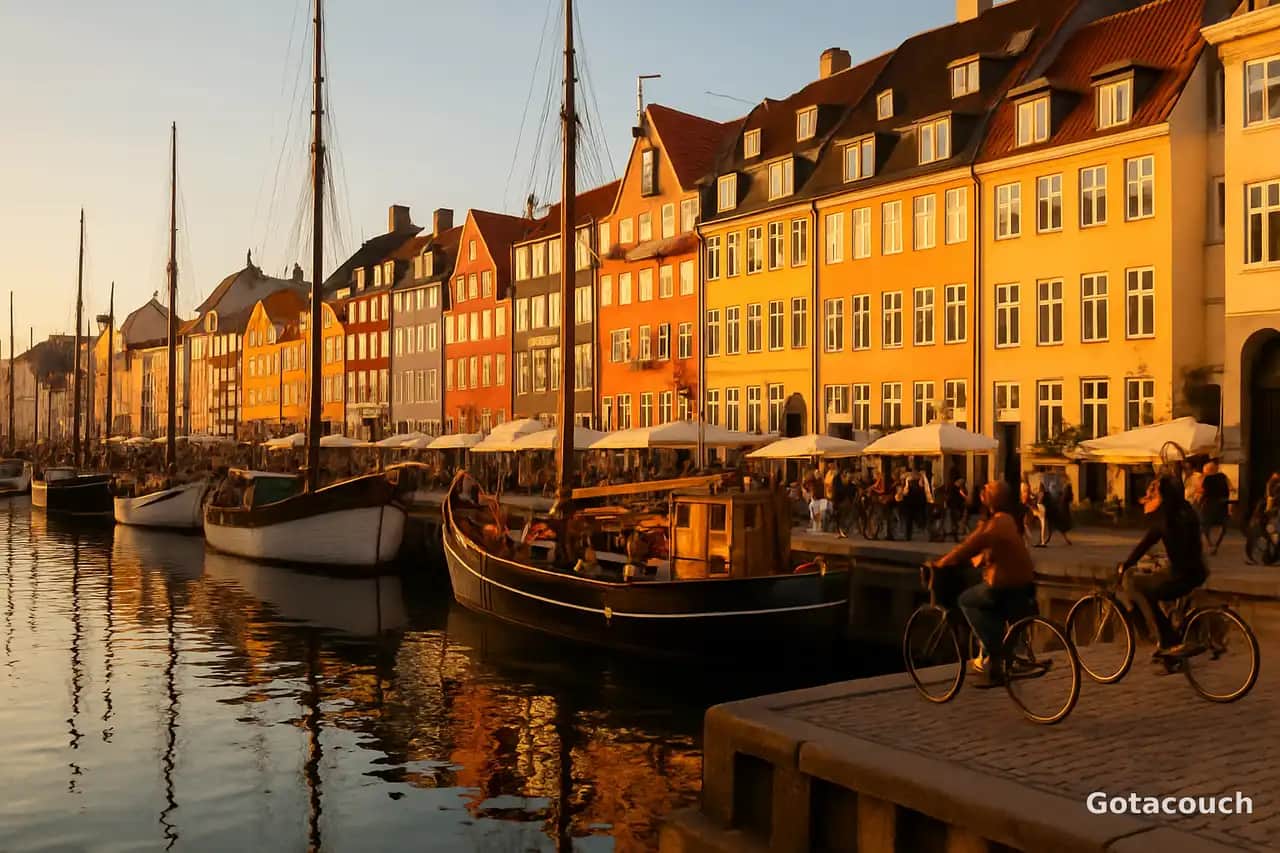
Copenhagen on Two Wheels: Canals, Hygge and the New Nordic Spirit of Denmark's Capital
October 15, 2026 at 11:18 AM
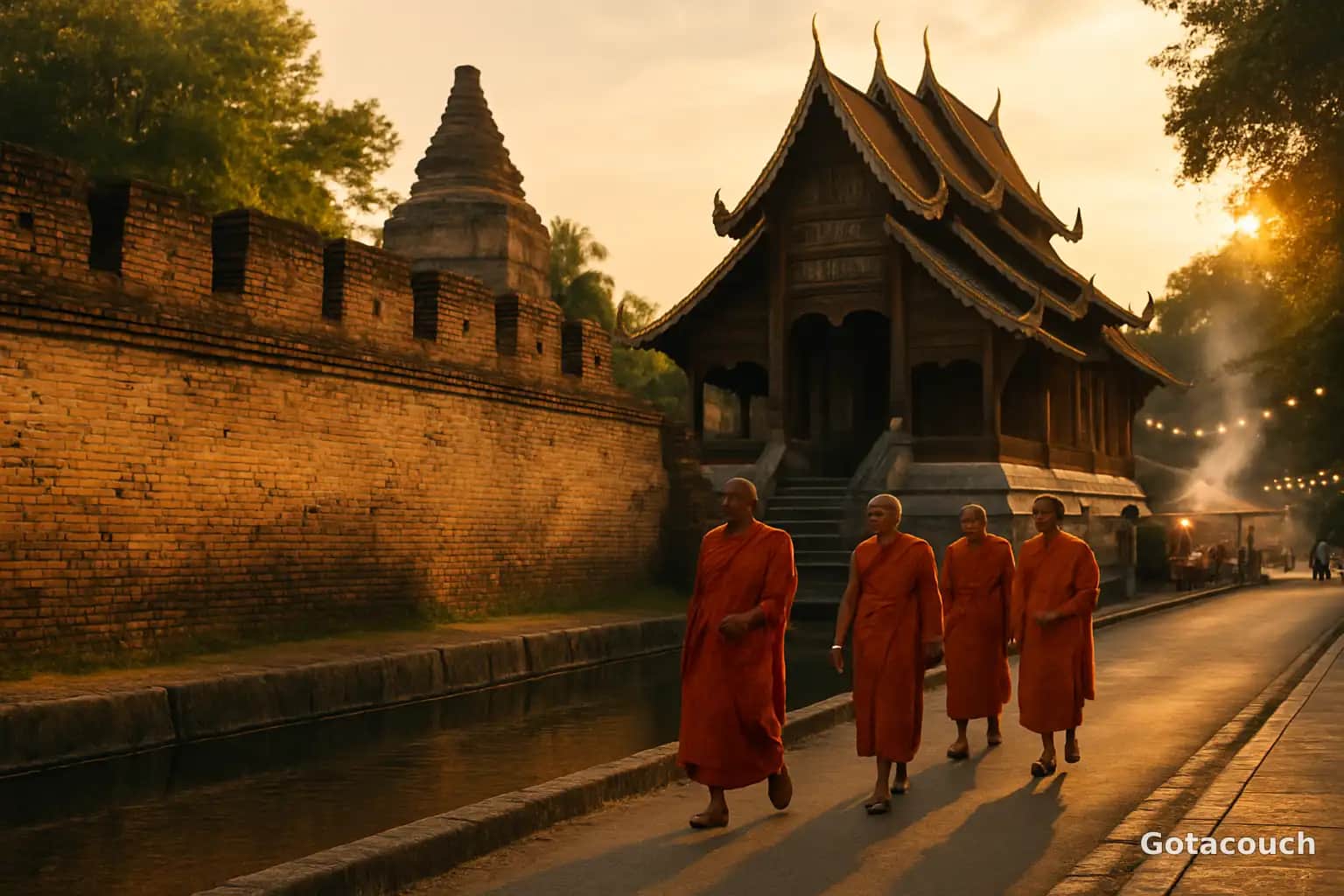
Chiang Mai Within Its Moats: Lanna Heritage, Misty Mountains and the Slow Rhythm of Northern Thailand
October 14, 2026 at 3:17 PM
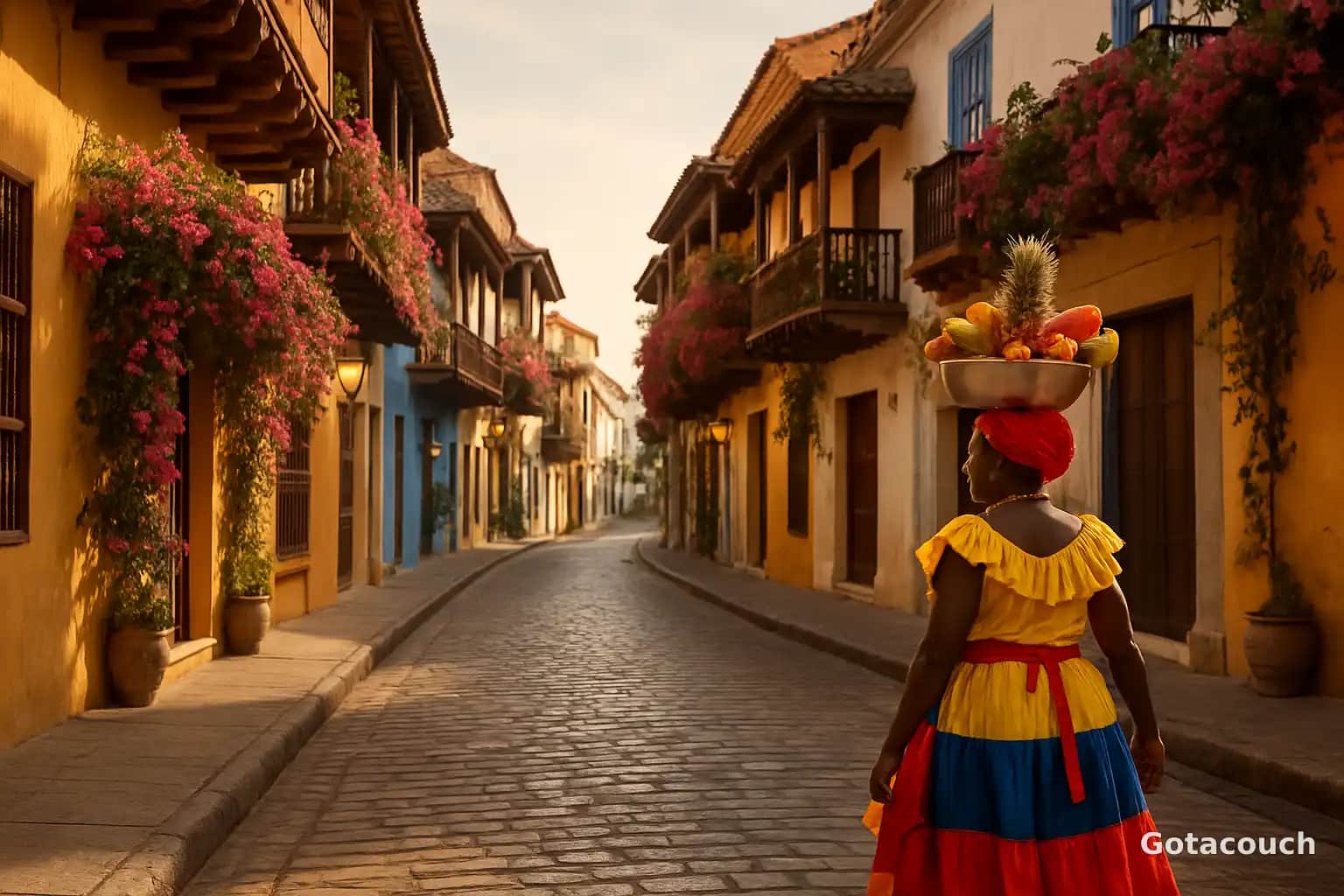
Cartagena de Indias: Walls Built Against Pirates, a Heart Beating to Afro-Caribbean Rhythm
October 14, 2026 at 3:07 PM
Cape Town Between Two Oceans: Layers of History, Colour and Cuisine Beneath Table Mountain
October 14, 2026 at 2:57 PM
Buenos Aires Block by Block: Tango Roots, Immigrant Dreams and the Rituals of Porteño Life
October 14, 2026 at 2:48 PM
Budapest, City of Two Souls: How Buda and Pest Became One Danube Capital
October 14, 2026 at 2:32 PM
Comments
Log in to leave a comment.
No comments yet.