Dakar, at the Tip of Africa: A Journey to the Heart of Senegalese Teranga
August 14, 2026 at 12:37 AM · Compte supprimé · Updated on August 16, 2026 at 11:25 AM
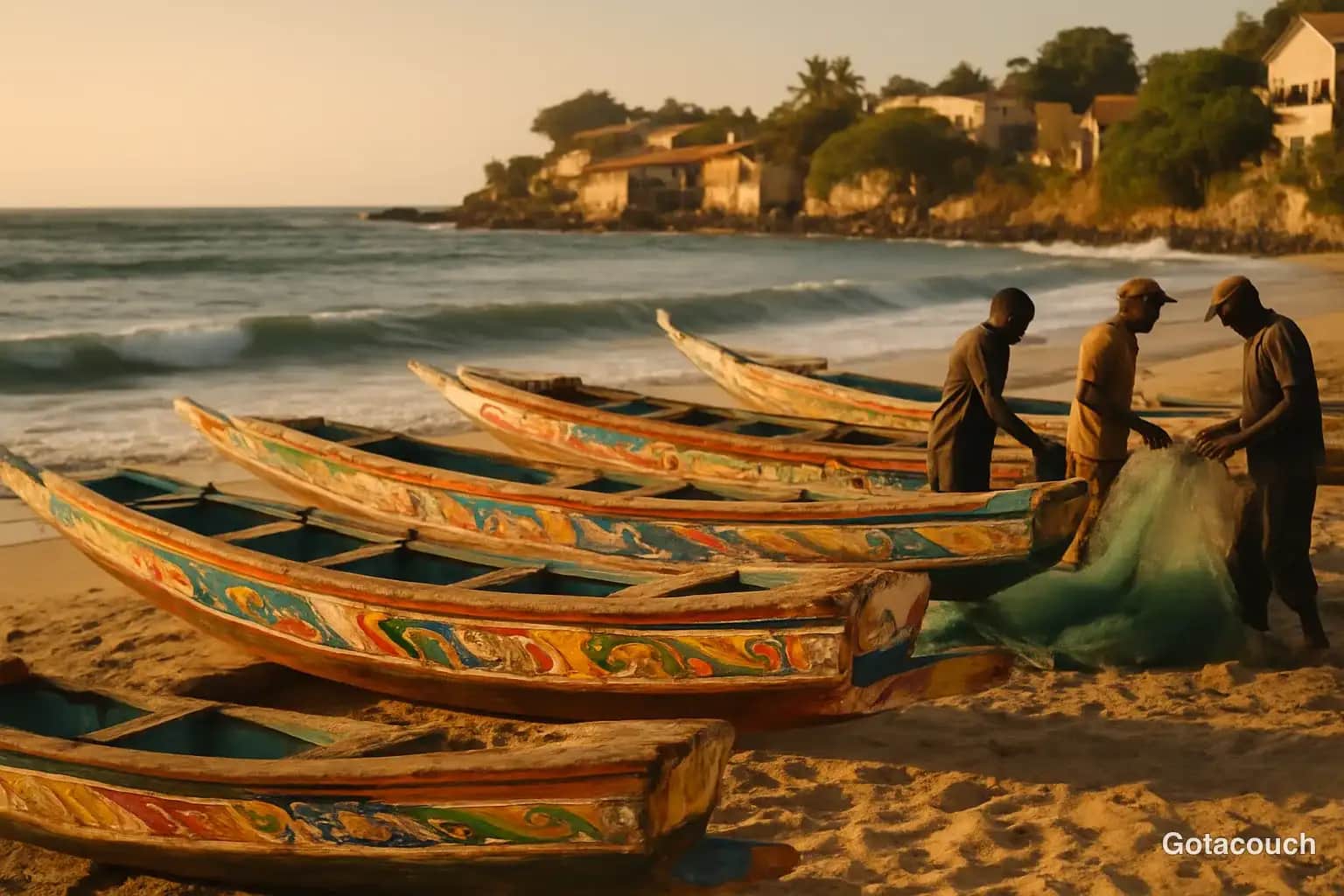
Perched on the Cap-Vert peninsula, at the westernmost tip of the African continent, Dakar refuses to be summed up in a single postcard. It's a city of deliberate contrasts: noisy markets and silent museums, fishing beaches and administrative skyscrapers, painful memory and overflowing creative energy. Staying with a local for the length of a visit means understanding why Senegalese people so often speak of teranga — a hospitality that isn't a tourism slogan but a way of living together.
From Lebu Origins to the Capital of French West Africa
Before becoming a metropolis facing the ocean, the Dakar peninsula was called Cap-Vert and had been settled by the Lebu people since the late 14th century. The city as we know it was officially born on May 25, 1857, when the French flag was raised over the territory under the authority of Lieutenant-Colonel Emile Pinet-Laprade and Louis Faidherbe. In 1902, Dakar became the capital of French West Africa: Governor-General Ernest Roume launched major urban works there, still visible today in the presidential palace, the Kermel market and the city hall. After independence was proclaimed on June 20, 1960, Dakar naturally kept its status as capital — this time of a sovereign Senegal.
At the scale of the administrative region, the population today exceeds four million according to the 2024 census — roughly a fifth of the national population. A figure that illustrates Dakar's central place in the country, even though it covers the region as a whole rather than the historic municipality alone.
The Many Faces of the Peninsula
Understanding Dakar starts with learning to tell its neighborhoods apart, each with its own atmosphere. The Plateau, the administrative and commercial heart, keeps a colonial architecture that's instantly recognizable. The Médina, founded in 1914 and long a neighborhood set aside for African populations during the colonial period, has turned that turbulent history into a strong identity, blending religious traditions, a spirit of resistance and grassroots creativity — it's one of the liveliest neighborhoods in the capital. Further north, the Atlantic shoreline shifts registers entirely: Ngor, with its fishing village and an island reachable in a few minutes by pirogue, draws surfers and fans of sheltered beaches, while Almadies and Mermoz cultivate a more residential, upscale feel. Between these two worlds, Yoff and the northern neighborhoods of the peninsula offer a more working-class density, far from the classic tourist circuits.
Gorée and the African Renaissance Monument: Two Memories Facing the Ocean
A short boat ride from the port of Dakar, Gorée Island imposes its silence. Occupied successively by the Portuguese, the Dutch, the English and then the French, its architecture contrasts the dark quarters built for enslaved people with the elegant houses of merchants. Listed as a UNESCO World Heritage site since 1978, it houses the House of Slaves, built in 1776, whose famous Door of No Return remains one of the most visited memorial sites in West Africa.
Back on the mainland, in Ouakam, stands an entirely different symbol: the African Renaissance Monument. Standing 52 meters tall, this bronze and copper sculpture by Virgil Magherusan crowns the Mamelles hills and depicts a couple and their child reaching toward the sky. Inaugurated on April 3, 2010 during the fiftieth anniversary of independence, the monument stirred fierce controversy at the time, its cost — 15 billion CFA francs, about 23 million euros — having been judged disproportionate by part of Senegalese public opinion. It nonetheless remains one of the most spectacular viewpoints over the city and the ocean.
Living Teranga and Senegalese Wrestling
Teranga isn't an abstract concept reserved for tourist brochures: it's a daily reality. Senegalese people place particular importance on relationships, often ahead of material things, and are quick to share their traditions with visitors. It's not unusual for a taxi driver or shopkeeper to invite a passing stranger to share a meal, celebrate a religious holiday, or simply meet their family. Accepting these invitations, learning a few words of Wolof, helping prepare a dish, or respecting everyday rituals — like washing your hands before eating — opens doors no guidebook can describe.
Another deeply local experience: watching a Senegalese wrestling match, or Laamb. On the sand, amid traditional dances, music and rituals around a special arena, wrestlers in traditional dress face far more than an opponent: wrestling plays a genuine economic role, with top champions becoming full-fledged, sponsored celebrities. A tournament at the Iba Mar Diop stadium, in the Médina, plunges you instantly into Dakar's popular fervor.
A Cultural Scene in Full Swing
Dakar has spent decades cultivating a contemporary creativity that hurried visitors rarely see. The Village des Arts, born in 1977 out of a simple squat organized by artist El Hadji Sy in an abandoned military camp, today brings together a community of visual artists in Yoff, in a setting formalized since 1998. The Museum of Black Civilizations, an idea first floated in 1966 by Léopold Sédar Senghor on the sidelines of the first World Festival of Black Arts, only opened its doors on December 6, 2018: its architecture, inspired by the impluvium huts of Casamance, spans 14,000 square meters and stands as one of the continent's most ambitious cultural showcases. On the Corniche Ouest, the Senghor House preserves the furniture and personal belongings of the poet-president, a witness to another facet of Senegalese history.
Markets and Flavors: Ceebu Jën as the Common Thread
There's no understanding Dakar without its markets. The Kermel market, in a building blending colonial and traditional influences, is a great place to dive into street food and local crafts. More working-class, the Sandaga market houses small eateries where, from dawn, huge pots of ceebu jën (thiéboudienne) simmer away — the national dish of rice and fish — expect to pay between 1,500 and 2,500 CFA francs for a generous, authentic plate. In the Médina, the Tilène market offers a rawer atmosphere, less polished for tourists, and is worth seeking out for those after everyday Dakar. Yassa, mafé and pastels naturally round out this culinary tour.
Escaping the Beaten Path
South of the city, the fishing village of Toubab Dialaw, backed by ochre cliffs, is gradually turning toward tourism without losing its authenticity. The Soumbédioune cove, with its traditional fishing port and craft village, remains largely spared by mass tourism. For travelers with more time, the Saloum Delta, a UNESCO World Heritage site, lets you explore bolongs, islets and mangroves by traditional pirogue, sample fresh oysters, and sleep in eco-lodges often run by locals.
Not-to-Miss Surroundings
Lake Retba, better known as the Pink Lake, sits about forty kilometers from Dakar — a little over an hour's drive — and supports around 2,000 people through salt extraction. Its famous pink hue, damaged by the 2022 floods, has reappeared intermittently since March 2025: it's worth checking locally before heading out, as the color is no longer guaranteed year-round. Madeleine Island, reachable by boat, is home to a small national park and varied marine wildlife. Finally, Ngor Island remains the essential gathering spot for surfers and fans of a preserved village atmosphere, just steps from the urban bustle.
When to Visit Dakar
The dry season, from November to May, remains the most comfortable time to visit the city, with little rain and plenty of sun. Spring brings mild temperatures, between 19°C and 27°C, ideal for wandering through markets and visiting museums without suffering from the heat. Summer, reaching up to 31°C in August, heralds the arrival of the rainy season: most rainfall falls between July and October, a period best avoided for a peaceful urban stay. December to March is arguably the most pleasant window, combining mild weather with clear skies.
Practical Tips Before You Go
- French, Belgian and Swiss nationals don't need a visa for stays under 90 days, provided they can show a return ticket.
- Yellow fever vaccination is mandatory; hepatitis A and B, typhoid and meningitis vaccines are recommended, along with malaria prophylaxis, as Senegal is a malaria zone.
- The local currency is the CFA franc (XOF), pegged at a fixed rate of about 1 euro to 655.96 XOF.
- It's advisable to avoid traveling alone at night in isolated neighborhoods and to favor official taxis.
- When it comes to food, it's best to drink bottled water with a sealed cap, avoid ice cubes, and favor thoroughly cooked dishes.
- In markets like Sandaga or Kermel, haggling over prices is part of the game and even expected by sellers.
How Long to Stay
Three to four days are enough to discover the essentials of Dakar: the Plateau, the Médina, Gorée and a trip to the Pink Lake. To broaden the horizon toward the Petite Côte or the Sine Saloum, about ten days allows you to explore a single region of the country in depth. Travelers wishing to combine Dakar, Saint-Louis, the Sine Saloum and Casamance would do better with a two-week itinerary — the best way to gauge just how much Senegal is never limited to its capital alone.
Leaving Dakar
You don't visit Dakar the way you tick off a list of monuments: you come for the impromptu conversations on a ferry to Gorée, for the smell of grilled fish on Ngor beach, for the energy of a wrestling match on a Sunday afternoon. It's precisely this spirit that staying with a local lets you carry beyond a simple tourist stop: sharing mint tea, learning a couple of words of Wolof, understanding from the inside what the people of Dakar simply call teranga.
Articles to discover
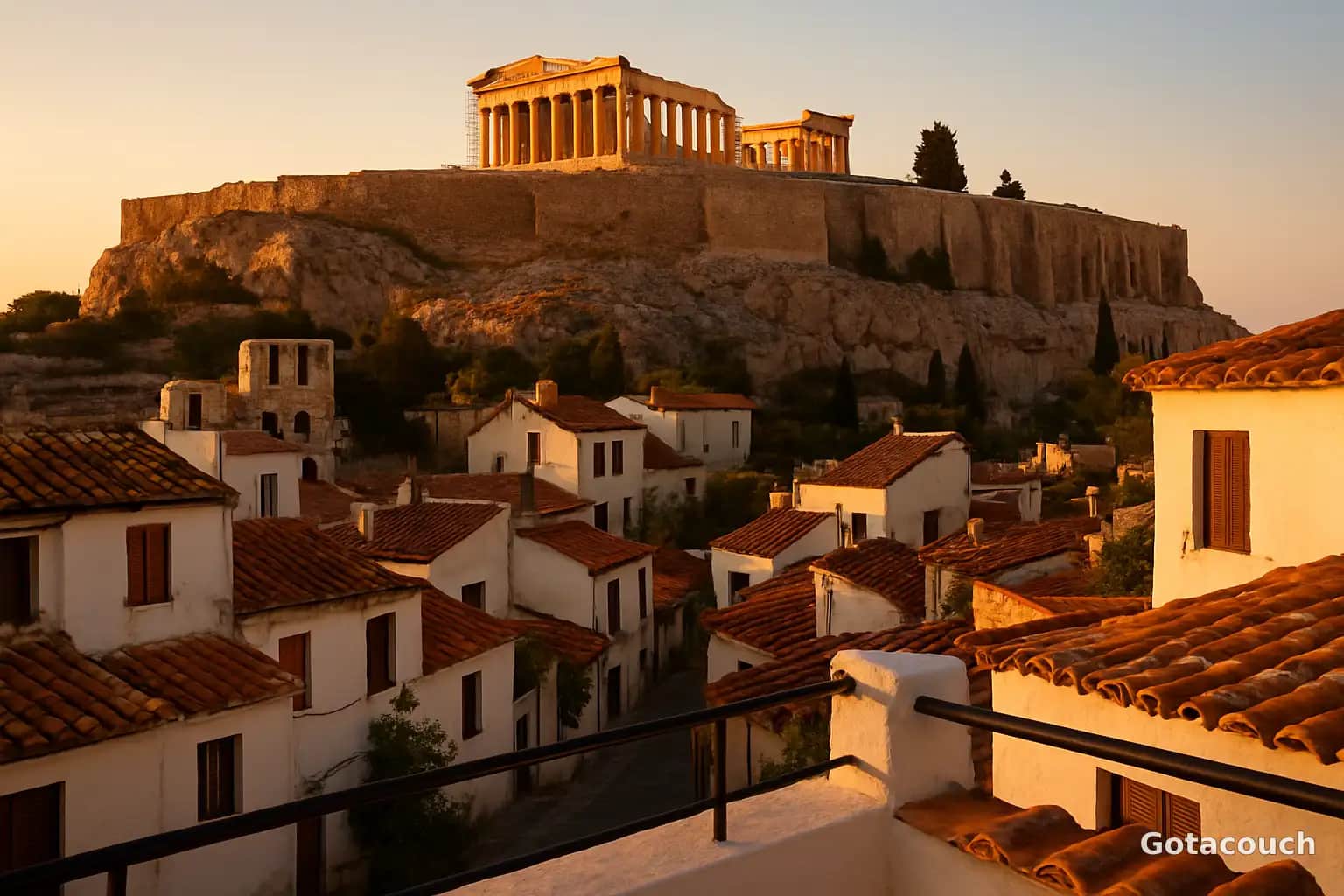
Athens Neighborhood by Neighborhood: Marble Ruins, Cycladic Alleys and Rooftop Ouzo Beneath the Acropolis
September 21, 2026 at 12:20 PM
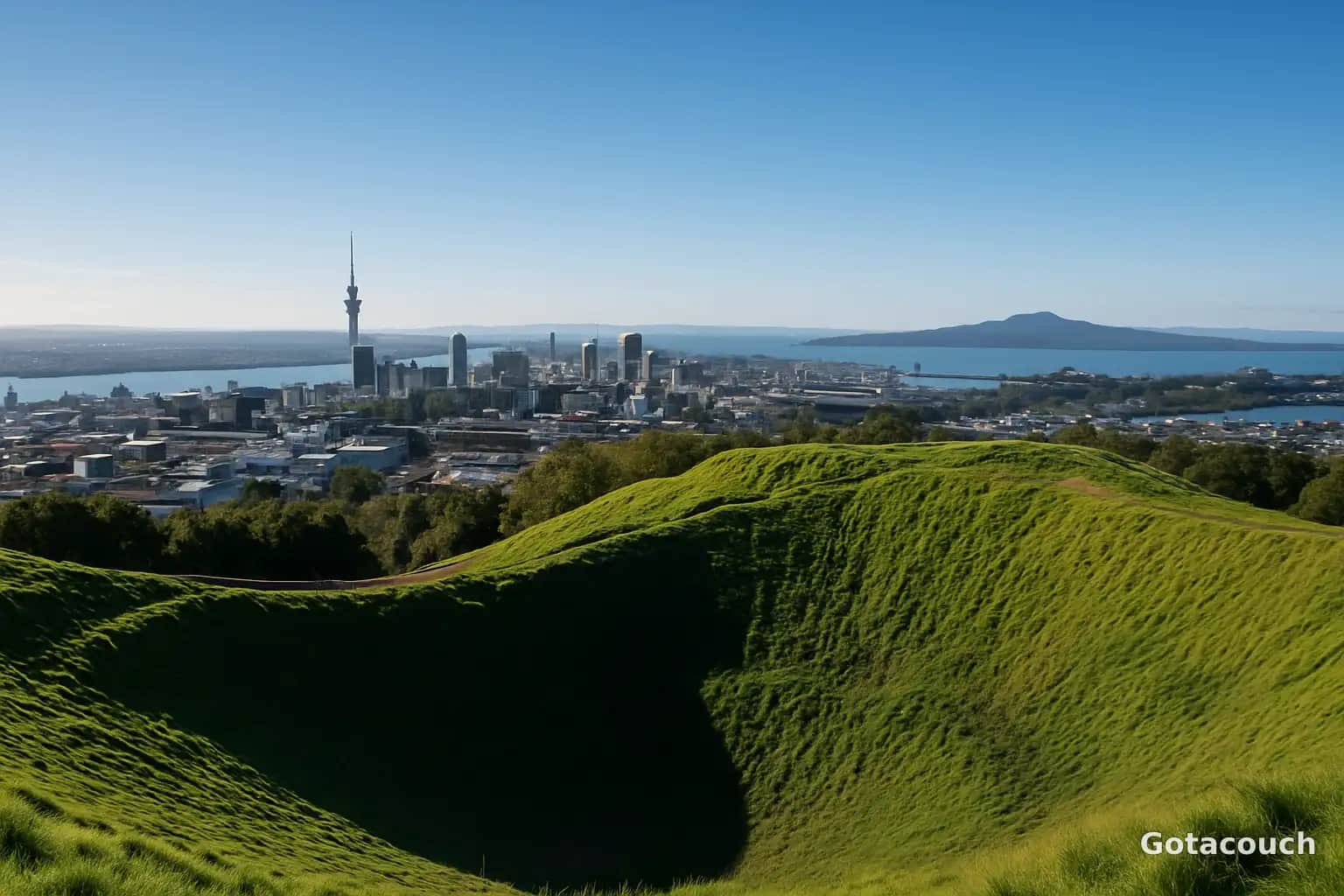
Auckland, City of Volcanoes and Sails: Where Māori Heritage Meets the Pacific Soul of New Zealand
September 19, 2026 at 8:06 PM
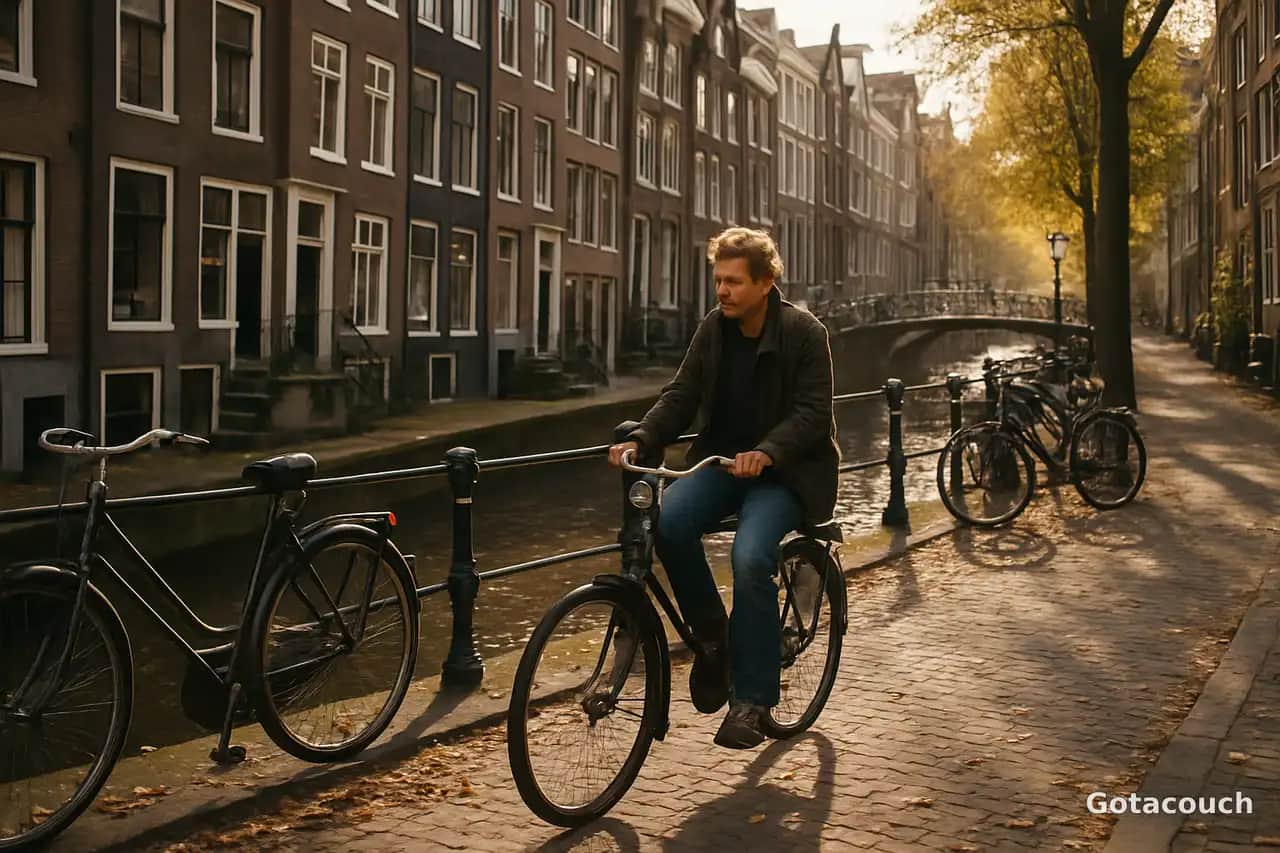
Amsterdam Beyond the Canals: Cycling Through Neighborhoods, Markets and the Dutch Art of Everyday Life
September 19, 2026 at 8:55 AM
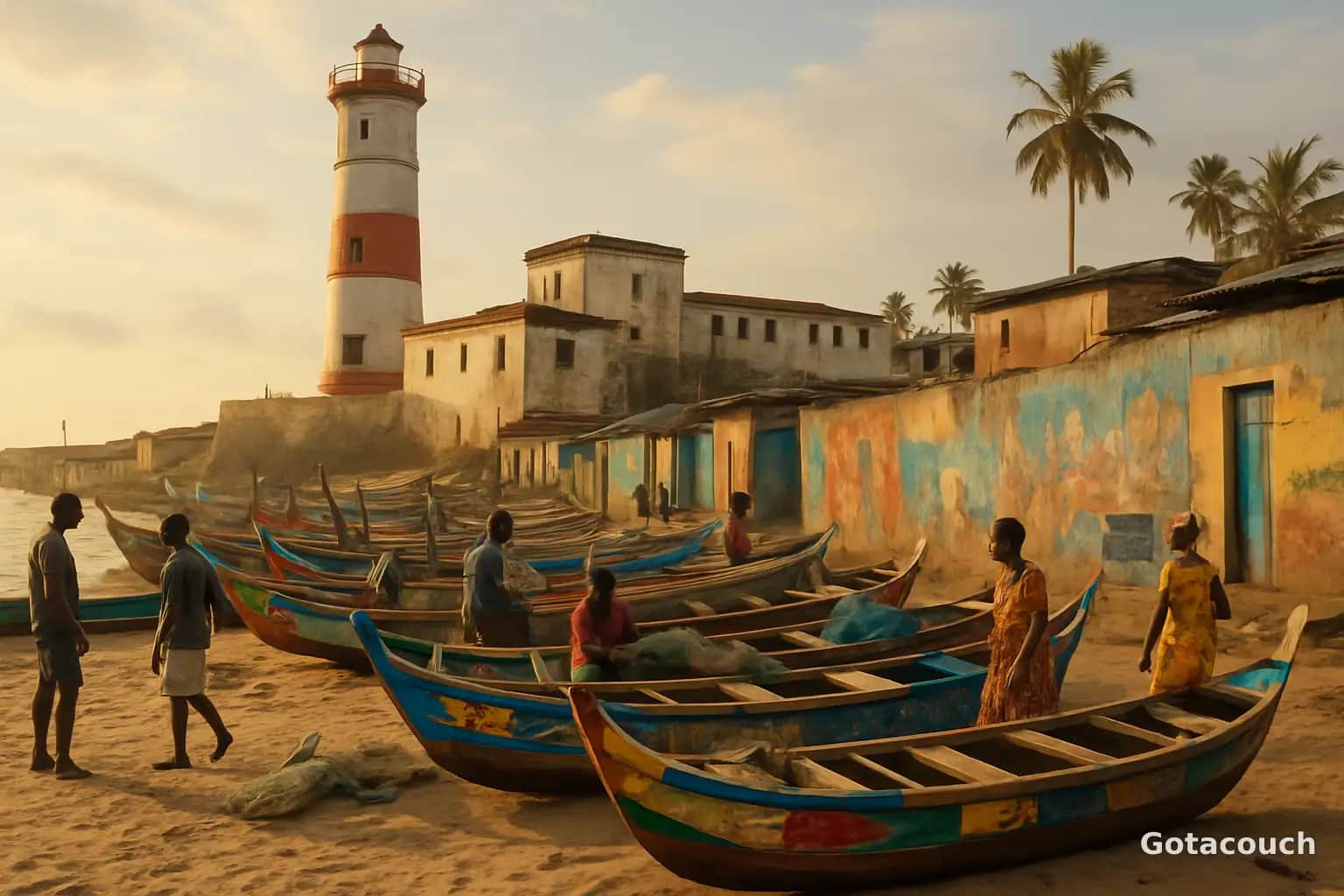
Accra, the Ghanaian capital that carried Africa's independence: Jamestown, Osu and the Ga soul
September 5, 2026 at 12:58 AM
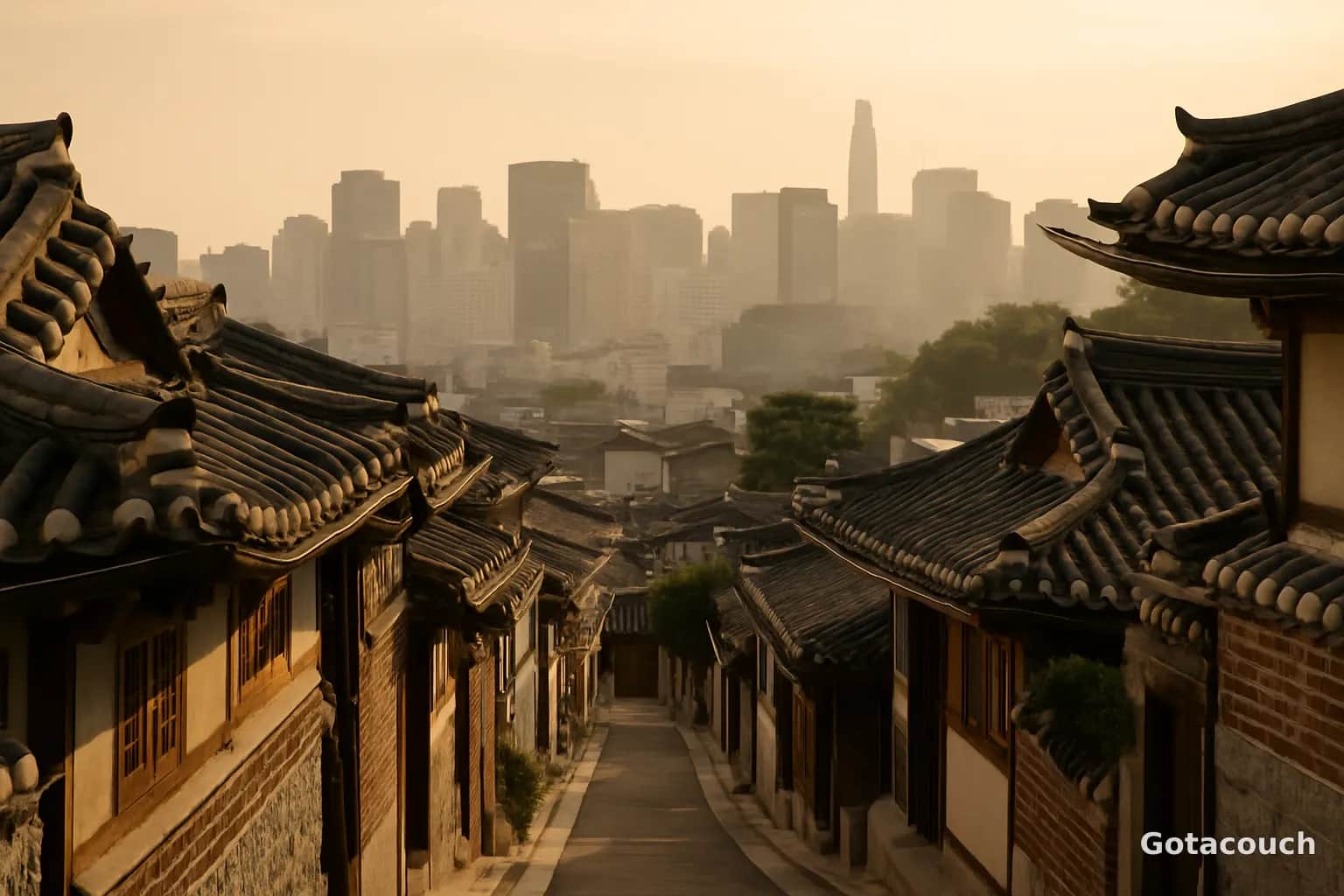
Seoul, a City of Two Faces: Royal Palaces, Futuristic Neon and Hallyu Culture Along the Han
September 2, 2026 at 8:05 AM
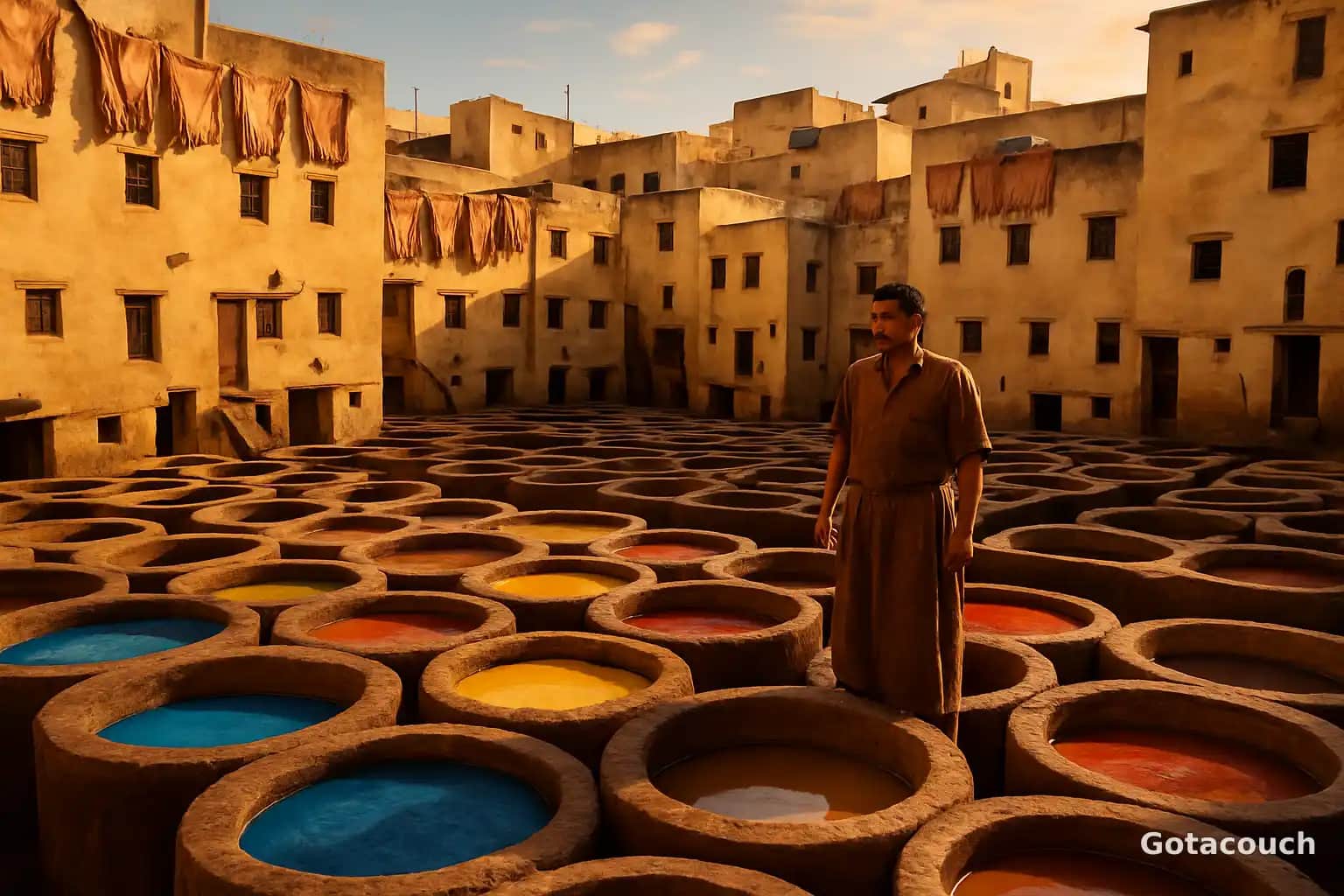
Fez, the Idrisid City Where You Learn to Slow Down: A Millennial Medina, Living Craftsmanship and Andalusian Flavors
September 1, 2026 at 8:04 PM
Comments
Log in to leave a comment.
No comments yet.