Florence, a living workshop of the Renaissance: neighborhoods, artisans and Tuscan tables along the Arno
August 31, 2026 at 8:04 PM · Compte supprimé
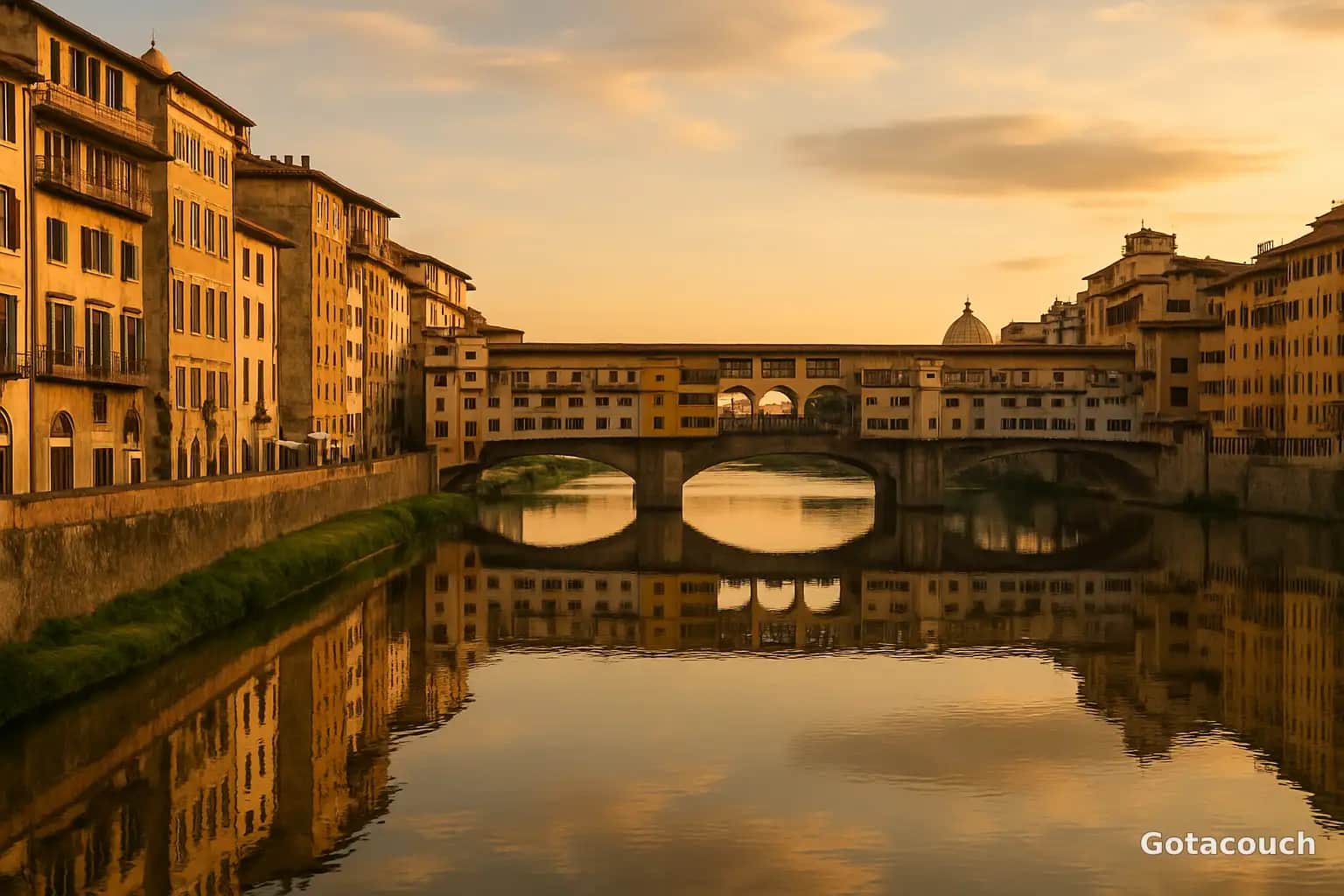
There are cities one visits, and cities one inhabits for a few days. Florence belongs to this second category. Of course, there's the Duomo, the Uffizi, Michelangelo's David — essential stops, magnificent ones, that shouldn't be overlooked. But the real Florence, the one that lingers in memory long after returning home, hides elsewhere: in the sound of hammers from a goldsmith's workshop in the Oltrarno, in the smell of bistecca grilling over coals, in the joyful shouts of a bustling market where you never touch the tomatoes unless invited to. Here is an invitation to discover Florence as its residents would: at eye level, between two alleyways, a glass of Tuscan wine in hand.
A Renaissance capital born of Medici ambition
It's impossible to understand Florence without mentioning the dynasty that shaped it for more than two centuries: the Medici. It all begins with Cosimo the Elder, the family's first great patron, who financed artists like Donatello and Fra Angelico, laying the groundwork for a tradition where art became both an instrument of prestige and a shared passion. This movement found its architect, quite literally: it was largely thanks to Filippo Brunelleschi and the early 15th-century pioneers of architecture that Florence became the city of the Renaissance, idealized by humanists.
Medici power was consolidated in 1530, when Emperor Charles V, backed by Pope Clement VII, took the city and named his son-in-law Alessandro de' Medici hereditary duke. From then on, the family ruled Florence for more than two centuries, until the line died out in 1737, causing Tuscany to fall under Austrian rule, and later become part of the unified Kingdom of Italy in 1861. A delightful detail few travelers know: Florence was briefly the capital of Italy in 1865, before Rome took that status away six years later.
The historic center, a monumental UNESCO-listed jewel
The heart of Florence is organized around Piazza della Signoria, one of the most iconic and historically significant squares in Italy, inscribed as a UNESCO World Heritage Site in 1982. All around, the must-sees follow one another: the Duomo and its dome designed by Brunelleschi, topped by Giotto's bell tower; the Uffizi Gallery, one of the most famous art collections in the world, home to The Birth of Venus and The Adoration of the Magi; the Palazzo Vecchio, a Gothic fortress-like silhouette dominated by the Arnolfo Tower, which rises 94 meters high.
Not far away, the Ponte Vecchio remains the most photographed image of the city: this medieval bridge with three stone arches, the widest spanning about 30 meters, was the only Florentine bridge to escape destruction during the German troops' retreat in World War II. A few streets away, the Accademia Gallery houses Michelangelo's David and ranks as the second most visited museum in the city, just behind the Uffizi.
Santa Croce and San Lorenzo, between monuments and popular craftsmanship
East of the center, the Santa Croce district blends monumental grandeur with neighborhood life. Residential, working-class and endearing, it retains a strong tradition of leather craftsmanship: for several centuries, leatherworkers there have given a second life to dried and tanned hides, perpetuating know-how passed down from generation to generation. Its basilica, the largest Franciscan church in the world, holds the tombs of many figures who shaped Italian history.
Further north, San Lorenzo is structured around its covered market and the Medici chapels, while the Mercato Centrale, a 19th-century market, offers a traditional ground floor and an upper floor turned into a food hall largely geared toward visitors.
The Oltrarno, the other bank where Florence's popular heart beats
Crossing the Arno changes everything. On the left bank, the Oltrarno brings together three neighborhoods less touristy than the center: Santo Spirito, San Niccolò and San Frediano, which reveal a Florence that is at once working-class, authentic and lively as night falls. It is in San Frediano, immortalized by the realist writer Vasco Pratolini, that the heart of old Florence still beats — a neighborhood where the Florentine dialect was long spoken and where countless artisan workshops remain, some in operation for centuries.
Walking through it means crossing paths with antique dealers, sculptors and goldsmiths like those at the Alessandro Dari workshop, ready to chat about their craft. It also means discovering Piazza della Passera, a charming square tucked into Santo Spirito, far from the tourist flow, or venturing to the Brancacci Chapel, inside the church of Santa Maria del Carmine: a pure masterpiece adorned with frescoes by Masolino, Masaccio and Filippino Lippi, still overlooked by many rushed visitors.
Experiencing the market like a true Florentine
While the Mercato Centrale charms tourists with its polished food hall, it's at the Mercato di Sant'Ambrogio, in Santa Croce, that the true popular pantry of Florentines is revealed: cheaper, less crowded, it operates according to very specific rules. Here, touching fruits and vegetables is seen as unhygienic — it's better to point out the items you want and let the vendor bag them for you. Just inside, the Trattoria da Rocco serves popular Tuscan dishes like trippa alla fiorentina at communal tables, a convivial experience well worth trying.
Bistecca, calcio storico and the soul of Florence
On the culinary front, Florence has a signature dish: bistecca alla fiorentina, a thick grilled beef chop, often from Chianina cattle, served rare and generously portioned. It's best enjoyed in a family-run trattoria, paired with a glass of Chianti.
As for traditions, nothing matches the fervor of calcio storico fiorentino, an ancient and remarkably physical sport in which four teams representing the historic districts compete, with the final played on June 24th for the feast of Saint John the Baptist, the city's patron saint. At Easter, the Scoppio del Carro sees an antique cart escorted by soldiers, musicians and flag-throwers to the square between the Cathedral and the Baptistery. These celebrations, like the Festa della Rificolona, have roots stretching back to time immemorial and draw thousands of residents and curious onlookers every year.
Places that still escape the crowds
For a view without the crowds of Piazzale Michelangelo, head to the Basilica of San Miniato al Monte, which offers a comparable panorama in a far more peaceful atmosphere, complemented by the tranquil Rose Garden. The Bardini Gardens, less frequented than those of Boboli, are also worth the detour for their view and quiet. Finally, the Officina Profumo-Farmaceutica di Santa Maria Novella, one of the oldest apothecary shops in Europe, in operation since at least the 13th century, deserves a visit for its decor and its scents from another era.
Around Florence: Fiesole, Chianti and the surrounding Tuscan countryside
About ten kilometers away, accessible by tram, Fiesole was founded by the Etruscans in the 7th century BC and remained a thriving city until its Florentine neighbor's rise; today one can visit a Roman theater and remnants of Etruscan walls, with a splendid view over the valley. Further south, the Chianti region has inspired many artists with its landscapes, villages like Greve in Chianti or Radda, and its great wines. Siena, San Gimignano and Pisa classically round out a Tuscan stay as day trips, while the more distant Cinque Terre remain accessible for travelers with a full day to spare.
When to go and how long to stay
The best times to discover Florence run from mid-April to mid-June, then in September, with pleasantly warm and bright days. To avoid crowds, it's best to favor March to June or September to November. Summer, though lively, turns the city into a veritable Renaissance Disneyland where heat and crowds combine; winter, cooler and damper, offers in return a welcome calm for those not afraid of temperatures around 2 to 11°C.
As for length of stay, a two-day weekend is enough to stroll across the Ponte Vecchio and admire the Duomo; three days allow you to discover the major attractions, including the Uffizi and the Accademia. To experience Florence unhurried and fit in a trip to Fiesole or Chianti, plan on four to five days instead.
Practical tips for a smooth stay
- Stay alert for pickpockets, particularly active around Piazza del Duomo, the Uffizi Gallery and the Ponte Vecchio: keep your bags closed and worn in front of you.
- At the Sant'Ambrogio market, let vendors choose and bag your fruits and vegetables rather than handling them yourself.
- Book your tickets for the Uffizi and the Accademia online in advance to avoid long lines.
- Choose accommodation in the Oltrarno for a more local experience, just a few minutes' walk from the historic center.
- Take advantage of staying with a local host to exchange tips with Florentines about their favorite spots, often missing from standard guidebooks.
Florence is not simply a checklist of masterpieces. It's a city where the Renaissance continues to live on in the gesture of an artisan, the ritual of a market, the fervor of a calcio storico match. By choosing to stay with a local host rather than in an anonymous hotel, you gain far more than a roof over your head: a gateway into this intimate Florence, the one that guidebooks only tell half of.
Articles to discover
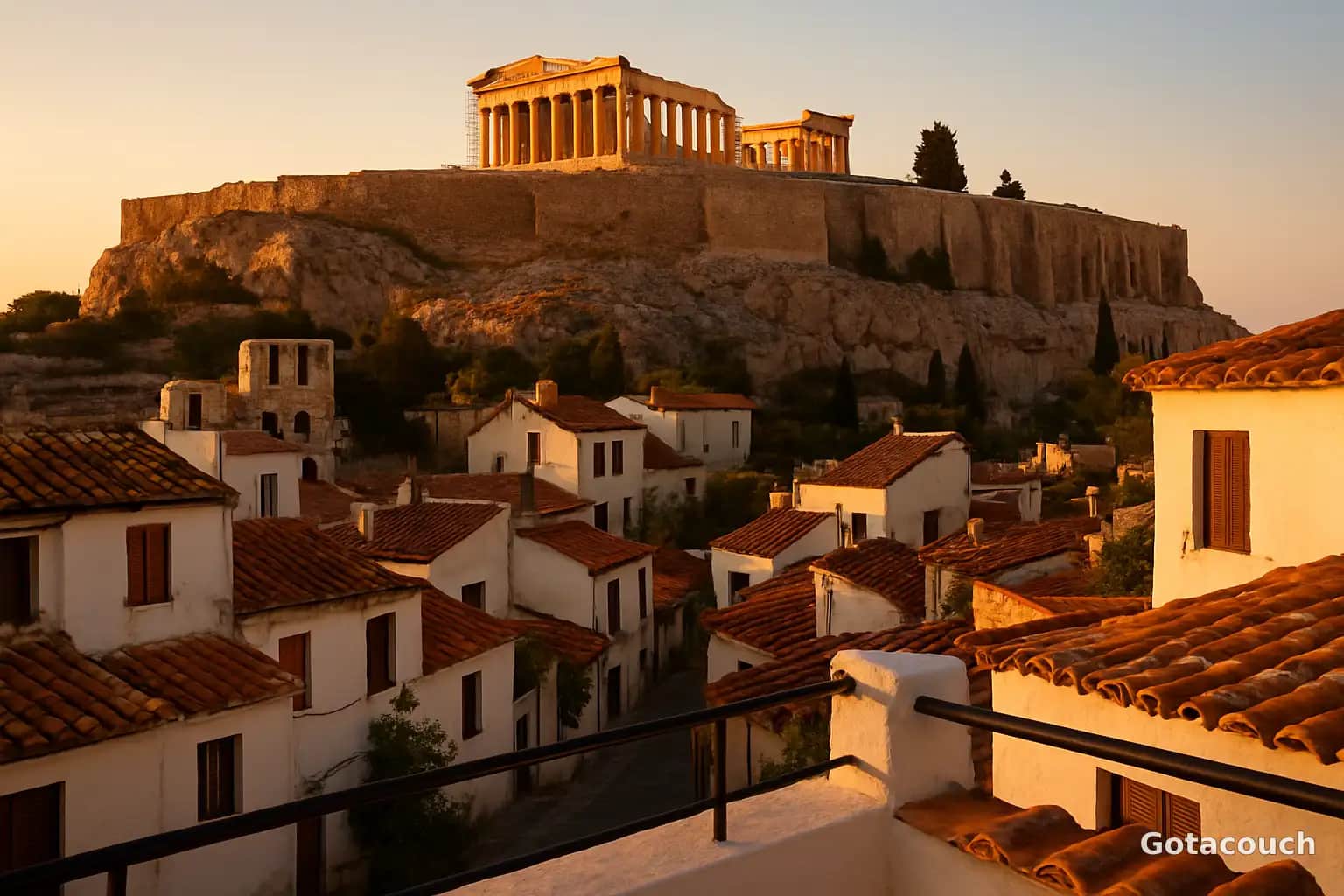
Athens Neighborhood by Neighborhood: Marble Ruins, Cycladic Alleys and Rooftop Ouzo Beneath the Acropolis
September 21, 2026 at 12:20 PM
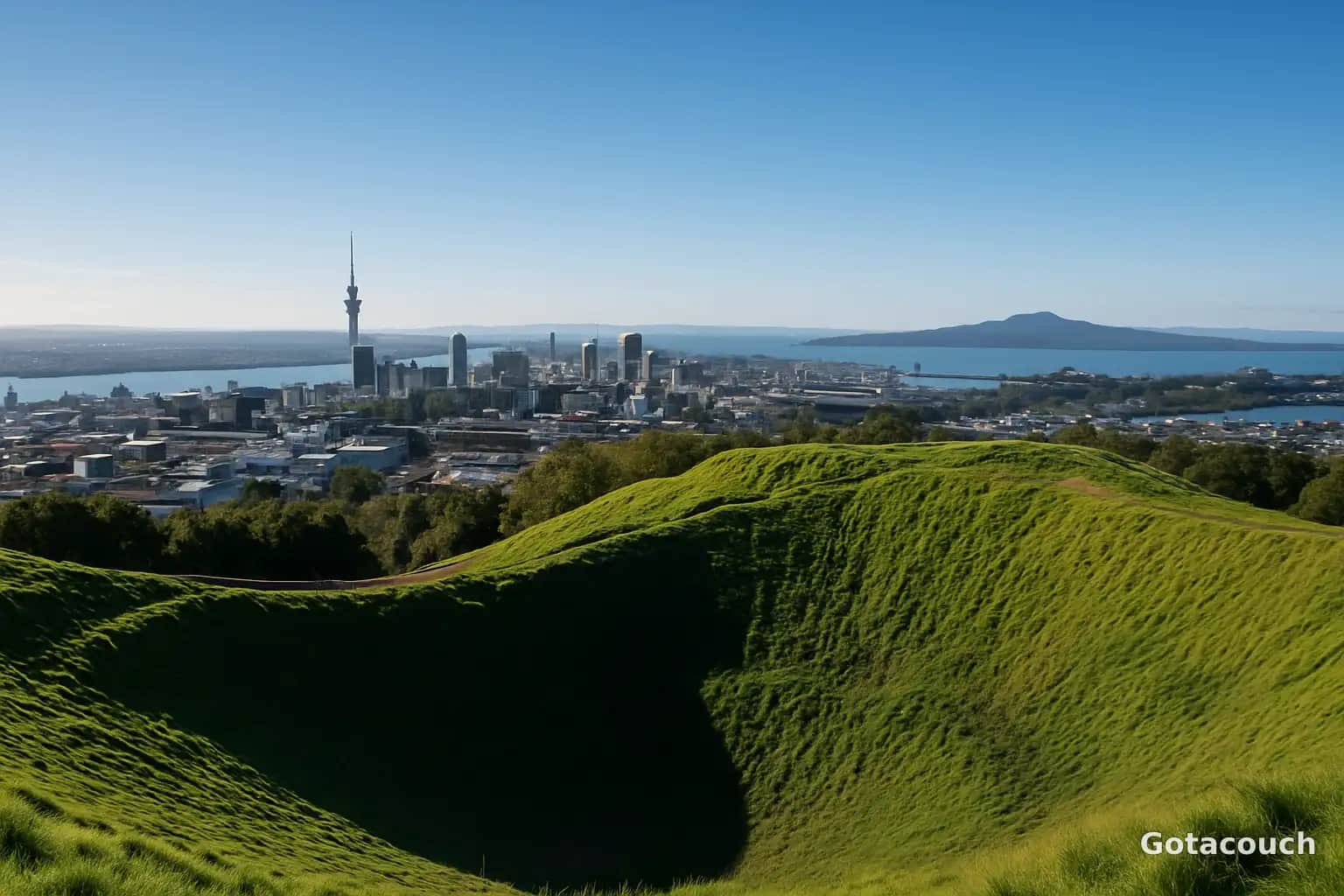
Auckland, City of Volcanoes and Sails: Where Māori Heritage Meets the Pacific Soul of New Zealand
September 19, 2026 at 8:06 PM
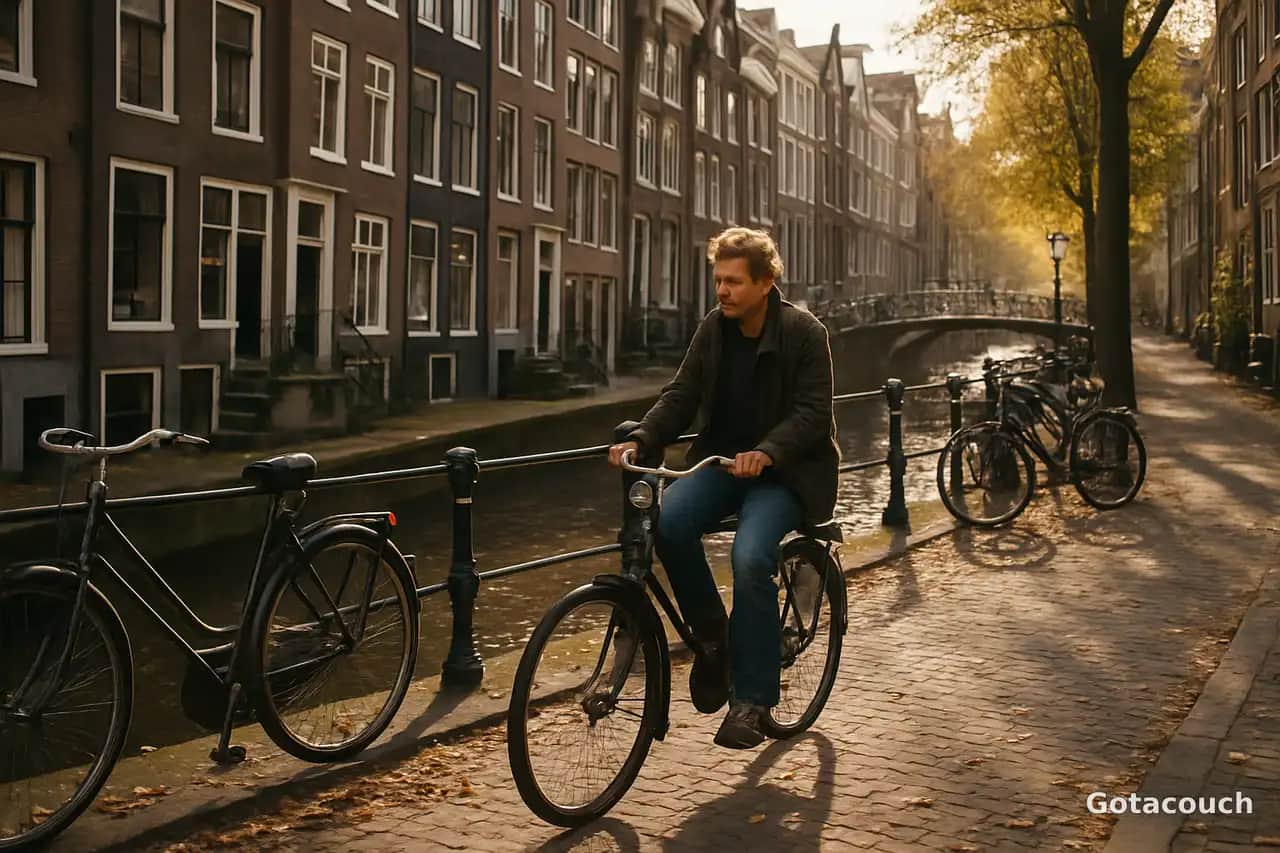
Amsterdam Beyond the Canals: Cycling Through Neighborhoods, Markets and the Dutch Art of Everyday Life
September 19, 2026 at 8:55 AM
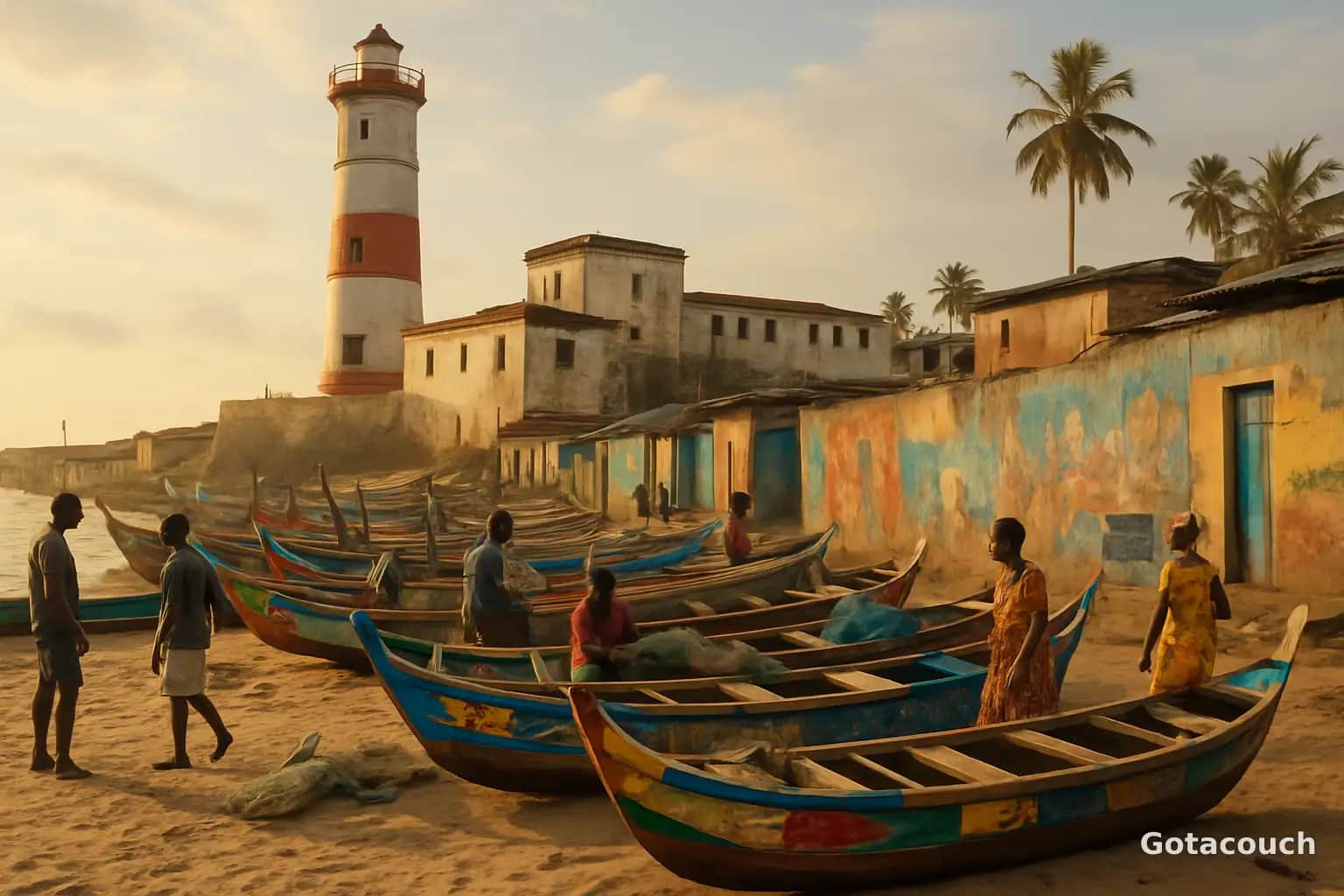
Accra, the Ghanaian capital that carried Africa's independence: Jamestown, Osu and the Ga soul
September 5, 2026 at 12:58 AM
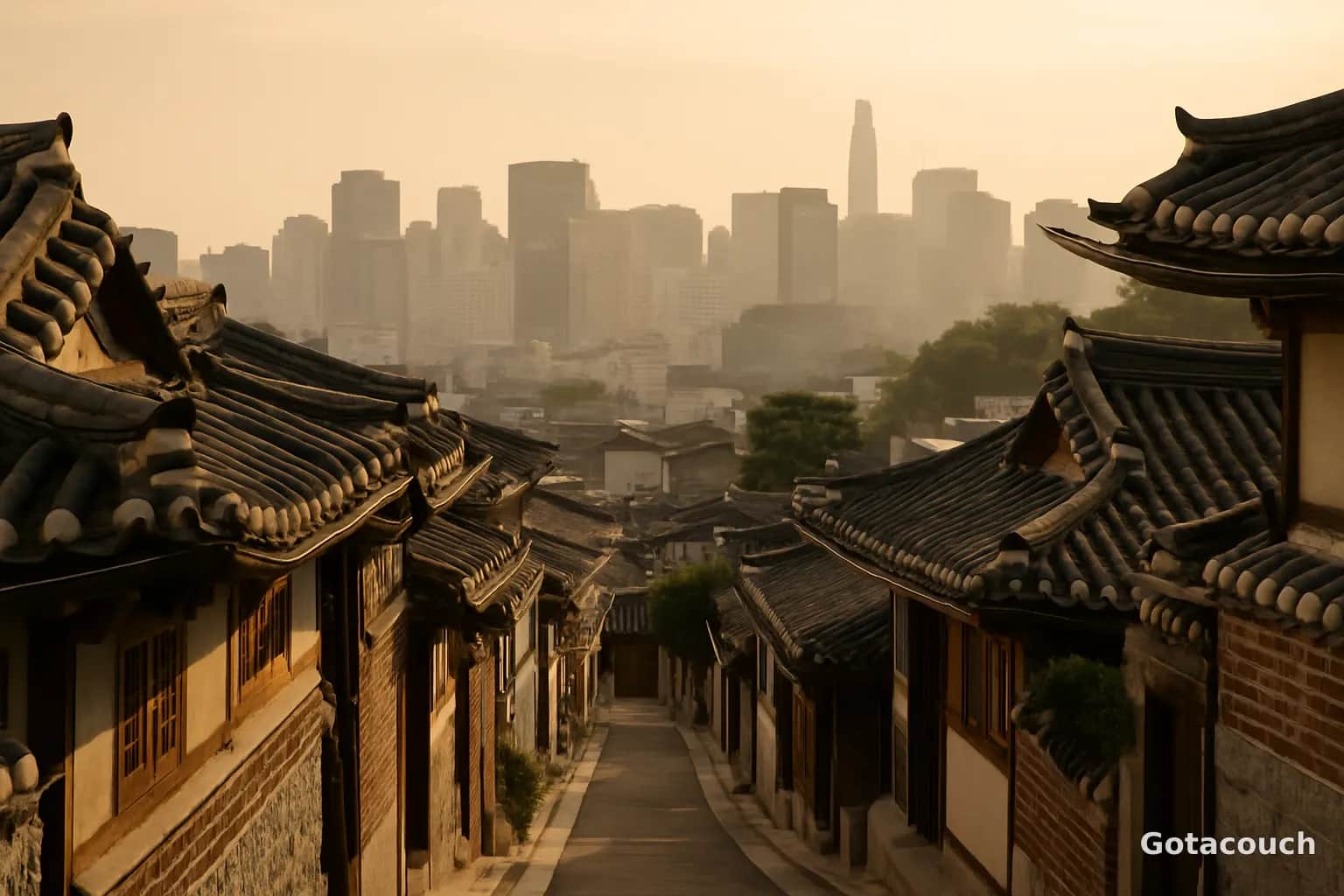
Seoul, a City of Two Faces: Royal Palaces, Futuristic Neon and Hallyu Culture Along the Han
September 2, 2026 at 8:05 AM
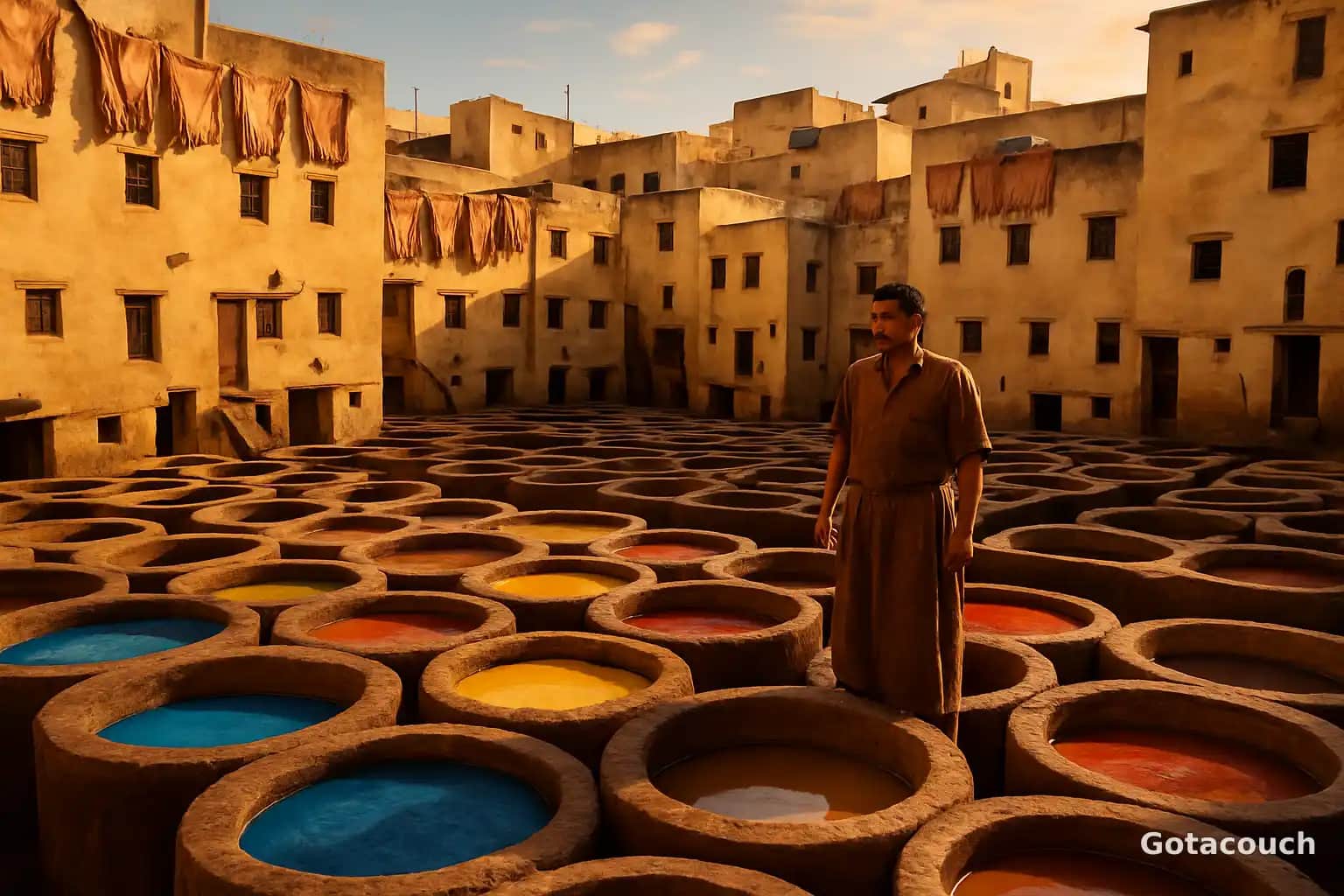
Fez, the Idrisid City Where You Learn to Slow Down: A Millennial Medina, Living Craftsmanship and Andalusian Flavors
September 1, 2026 at 8:04 PM
Comments
Log in to leave a comment.
No comments yet.