How to Welcome a Traveler Into Your Home: A Guide to Being a Great Host
October 4, 2026 at 11:38 AM · Layadi FD

Hosting Is About More Than Providing a Place to Sleep
When people think about hosting a traveler, the first thing that usually comes to mind is the space available.
A couch.
A spare bed.
A guest room.
But genuine hospitality does not depend on the size of your home or how luxurious it is.
What matters most is how you make someone feel when they walk through your door.
A traveler may quickly forget what the room looked like.
But they may remember a conversation, a shared meal, useful local advice, or simply the feeling of being genuinely welcomed.
That is what turns accommodation into a human experience.
You Do Not Need a Perfect Home to Become a Host
One of the most common misconceptions is that you need a large house or a private guest room to host travelers.
You do not.
You may be able to offer:
a couch;
an extra bed;
a spare room;
a mattress;
a simple sleeping space for one or two nights.
What matters is being completely honest about what you can offer.
If a traveler knows in advance that they will be sleeping on a couch in the living room, they can decide whether that works for them.
Hospitality works best when expectations are clear.
Honesty matters more than luxury.
Make the Conditions Clear Before Accepting a Stay
Before confirming a stay, it is useful to discuss a few basic details.
For example:
How many nights can the traveler stay?
What time do people in the household usually wake up or go to bed?
Are there pets?
Is smoking allowed?
Can the guest use the kitchen?
Are there other people living in the home?
Is there a preferred time to return at night?
Will the traveler have a key?
You do not need to turn the conversation into a long list of rules.
But the clearer expectations are before arrival, the less chance there is of misunderstanding later.
Read the Traveler’s Profile Carefully
Before welcoming someone into your home, take a few minutes to learn about them.
Read their introduction.
Look at their interests.
Check the information available on their profile.
If the community provides verification, references, or previous interactions, review them.
You can also exchange a few messages before accepting the stay.
Ask why they are visiting your city.
Ask what they hope to experience.
Ask approximately when they expect to arrive.
The goal is not to interrogate the person.
It is simply to make sure that both of you understand the kind of experience you are about to share.
Learn to Say No
Being hospitable does not mean accepting every request.
You are always allowed to decline.
The dates may not work.
You may need some quiet time.
The traveler’s profile may not provide enough information.
Or something simply may not feel right.
You do not need to give a long explanation.
A short and respectful answer is enough.
For example:
“Thank you for your message. Unfortunately, I won’t be able to host you this time. I hope you find a great place to stay.”
Hospitality should always be voluntary.
If hosting someone already feels uncomfortable before they arrive, it is usually better to decline.
Prepare a Simple but Clean Space
You do not need to turn your home into a hotel.
But cleanliness matters.
Before the traveler arrives, make sure the sleeping area is reasonably clean and ready.
You may want to provide:
clean sheets;
a blanket;
a pillow;
access to a clean bathroom;
somewhere to leave a backpack or suitcase;
basic information about the home.
Small details can immediately make someone feel more comfortable.
Explain How Your Home Works
Every household has its own habits.
When your guest arrives, take a few minutes to explain the essentials.
Show them where the bathroom is.
Explain whether they can use the kitchen.
Show them where they can leave their belongings.
Mention any important household rules.
If other people live with you, introduce them when appropriate.
Something that seems obvious to you may not be obvious to someone entering your home for the first time.
A few minutes of explanation can prevent many misunderstandings.
Respect Goes Both Ways
A traveler should respect your home, your time, and your boundaries.
But hosting also means respecting your guest.
Do not pressure them to spend every moment with you.
Some travelers may want to explore the city independently.
Others may be tired after a long journey.
Some may enjoy long conversations, while others may need more personal space.
Hospitality should not create an obligation.
The best experiences happen when both host and traveler feel free and comfortable.
Share Your Local Knowledge
You know something that most visitors do not:
you know your city from the inside.
You probably know which places are genuinely worth visiting.
You may know a small café tourists rarely discover.
A neighborhood with a great atmosphere.
A local market.
A walking route.
A restaurant where residents actually eat.
A viewpoint that does not appear on every travel website.
Sharing this knowledge can completely change a traveler’s experience.
You do not need to become a professional guide.
Sometimes a simple sentence such as:
“If you have time tomorrow morning, walk through this neighborhood.”
can lead to one of the best moments of their trip.
You Do Not Have to Entertain Your Guest All Day
Some new hosts believe they must constantly entertain their guest.
That can quickly become exhausting.
You are offering hospitality, not a full-time guided tour.
It is perfectly normal to have work, family responsibilities, appointments, or personal plans.
Tell your guest what your schedule looks like.
Perhaps you can spend the evening together but not the afternoon.
Perhaps you can show them around on Saturday but not during the week.
Clear communication allows both people to organize their time.
A Shared Meal Can Create a Powerful Connection
Food is one of the simplest ways to bring people together.
You do not need to prepare an elaborate dinner.
A simple homemade meal can become one of the most memorable parts of a stay.
You could prepare something from your culture.
Your guest could cook something from theirs.
Or you could simply have breakfast together.
Around a table, conversations often become more natural.
People exchange stories.
They talk about their families.
Their countries.
Their travels.
Their traditions.
A simple meal can turn two strangers into people who genuinely know something about one another.
Cultural Differences Are Part of the Experience
People from different countries may have very different habits.
Meal times can be different.
Ideas about personal space can be different.
Communication styles can be different.
What is considered polite in one culture may seem unusual in another.
These differences do not necessarily create problems.
They can actually become one of the most interesting parts of hosting.
Ask questions.
Explain your own customs.
Avoid assuming that your way of doing something is universal.
Hosting gives you the opportunity to discover another culture without leaving your own city.
Boundaries Are Healthy
Being welcoming does not mean giving up your privacy.
It is perfectly acceptable to establish boundaries.
You may have rooms that are private.
You may not want guests to bring other people into your home.
You may need quiet after a certain hour.
You may prefer guests to stay only a limited number of nights.
These boundaries should be communicated clearly and respectfully.
Good hospitality is not about saying yes to everything.
It is about creating an environment where both people know what is comfortable and acceptable.
Safety and Trust Matter
Opening your home to someone requires trust.
Take the time to review the information available before accepting a guest.
Communicate before the stay.
Ask questions when something is unclear.
If your household includes other people, make sure they are comfortable with the arrangement as well.
And trust your own judgment.
If something makes you uncomfortable, you are allowed to decline or end the arrangement.
Profiles, verification systems, references, and community tools can help people make better decisions.
But technology cannot replace personal responsibility.
Trust should be built gradually.
Do Not Expect Anything in Return
Free hospitality should not create hidden obligations.
If you choose to host someone, do not assume they owe you money, gifts, entertainment, favors, or anything else that was never agreed upon.
The traveler may choose to cook, help around the house, bring a small gift, or invite you for coffee.
Those gestures can be appreciated.
But they should remain voluntary.
Hospitality is most meaningful when generosity is genuine.
Give Your Guest Some Independence
A good host helps a traveler feel welcome without making them dependent.
Show them how to get around.
Explain nearby public transportation.
Share a few useful places.
Make sure they know how to contact you if necessary.
Then allow them to explore.
Sometimes the best hosting experience is a balance between spending time together and giving each other space.
The Traveler May Become Part of Your Story Too
Hosting is not only something you give to another person.
It can also give something back to you.
You may learn about a country you have never visited.
You may discover another language.
You may hear stories that change your perspective.
You may make a friend on the other side of the world.
You may even find yourself visiting that person years later.
Travel does not always require getting on a plane.
Sometimes travel begins when someone from another part of the world enters your home.
Start Small
If you have never hosted before, you do not need to begin with a week-long stay.
Start with something simple.
One traveler.
One night.
Maybe two.
See how the experience feels.
Learn what works for you.
Adjust your boundaries.
Improve your profile.
Hosting becomes easier when you understand what kind of experience you are comfortable offering.
A Few Simple Rules for New Hosts
Before welcoming your first traveler, remember:
be honest about the space you offer;
communicate clearly before arrival;
read the traveler’s profile;
establish your boundaries;
keep the sleeping area clean;
explain the basic rules of your home;
respect your guest’s independence;
share local knowledge if you want to;
never feel obligated to accept a request;
prioritize trust and safety.
A Couch Can Be the Beginning of Something Bigger
A couch is just a piece of furniture.
Until someone arrives.
Then it can become the place where two people from different countries sit and talk.
Where stories are exchanged.
Where cultures meet.
Where a traveler discovers a city through the eyes of someone who lives there.
And sometimes, where a friendship begins.
That is the kind of hospitality GOT A COUCH? wants to encourage.
Not simply providing a place to sleep.
Creating opportunities for people to meet.
So if you have a couch, a spare room, or simply a little space to share, you may already have everything you need to become a host.
Open your door. Share your city. Meet the world.
GOT A COUCH?
People. Places. Real Connections.
One host. One traveler. One connection at a time.
Articles to discover
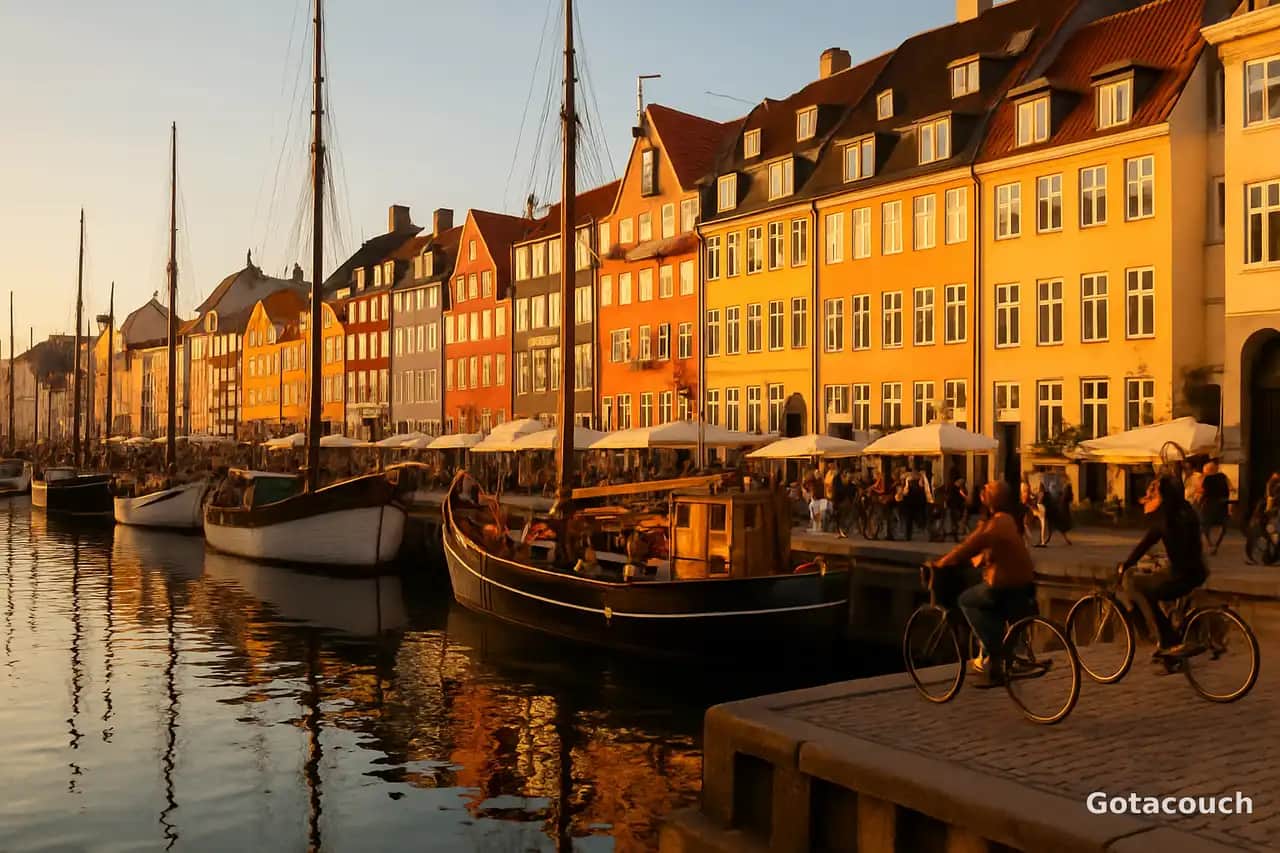
Copenhagen on Two Wheels: Canals, Hygge and the New Nordic Spirit of Denmark's Capital
October 15, 2026 at 11:18 AM

Chiang Mai Within Its Moats: Lanna Heritage, Misty Mountains and the Slow Rhythm of Northern Thailand
October 14, 2026 at 3:17 PM

Cartagena de Indias: Walls Built Against Pirates, a Heart Beating to Afro-Caribbean Rhythm
October 14, 2026 at 3:07 PM

Cape Town Between Two Oceans: Layers of History, Colour and Cuisine Beneath Table Mountain
October 14, 2026 at 2:57 PM

Buenos Aires Block by Block: Tango Roots, Immigrant Dreams and the Rituals of Porteño Life
October 14, 2026 at 2:48 PM

Budapest, City of Two Souls: How Buda and Pest Became One Danube Capital
October 14, 2026 at 2:32 PM
Comments
Log in to leave a comment.
No comments yet.