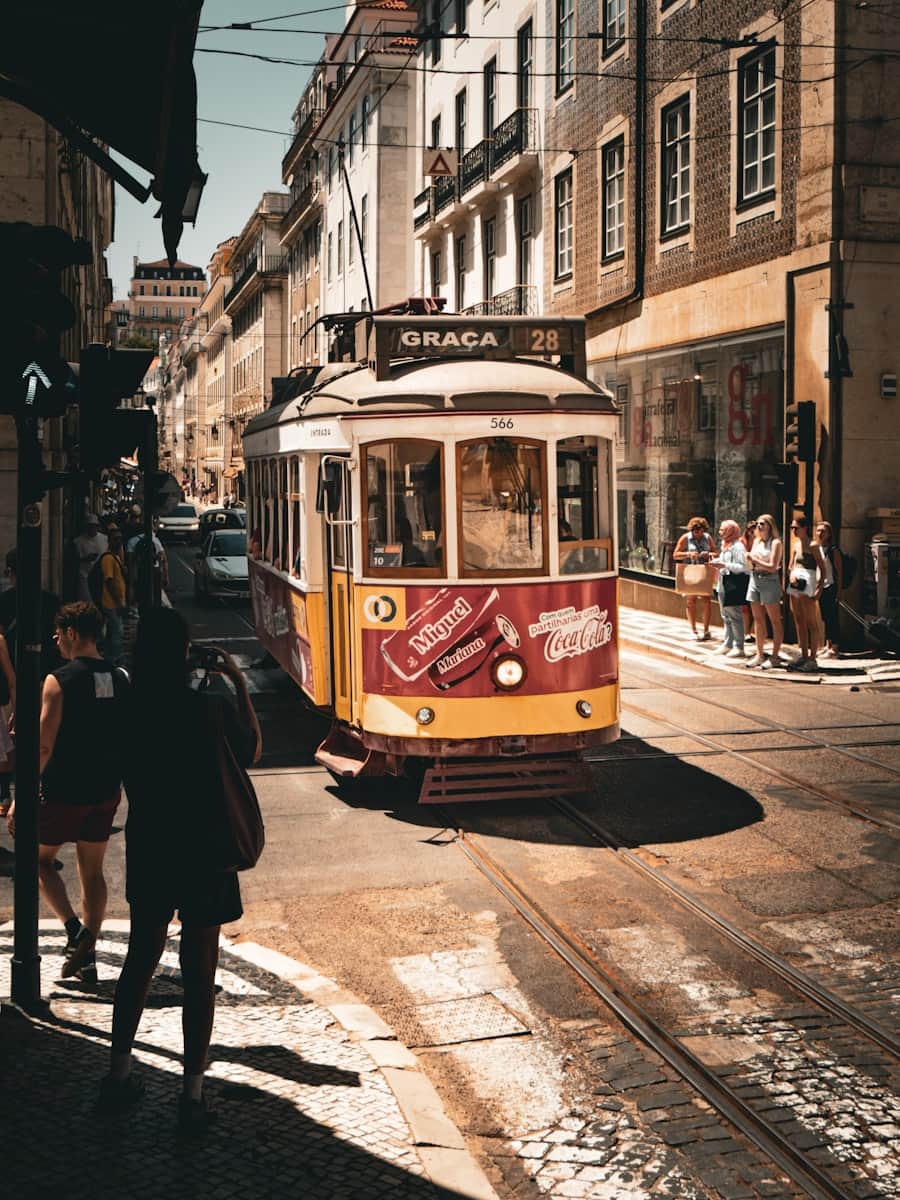
Lisbon, Between the Light of the Tagus and the Memory of Its Hills: A Journey to the Heart of the White City
August 16, 2026 at 3:48 AM · Compte supprimé
A Capital Older Than Rome
Few European cities can claim a history as long as Lisbon's. Founded around 1200 BCE under the Phoenician name Olissipo, it ranks among the oldest cities on the continent, predating even Rome. The Romans turned it into Felicitas Julia, a prosperous city of Lusitania, before the Suebi and then the Visigoths succeeded one another across its seven hills. In 711, the Moors seized it and renamed it al-Usbuna, leaving behind the winding street layout of the Alfama as their legacy. The Christian Reconquista of 1147 opened a new chapter, and Lisbon became the kingdom's capital around 1255-1260, replacing Coimbra thanks to its strategic position on the Tagus estuary.
1755, the Year That Shaped Today's City
There's no understanding Lisbon without mentioning the earthquake of November 1, 1755, followed by a tsunami and devastating fires. Yet out of that chaos came one of the boldest urban projects of its time: under the impetus of the Marquis of Pombal, the Baixa was rebuilt on a grid plan, with so-called "Pombaline" buildings featuring anti-seismic wooden cage frames built into their walls. It's this rebuilt district, today called Baixa Pombalina, that still links Rossio Square to Terreiro do Paço, facing the river.
Seven Hills, a Thousand Faces
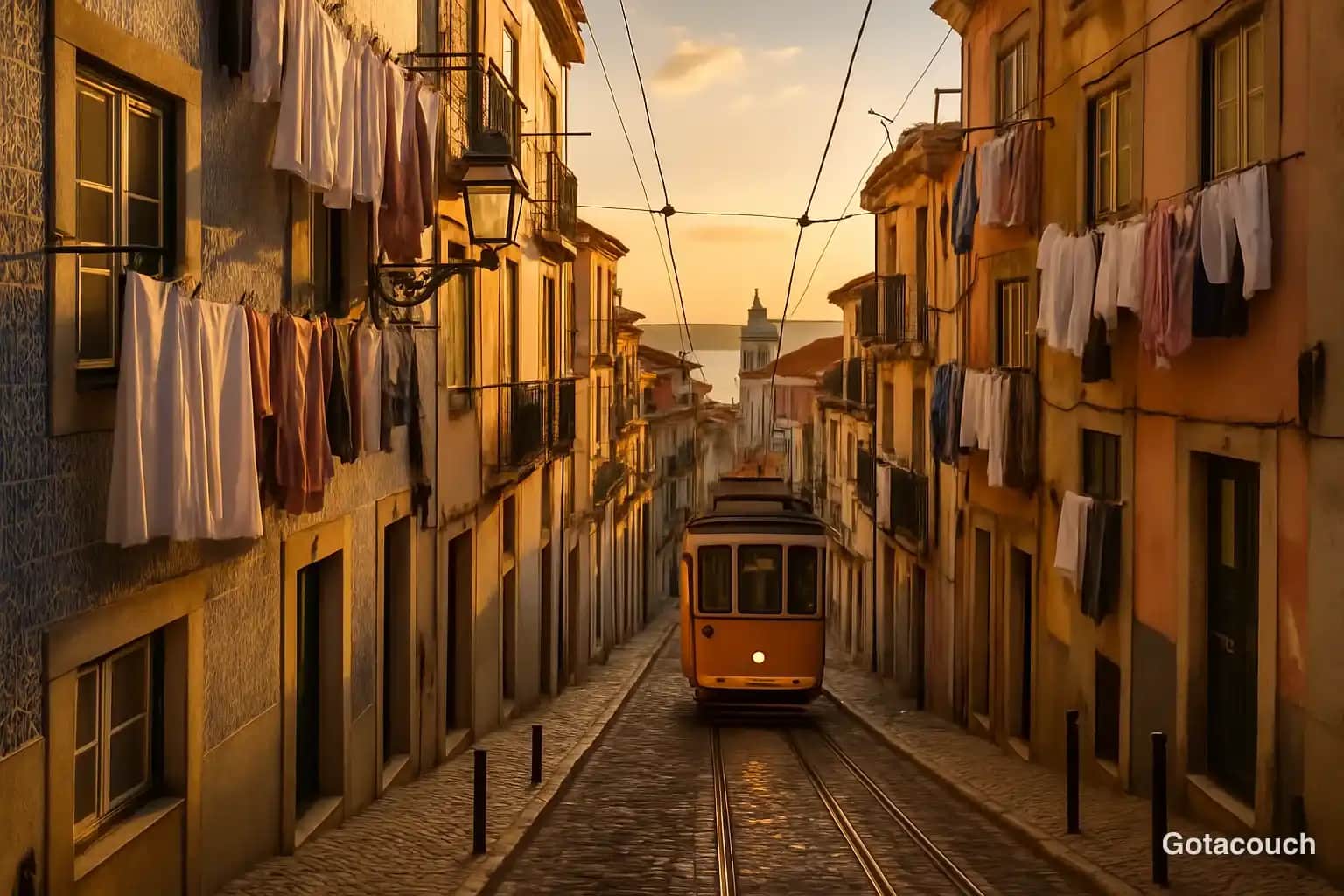
Lisbon is best experienced by staircase and funicular. In the Alfama, the historic neighborhood par excellence, cobbled lanes climb between colorful houses up to St. George's Castle, a Moorish fortress overlooking the city and the estuary. It was here, in these narrow alleys, that fado was born — that melancholic urban song listed as UNESCO Intangible Cultural Heritage since 2011. Carried by a solo voice accompanied by the pear-shaped Portuguese guitar, fado can still be discovered in neighborhood tascas or at the Museu do Fado, the country's first museum entirely devoted to the genre.
Further west, Bairro Alto comes alive at nightfall with its bars packed side by side, while neighboring Chiado cultivates a more refined way of life, between century-old bookshops and historic cafés around Largo do Chiado. In Belém, finally, the history of the Great Discoveries is on display in the open air: the Jerónimos Monastery, a UNESCO-listed Manueline masterpiece, recorded 870,321 admissions in 2022, while the Belém Tower, also a World Heritage site since 1983, welcomed 387,379 visitors in 2024. After restoration works, access is now limited to 900 people per day to preserve the monument and reduce queues.
The Neighborhoods That Still Escape the Postcard
To get off the most well-trodden paths, head to Marvila and Beato, in the eastern part of the city: this former industrial fabric is reinventing itself with craft breweries, galleries and artists' studios. Not far away, the converted LX Factory site in Alcântara mixes bookshops, restaurants and street art, including striking works by artist Vhils. The Graça and Mouraria neighborhoods, meanwhile, offer viewpoints less crowded than those of the nearby Alfama, along with a more authentic neighborhood life, where traditional shops and newer generations coexist.
At the Table: Between Pastéis, Bacalhau and Lively Markets
Lisbon's food scene is hard to sum up in a single specialty, but the pastel de nata holds a special place. Its secret recipe dates back to 1837 at the Pastéis de Belém bakery, heir to pastries once sold by monks to travelers. Orbiting this iconic treat are bacalhau served in every possible form, grilled sardines during the June festivals, and ginjinha, a sour cherry liqueur savored from a small glass, standing up, as tradition dictates. The Mercado da Ribeira, the city's oldest covered market, opened in 1882, was transformed in 2014 into a Time Out-run food court: a lively but very busy spot, best complemented with a stop at a neighborhood tasca for more homestyle cooking.
Sintra, Cascais and Weekend Getaways
Less than an hour from Lisbon, Sintra and its romantic palaces, listed as a World Heritage Site, make up the most popular day trip from the capital. To the west, Cascais and the Estoril coast charm visitors with their heritage as a royal seaside resort, while Costa da Caparica, on the south bank of the Tagus, attracts fans of beaches reachable by bus or ferry.
When to Go
Lisbon's climate, mild year-round, offers its best windows in spring and autumn: between March and May, as well as between September and November, temperatures stay pleasant without the heat or crowds of summer. June, however, brings a special charm with the popular festivities of Saint Anthony, headlined by sardine grills and neighborhood street parties. For those who prefer exploring the city at their own pace, the period from November to February lets you avoid the crowds while still enjoying mild weather.
Practical Tips
- Bring comfortable shoes: between slippery cobblestones and steep streets, the city of seven hills has to be earned on foot.
- The historic tram No. 28 runs through the most beautiful neighborhoods, but it's also the line with the highest number of reported pickpocketing incidents in the city: keep a close eye on your belongings.
- A rechargeable transit card lets you combine the metro, trams, funiculars and ferries across the Tagus.
- Allow three to five days to discover the historic center and Belém, adding an extra day if you want to include Sintra.
A City in Full Swing
The numbers confirm the Portuguese capital's growing appeal: according to the National Statistics Institute, the city of Lisbon recorded around 15.7 million overnight stays and welcomed 6.7 million visitors in 2024, including 5.5 million non-residents. A wave of interest best experienced fully by taking the time to wander off the main routes, where Lisbon keeps telling, neighborhood after neighborhood, its long history turned toward the river.
Articles to discover
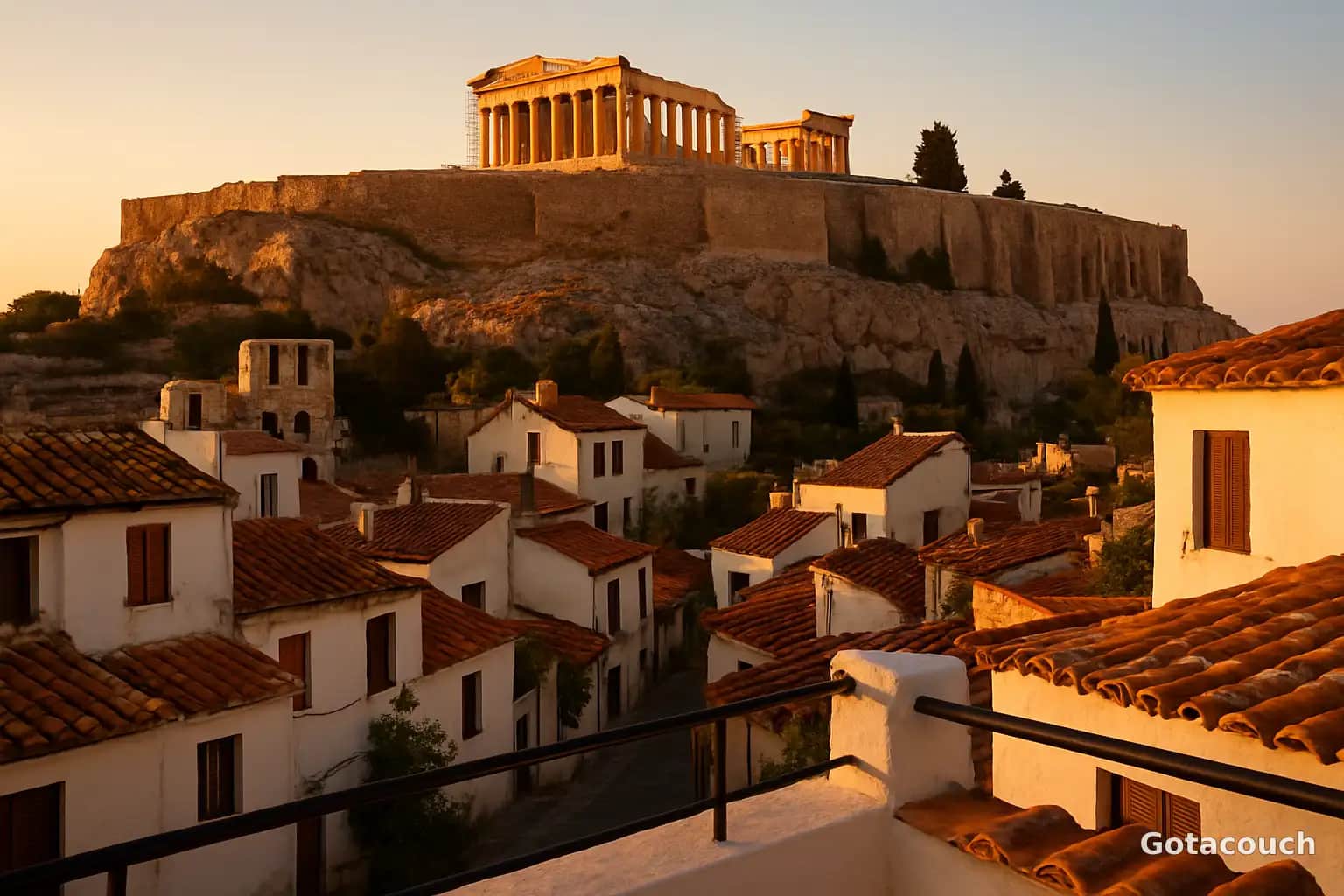
Athens Neighborhood by Neighborhood: Marble Ruins, Cycladic Alleys and Rooftop Ouzo Beneath the Acropolis
September 21, 2026 at 12:20 PM
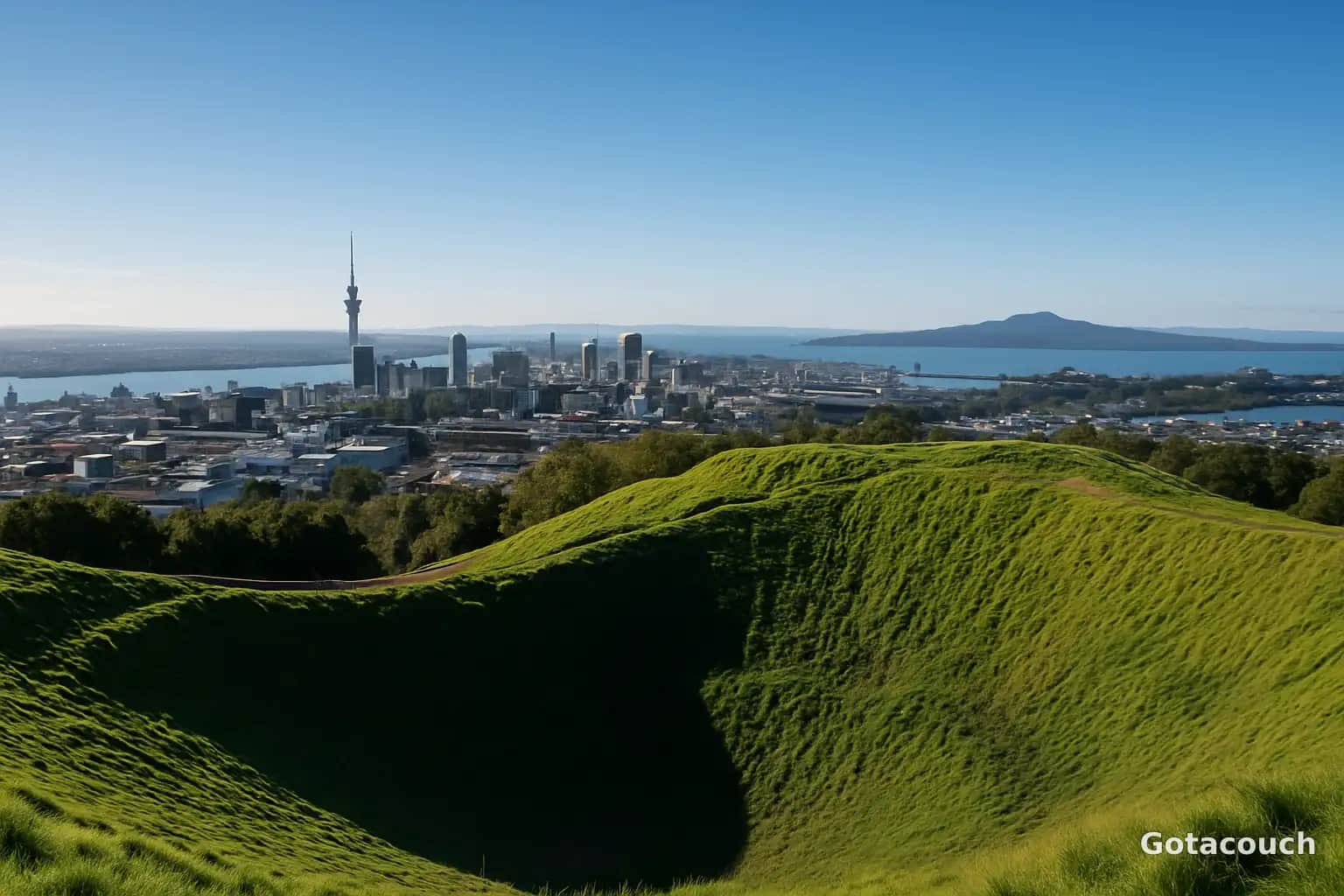
Auckland, City of Volcanoes and Sails: Where Māori Heritage Meets the Pacific Soul of New Zealand
September 19, 2026 at 8:06 PM
Amsterdam Beyond the Canals: Cycling Through Neighborhoods, Markets and the Dutch Art of Everyday Life
September 19, 2026 at 8:55 AM
Accra, the Ghanaian capital that carried Africa's independence: Jamestown, Osu and the Ga soul
September 5, 2026 at 12:58 AM
Seoul, a City of Two Faces: Royal Palaces, Futuristic Neon and Hallyu Culture Along the Han
September 2, 2026 at 8:05 AM
Fez, the Idrisid City Where You Learn to Slow Down: A Millennial Medina, Living Craftsmanship and Andalusian Flavors
September 1, 2026 at 8:04 PM
Comments
Log in to leave a comment.
No comments yet.