New York, a mosaic of five worlds: a journey through the neighborhoods that make the Big Apple's heart beat
August 19, 2026 at 2:44 AM · Compte supprimé · Updated on September 7, 2026 at 12:19 AM
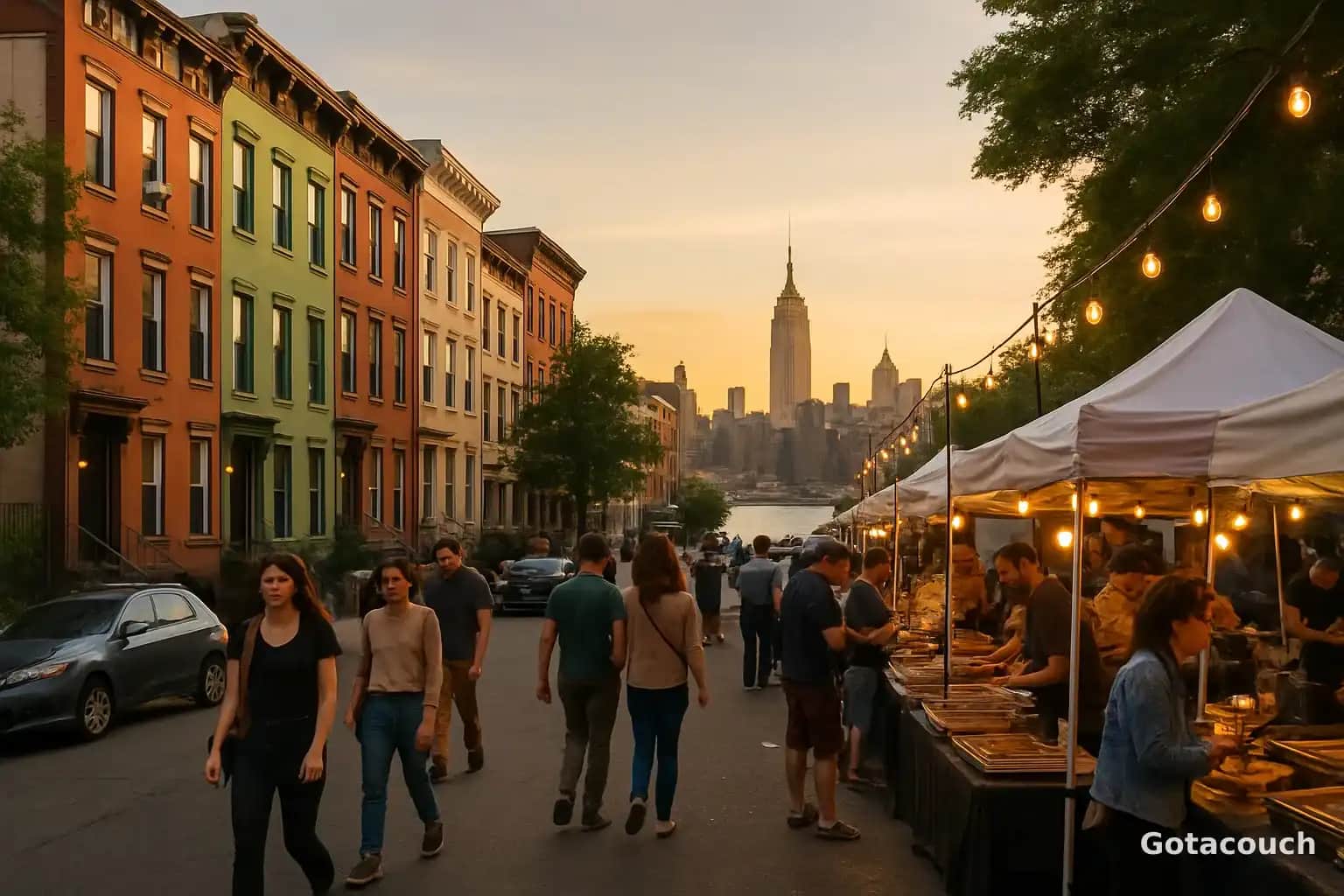
New York isn't one city, it's five cities in one. Manhattan, Brooklyn, Queens, the Bronx and Staten Island form a human archipelago where every neighborhood tells a different story, every street speaks a different language, every corner of sidewalk serves a different dish. Far from the frozen postcards of Times Square, it's in this diversity of daily lives that New York reveals its true face — the one best discovered by pushing open a resident's door rather than staying at a hotel.
In 2024, the city welcomed nearly 65 million visitors, a figure up 3.5% from the previous year and the second highest in its history, just behind the 2019 record of 66.6 million visitors. A success that owes nothing to chance: for four centuries New York has cultivated the art of reinventing itself without ever denying its roots.
A history born from a deal struck for 24 dollars
It all begins with the Dutch, the first Europeans to settle permanently on these lands starting in 1614 with the construction of Fort Nassau. In 1626, Governor Peter Minuit bought the island of Manhattan from the indigenous population for the now-legendary sum of 24 dollars, founding New Amsterdam, a colony geared toward the leather trade. It would take until 1664, and the blockade of four English ships, for the city to change hands without much resistance: Governor Peter Stuyvesant stepped aside, and New Amsterdam became New York, in honor of the Duke of York.
From this colonial period, discreet but tenacious traces remain today in the place names: Brooklyn comes from Breukelen, Harlem from Nieuw Haarlem, Flushing from Vlissingen, Coney Island from Konijnen Eiland. Even Wall Street owes its name to this Dutch history. The city's growth was meteoric: barely 20,000 inhabitants at the end of the 17th century, 50,000 in 1790, before reaching today's sprawling megalopolis structured into five legally distinct boroughs, each functioning as a city in its own right.
Five boroughs, five ways of living New York
Manhattan, the smallest in area but the densest, concentrates the iconic images: Midtown and its skyscrapers, the Financial District, Greenwich Village and its brick houses, SoHo, Harlem and its African-American heritage. Brooklyn, the most populous of the five, stretches from brownstone-lined heights to waterfront parks, from Williamsburg's creative scene to DUMBO's breathtaking skyline views. Queens covers about 75 square miles of neighborhoods and suburbs of rare cosmopolitan richness, where Astoria sits alongside Flushing and Jackson Heights. The Bronx, further north, is home to major parks and cultural institutions, from the zoo to the botanical garden. Staten Island, finally, retains a suburban feel, connected to Manhattan by a free ferry that has itself become an attraction.
The must-sees, and how to experience them differently
The Statue of Liberty, inaugurated in 1886 as a gift of friendship from the French people, remains a universal symbol of freedom; the national monument it forms with Ellis Island counted more than 3.5 million visitors in 2025 according to National Park Service data. The Empire State Building, an Art Deco masterpiece completed in 1931, offers from its 86th and 102nd floor observatories a view that alone sums up New York's ambition. Central Park, Brooklyn Bridge, the High Line and the 9/11 Memorial round out this classic overview — but nothing stops you from discovering them early in the morning, away from the crowds, before heading off to more low-key neighborhoods.
Meeting the city through its residents
This is the whole spirit of the GOT A COUCH? experience: staying with a local gives access to a New York that guidebooks barely touch on. Neighborhood food tours in Chinatown or Harlem, highlighted by the official tourism board, are a delicious gateway into local culture. Gospel brunches and jazz jam sessions in Harlem offer authentic encounters with a community that has shaped an entire part of American identity. And strolling through residential neighborhoods like Astoria, Red Hook or Jackson Heights, off the beaten path, reveals an everyday city, warm and multicultural.
Jazz, hip-hop, gospel and Broadway: the city's cultural soul
Harlem's cultural role was decisive, particularly during the Harlem Renaissance, that era of literary and artistic flourishing that magnified Black American creativity. Since the 1920s, the neighborhood has been the beating heart of New York jazz: legendary clubs like the Cotton Club and the Savoy Ballroom hosted Duke Ellington and Louis Armstrong. Further north, the Bronx saw the birth of hip-hop in the 1970s, before the movement spread throughout the city. Not to mention the Theater District and its Broadway, Off-Broadway and Off-Off-Broadway stages, offering every evening experiences ranging from grand spectacle to the intimacy of a small venue.
Markets and food: eating like a New Yorker
Housed in a former biscuit factory in the Meatpacking District, Chelsea Market blends artisan vendors, specialty shops and small restaurants in a warm industrial atmosphere. Smorgasburg, a genuine New York tradition since 2011, is considered America's largest outdoor food market: it's held in Williamsburg on Saturdays and in Prospect Park on Sundays, somewhere between a giant picnic and a block party. The Union Square Greenmarket brings local producers together in the heart of Manhattan, while the Queens Night Market and the Dekalb Market Hall extend this cosmopolitan exploration of flavors. But the true New York breakfast remains modest: the famous bodega "bacon, egg and cheese," made to order for a few dollars, embodies the city's practical, convivial spirit better than any starred restaurant ever could.
Places that still escape the crowds
Jackson Heights, in Queens, offers a rare multicultural experience, blending Indian and Latino influences, family-run restaurants and historic buildings lined with gardens. In Williamsburg, the small City Reliquary celebrates the city's eclectic history through an unusual collection of everyday objects. Green-Wood Cemetery in Brooklyn is a peaceful and surprising oasis, while Red Hook, a maritime neighborhood with views of the Statue of Liberty, retains an almost village-like charm. Finally, Governors Island, a 172-acre car-free island accessible only by ferry, is home to the historic forts Castle Williams and Fort Jay, maintained by the National Park Service — a surprising getaway just minutes from Lower Manhattan.
Beyond the city: nearby destinations not to miss
For those with a few extra days, the Hudson Valley offers the artsy village of Cold Spring, the Breakneck Ridge hike, and the monumental sculptures of Storm King Art Center. Long Island charms with its beaches, such as Long Beach or Fire Island, and the vineyards of the North Fork. The Catskills, farther afield, invite hiking in summer and skiing in winter. Depending on the destination and mode of transport chosen, allow anywhere from thirty minutes by ferry to Governors Island to two or three hours by train to the Catskills.
When to visit New York
The consensus is clear: the best months to visit New York run from April to June and from September to early November, when the weather is right for long walks and the city comes alive with seasonal events. Spring brings mild temperatures, between 7 and 16°C in April, and Central Park's blossoms. Fall, often cited as locals' favorite season, offers crisp air and parks ablaze with vivid foliage colors. Summer, hot and humid, remains the busiest period nonetheless, driven by numerous outdoor festivals. Winter, from mid-January to early March, appeals to travelers seeking gentler prices and smaller crowds, while December keeps all its appeal thanks to the holiday atmosphere and the Rockefeller Center ice rink.
How long should you stay?
A quick two-to-three-day weekend lets you glimpse the most iconic sights, while a short four-to-five-day stay gives time to explore different neighborhoods and a few must-see museums. For a full first discovery, a week remains the ideal length, leaving enough time to alternate between landmarks, lively neighborhoods and moments of connection with locals. Travelers with ten to fifteen days can venture out to the surrounding areas, in the Hudson Valley or on Long Island, without ever feeling rushed.
Practical tips for getting around
The New York subway runs on a flat fare of $2.90 per ride, regardless of distance traveled; with the OMNY contactless payment system, a weekly cap automatically kicks in after twelve rides taken within seven days, with subsequent rides becoming free. It's worth clearly distinguishing local trains, which stop at every station, from express trains, which skip some. As for safety, the subway is generally safe for the vast majority of visitors, with tourist areas monitored and busy most hours of the day; the main risk remains pickpocketing in crowded spots, hence the value of staying alert about personal belongings and favoring well-lit, busy cars at night.
One city, a considerable economic impact
Tourism fuels the entire New York economy: in 2024, it supported more than 388,000 jobs in the leisure and hospitality sector and generated more than $6.8 billion in tax revenue, on around $51 billion in direct visitor spending. Of the 65 million visitors welcomed, about 51.6 million were domestic travelers and nearly 13 million came from abroad, with the United Kingdom remaining the top international market at 1.1 million visitors, followed by Canada, then France, Brazil and Italy, each exceeding 700,000 visitors.
New York isn't just visited, it's traversed, lived, shared — and it's precisely this immersion that a homestay makes possible.
Staying with a New Yorker, whether in Astoria, Bushwick or Harlem, means trading the anonymity of a hotel for a genuine human thread: neighborhood advice, a bodega recommendation, an invitation to a Sunday brunch. It's there, between two subway lines and a coffee shared on a brownstone stoop, that New York stops being a destination and becomes an encounter.
Articles to discover
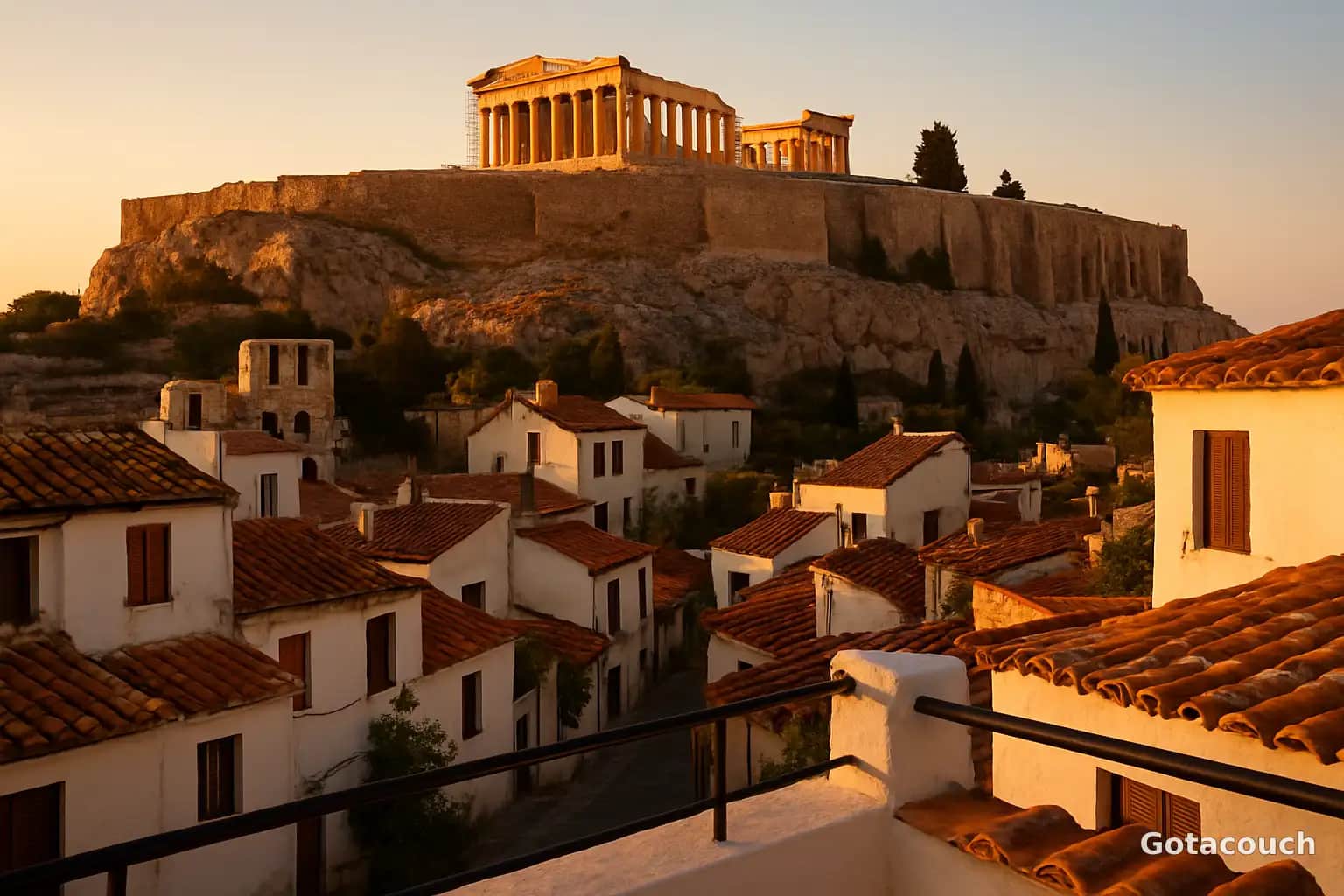
Athens Neighborhood by Neighborhood: Marble Ruins, Cycladic Alleys and Rooftop Ouzo Beneath the Acropolis
September 21, 2026 at 12:20 PM

Auckland, City of Volcanoes and Sails: Where Māori Heritage Meets the Pacific Soul of New Zealand
September 19, 2026 at 8:06 PM
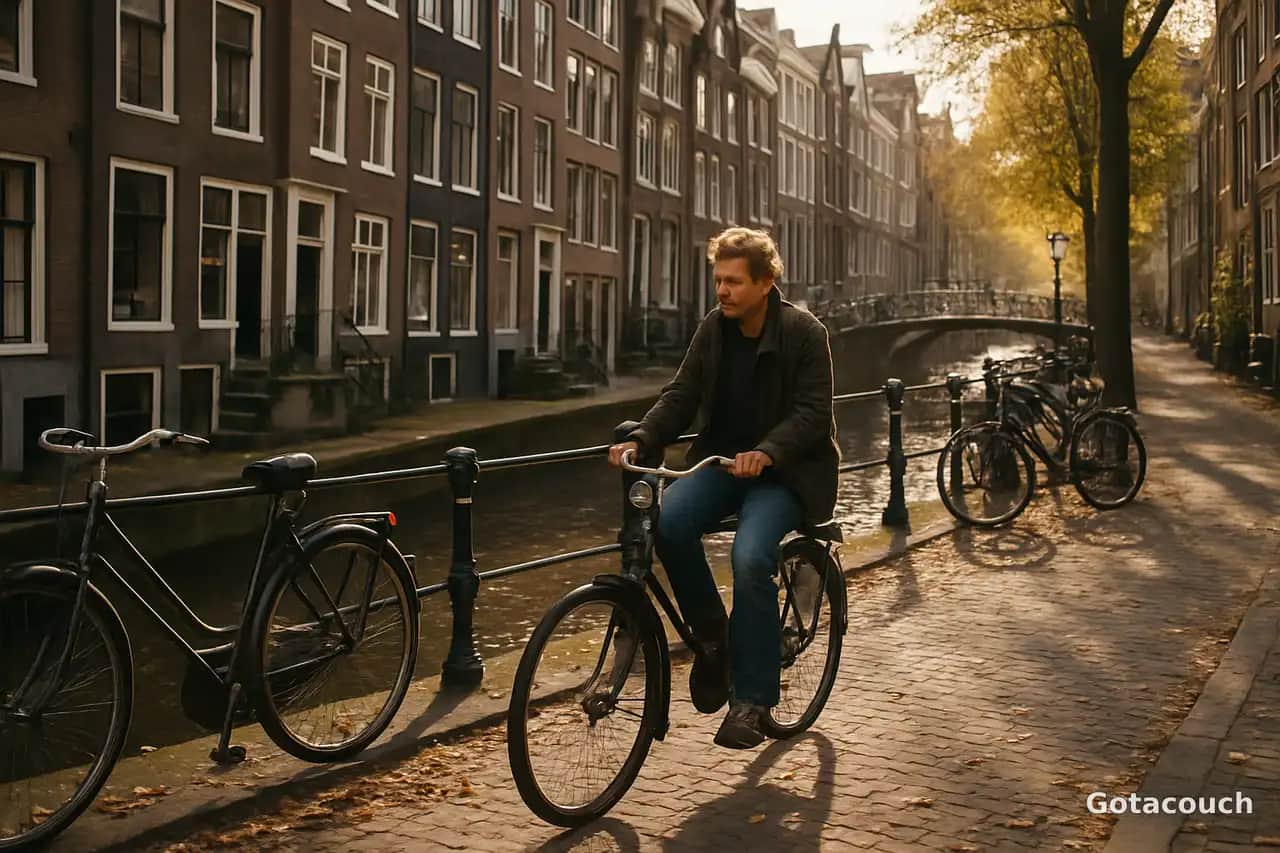
Amsterdam Beyond the Canals: Cycling Through Neighborhoods, Markets and the Dutch Art of Everyday Life
September 19, 2026 at 8:55 AM

Accra, the Ghanaian capital that carried Africa's independence: Jamestown, Osu and the Ga soul
September 5, 2026 at 12:58 AM
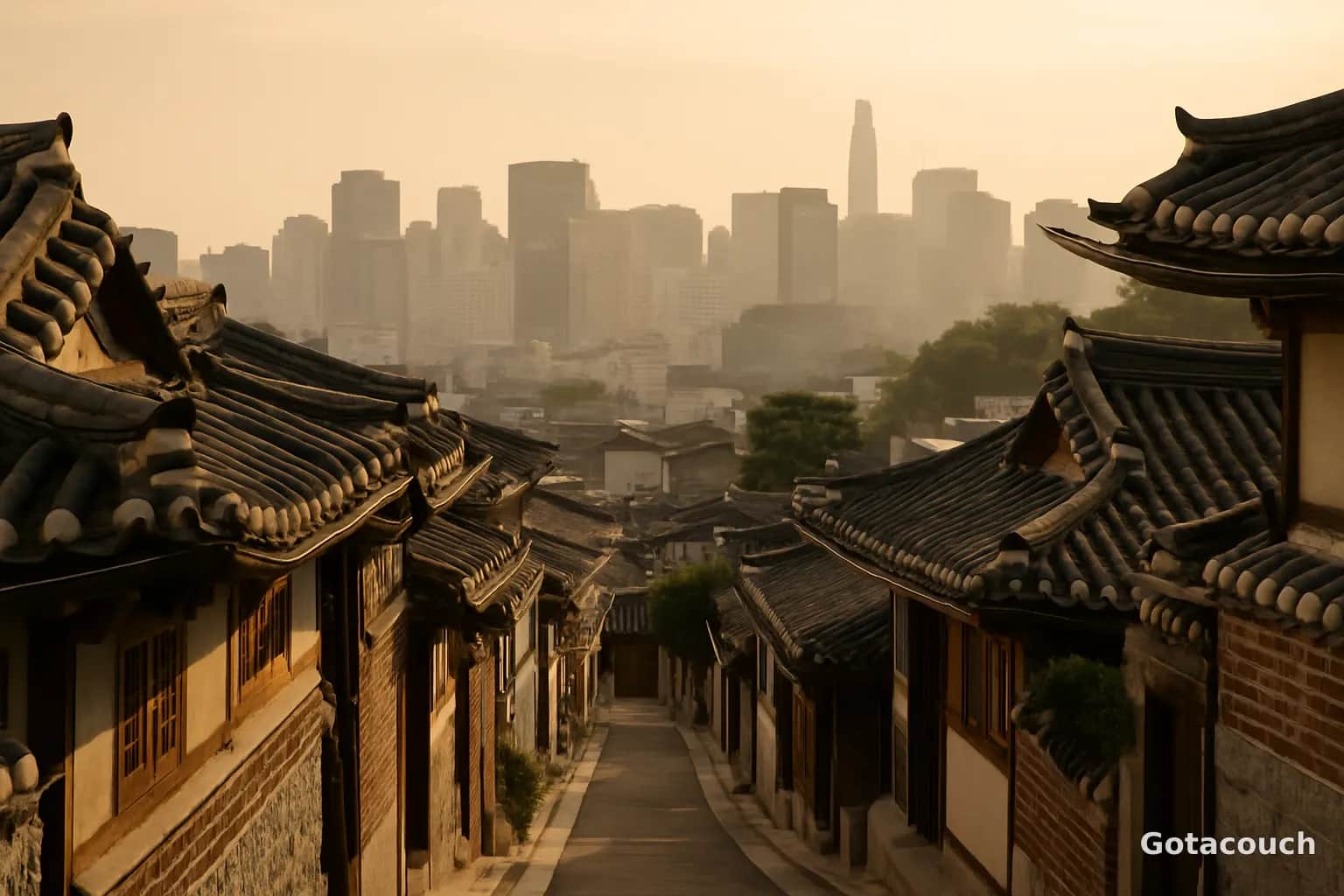
Seoul, a City of Two Faces: Royal Palaces, Futuristic Neon and Hallyu Culture Along the Han
September 2, 2026 at 8:05 AM
Fez, the Idrisid City Where You Learn to Slow Down: A Millennial Medina, Living Craftsmanship and Andalusian Flavors
September 1, 2026 at 8:04 PM
Comments
Log in to leave a comment.
No comments yet.