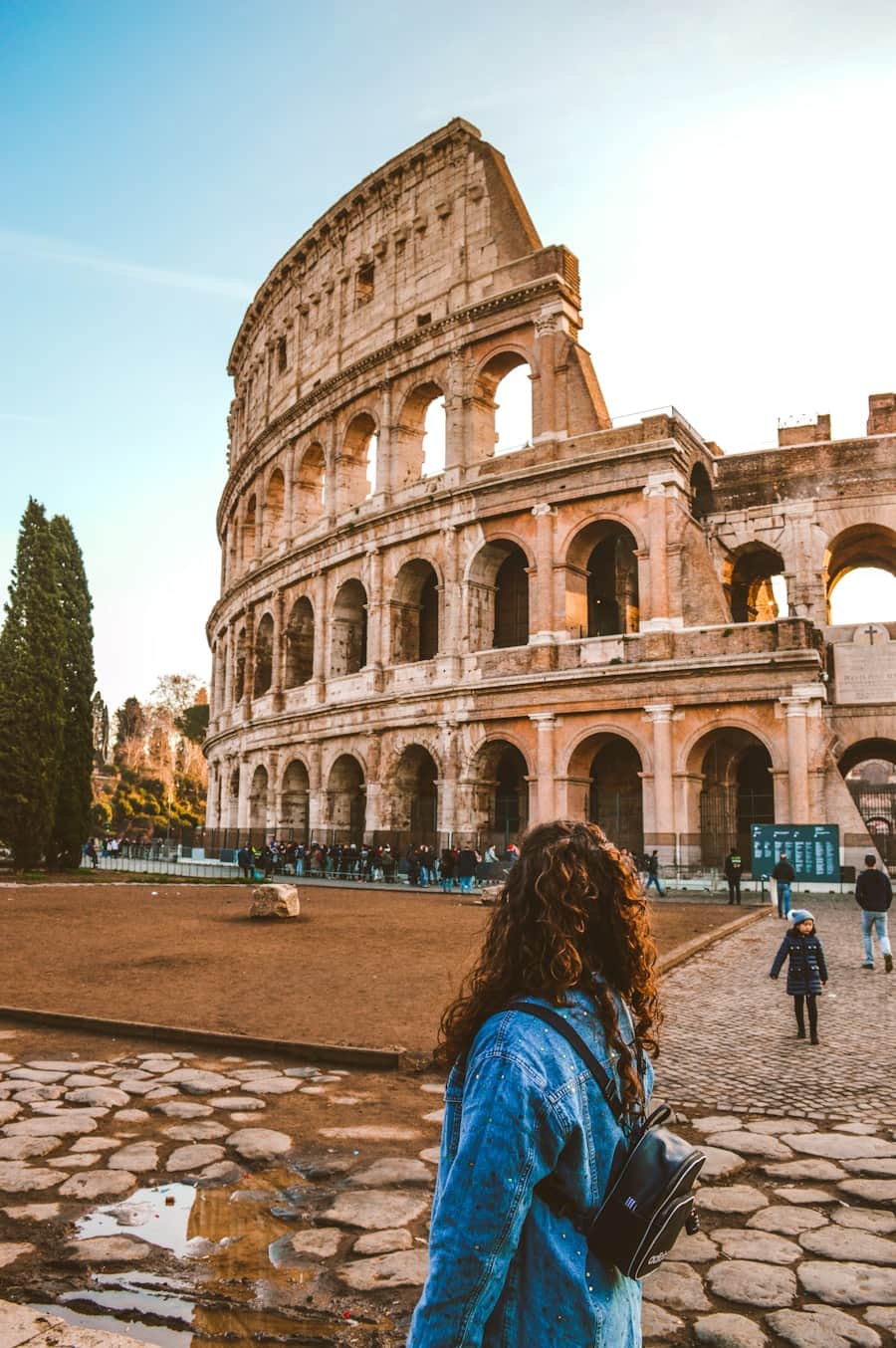
Rome Like the Romans Do: Vibrant Neighborhoods, Authentic Tables, and an Eternal City at Record-Breaking Heights
August 15, 2026 at 11:38 PM · Compte supprimé · Updated on August 16, 2026 at 11:25 AM
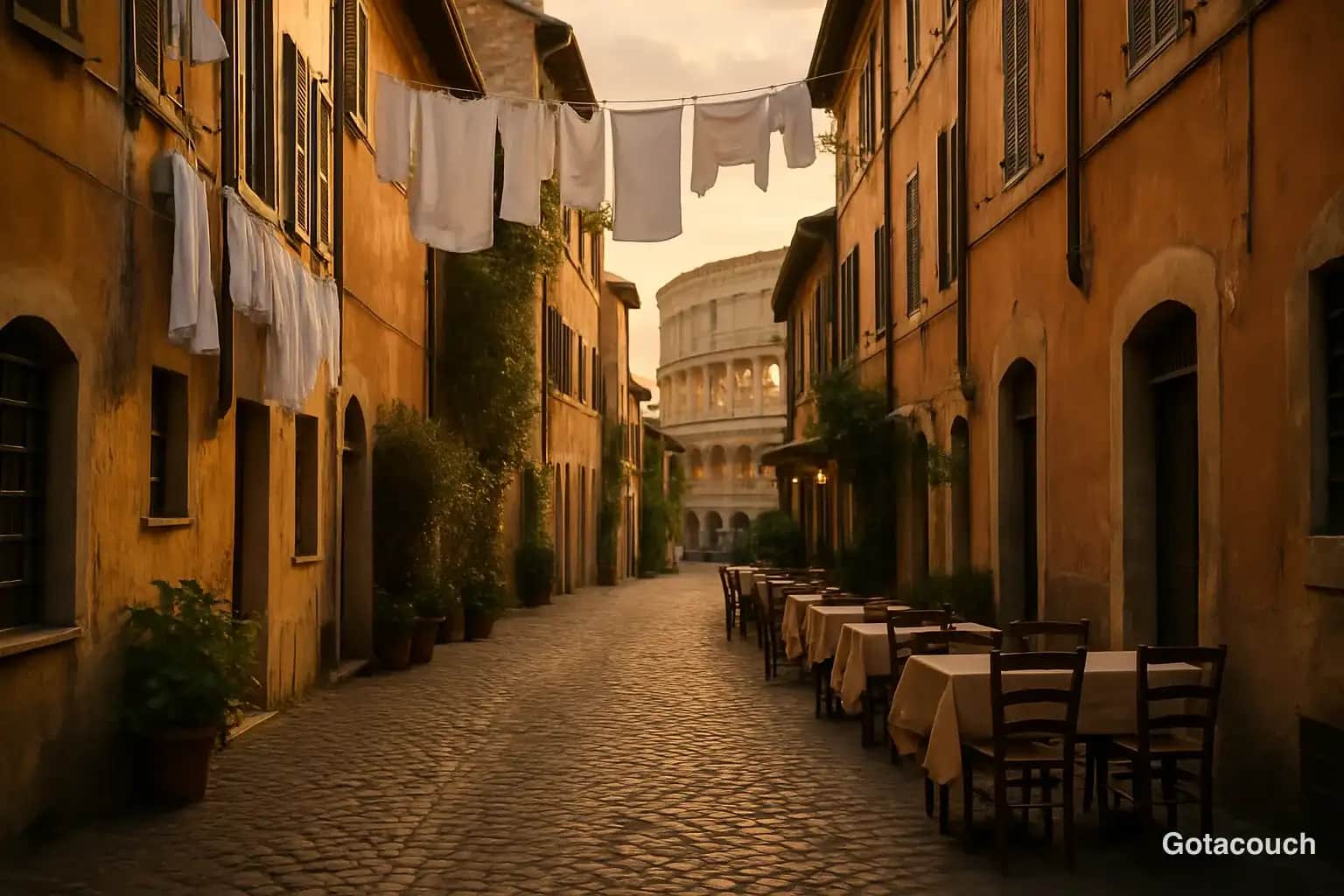
A city born of legend, shaped by centuries
According to the enduring legend still celebrated every April 21st during the Natale di Roma, it was in 753 BCE that Romulus, raised alongside his brother Remus by a she-wolf, is said to have founded the city on the Capitoline Hill. Founding myth or not, this date sums up Rome's spirit rather well: a city that loves to tell its own story, to pass it down, and that unabashedly layers its strata of history — ancient, early Christian, medieval, Renaissance, Baroque — sometimes on a single archaeological site. It is this dizzying accumulation of time that gives the Eternal City its nickname, and that makes it inexhaustible, no matter how many times you return.
The rioni, or how Rome is lived neighborhood by neighborhood
Forget the idea of a monolithic Rome: the city is best discovered through its rioni, these historic districts each of which has kept a personality all its own. Trastevere, on the west bank of the Tiber, has always cultivated a strong sense of community; having become a center of religious activity in the Middle Ages with its many churches, it also owes its dynamic, multicultural character to its past as a living space for sailors, fishermen, and immigrant workers. Today, its cobbled lanes and lively trattorias make it one of travelers' favorite districts for atmosphere.
Monti, tucked between Piazza Venezia and the Colosseum, is considered Rome's very first historic rione. Ironic, given its past: in antiquity, this then-disreputable district was a slum filled with outlaws. It has since become one of the capital's trendiest hangouts, where independent artisans and vintage boutiques mingle with a distinctly hipster flair.
Testaccio, a former working-class district built around a slaughterhouse and an artificial hill made of ancient amphora shards (Monte dei Cocci), has reinvented itself as the beating heart of Roman gastronomy. Not far away, Prati unfolds near the Vatican with its 19th-century Haussmann-style urban planning and chic boutiques, offering a more residential and elegant face of the city.
The must-sees, between myth and stone
It's impossible to speak of Rome without pausing before the Colosseum. Built between 70 and 80 CE, this largest amphitheater ever erected in ancient Rome was originally called the Flavian Amphitheatre, in honor of the dynasty that had it built. Its current name, derived from the adjective "colossal," was only given to it in the Middle Ages. Its construction also carried strong political weight: Emperor Vespasian had chosen this site to return to the Romans the land that Nero had seized for his personal use.
Not far away, the Pantheon tells another story of transformation. Built by Agrippa between 25 and 27 BCE as a temple dedicated to the twelve gods and to the living sovereign, it has served since 1870 as the mausoleum of the kings of Italy, housing among others the tombs of Victor Emmanuel II and the painter Raphael. Add to this the Roman Forum, the Vatican basilica and museums, the Trevi Fountain, the Spanish Steps, and Castel Sant'Angelo — classic stops, yet never tiresome.
Meeting Rome differently
Beyond the queues in front of the monuments, the city truly reveals itself through its inhabitants. A cooking workshop with a Roman family, an aperitivo shared in a neighborhood bar in Trastevere or Monti, a morning stroll through the market before the visitors arrive, or an evening walk through less touristy residential districts like Garbatella or Pigneto: these are just some of the experiences suggested by travelers and specialized guides for stepping off the beaten path and getting a feel for everyday Roman life, far from the selfies in front of the Trevi Fountain.
At the table: the Rome you can eat
Roman cuisine can be summed up in four pasta dishes that have become legendary, the "quattro romane": cacio e pepe, carbonara, amatriciana, and pasta alla gricia. To these are gladly added abbacchio (lamb), Roman-style tripe, or crispy porchetta. To taste real authenticity, head to Testaccio, the true beating heart of local gastronomy, between a bustling market and family-run trattorias. Its covered market, open since 1950, offers artisanal porchetta, preserved fish, fresh pasta, and local products prized even in chefs' kitchens. Other markets are worth the detour: Campo de' Fiori for its historic open-air atmosphere, San Cosimato in Trastevere, or the Nuovo Mercato Esquilino for its resolutely multicultural feel.
The hidden faces of the Eternal City
For those who have already covered the classics, Rome still holds surprises: the Coppedè district with its whimsical Art Nouveau architecture, the famous "keyhole" on the Aventine Hill that frames an improbable view of the Vatican dome, the Centrale Montemartini, where ancient sculptures converse with a former power plant, or Garbatella with its small English-style houses, remnants of early 20th-century working-class urban planning. The Ostiense district, meanwhile, has become covered in street art and attracts a thriving creative scene.
Leaving the city: Tivoli, Ostia, and the Castelli Romani
Rome also lends itself to lovely day trips. In Tivoli, the Villa d'Este and Villa Adriana, both UNESCO World Heritage sites, offer respectively exceptional Mannerist gardens and fountains and a vast archaeological site commissioned by Emperor Hadrian as a retreat away from the imperial palace. Closer by, Ostia Antica, the ancient port city of Rome, can be visited like a "little Pompeii," easily reached by public transport. Finally, the wine-growing hills of the Castelli Romani, with Frascati and the papal summer residence of Castel Gandolfo, pleasantly round out a longer stay.
When to go and how long to stay
Late spring and early autumn remain the most recommended times to visit Rome, as the city becomes particularly crowded during the sweltering months from June to September. Autumn also offers the bonus of less crowded sites and a calmer atmosphere, while still enjoying mild temperatures. As for length of stay, travel guides generally converge on an indicative range of three to five days to cover the historic center's essentials, which can be extended to a week to explore secondary museums and surroundings such as Tivoli or Ostia.
A city more popular than ever
Rome has never been visited as much as it is today. According to official figures from the city of Rome, 2024 set a historic record with 51.4 million overnight stays and 22.2 million arrivals, representing an increase of +4.5% in overnight stays and +5.63% in arrivals compared to the previous year. But 2025, the Jubilee year, did even better: according to the Lazio Regional Tourism Board, the city surpassed that peak with 22.9 million arrivals, including twelve million visitors from abroad, an increase of about 3.42% year-on-year. Such a level of detail at the municipal scale is rare enough to be worth noting: Rome is today one of the few cities in the world to publish such precise and regular tourism statistics.
Practical tips before you go
- Book your tickets in advance for the Colosseum, the Vatican, and the Borghese Gallery, which are especially sought after during periods of high attendance such as the Jubilee.
- Stay alert to pickpockets and common scams, particularly on crowded public transport, around the Colosseum, the Trevi Fountain, and Termini station.
- Favor walking and buses in the historic center: the metro, limited to two main lines and a partial line C, remains constrained by ongoing archaeological excavations.
- Look out for the little fountains known as "nasoni," scattered throughout the city: they offer free, cool drinking water, especially handy in summer.
Rome is not simply visited, it is lived — between a monumental square and a neighborhood bar, between an ancient ruin and a plate of cacio e pepe shared with locals. Perhaps that, in the end, is the true secret of the Eternal City: it never stops reinventing itself, while remaining forever true to itself.
Articles to discover
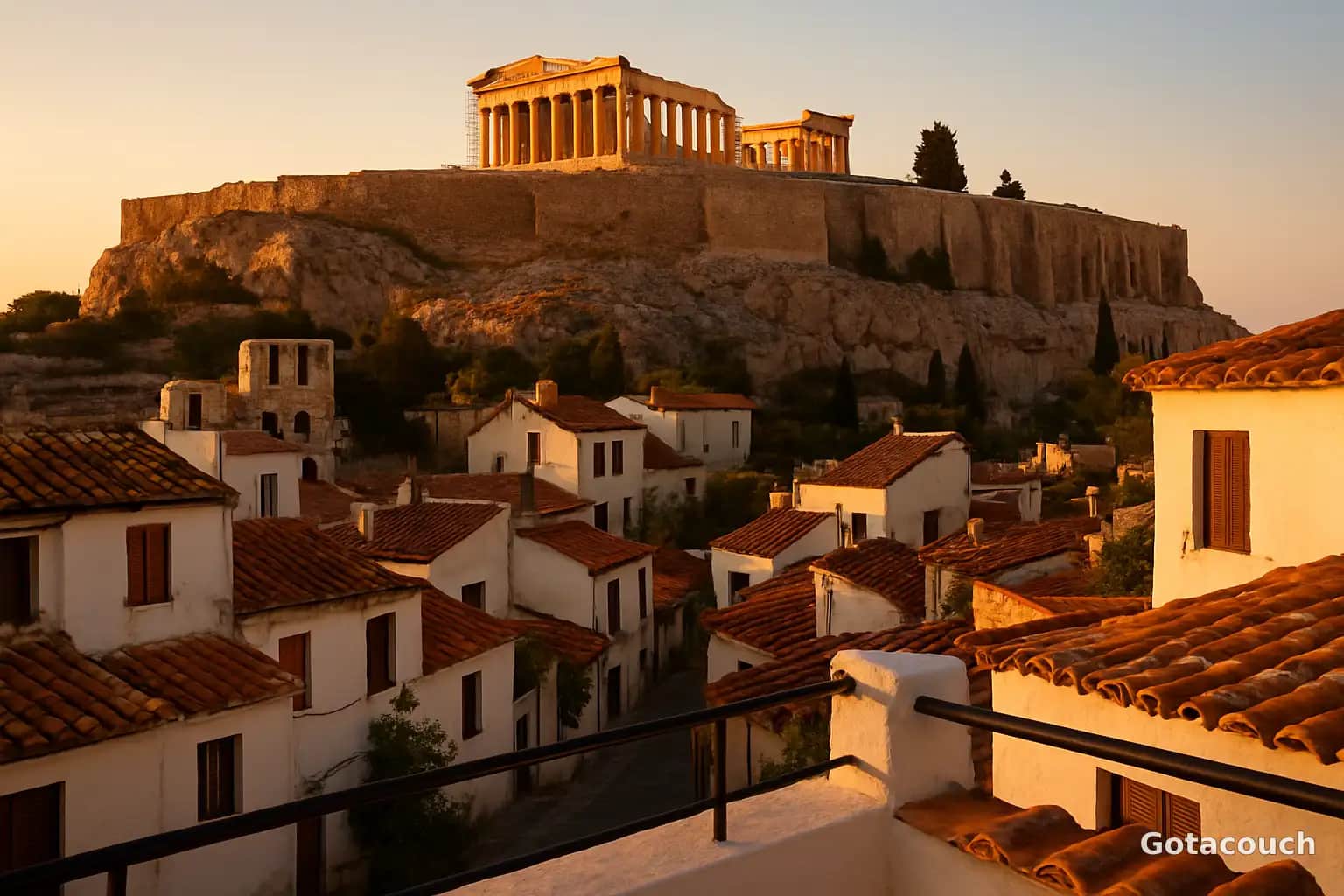
Athens Neighborhood by Neighborhood: Marble Ruins, Cycladic Alleys and Rooftop Ouzo Beneath the Acropolis
September 21, 2026 at 12:20 PM
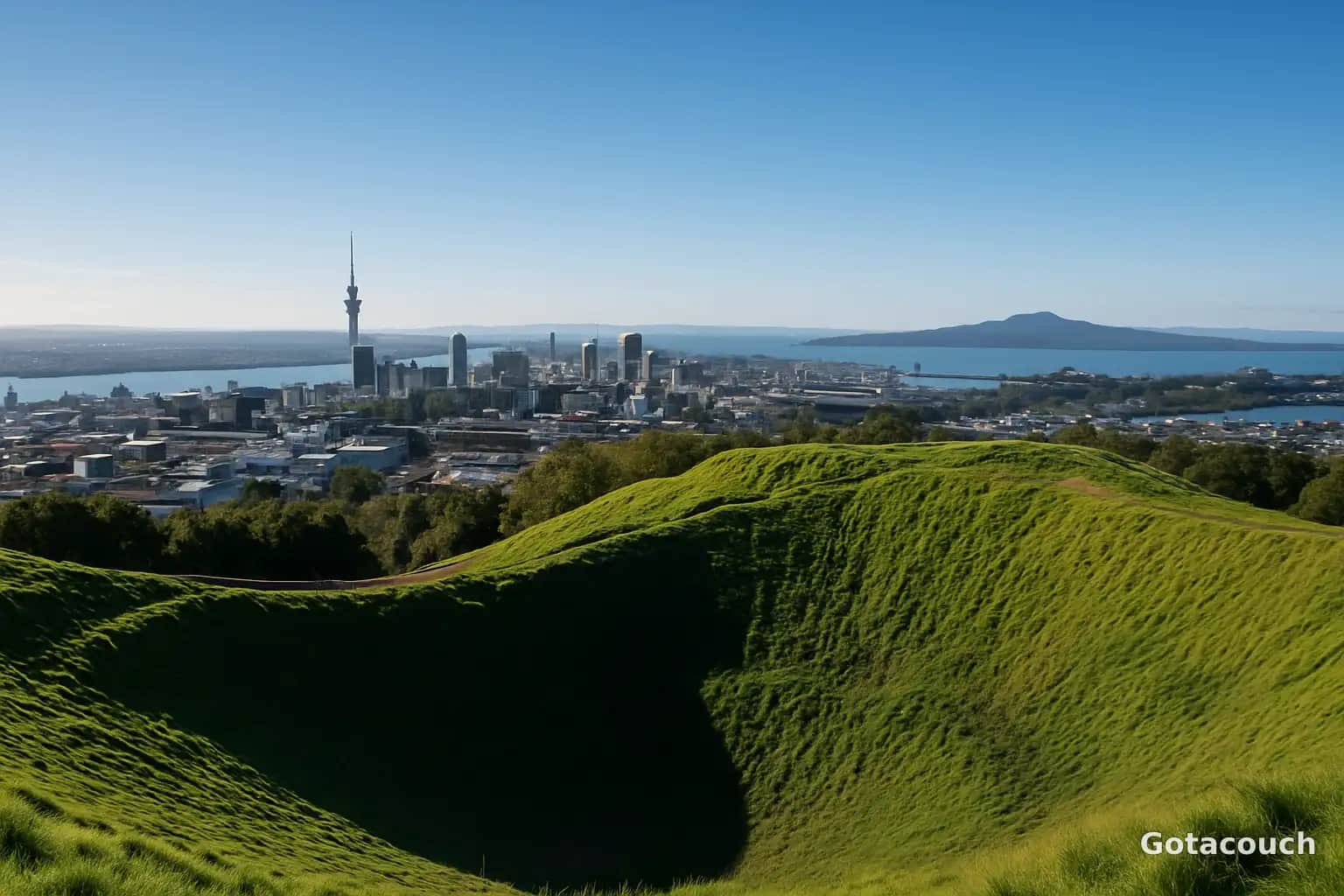
Auckland, City of Volcanoes and Sails: Where Māori Heritage Meets the Pacific Soul of New Zealand
September 19, 2026 at 8:06 PM
Amsterdam Beyond the Canals: Cycling Through Neighborhoods, Markets and the Dutch Art of Everyday Life
September 19, 2026 at 8:55 AM
Accra, the Ghanaian capital that carried Africa's independence: Jamestown, Osu and the Ga soul
September 5, 2026 at 12:58 AM
Seoul, a City of Two Faces: Royal Palaces, Futuristic Neon and Hallyu Culture Along the Han
September 2, 2026 at 8:05 AM
Fez, the Idrisid City Where You Learn to Slow Down: A Millennial Medina, Living Craftsmanship and Andalusian Flavors
September 1, 2026 at 8:04 PM
Comments
Log in to leave a comment.
No comments yet.