Seoul, a City of Two Faces: Royal Palaces, Futuristic Neon and Hallyu Culture Along the Han
September 2, 2026 at 8:05 AM · Compte supprimé
A Capital Born from a King's Choice
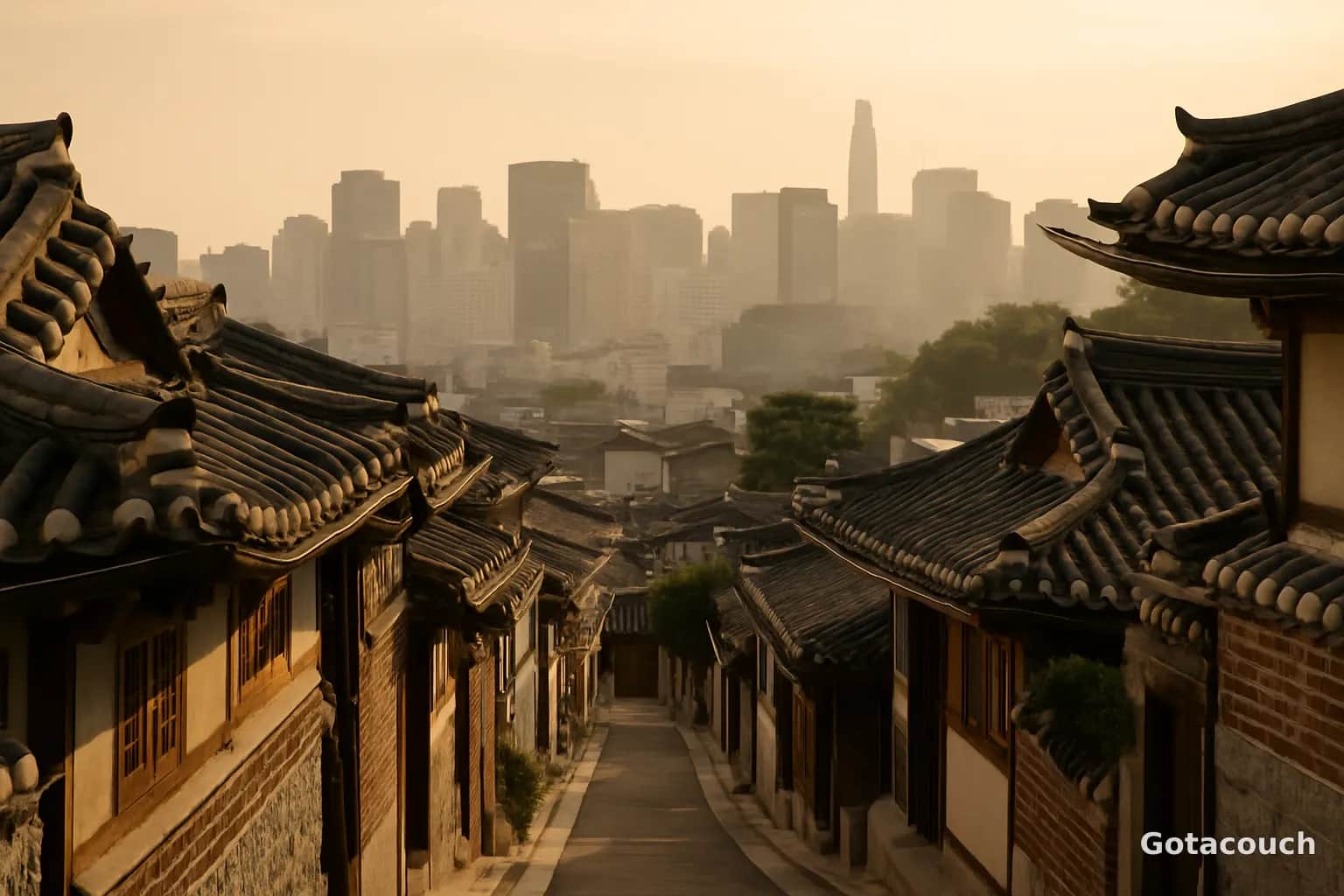
Seoul was not built by chance. More than two thousand years ago, the region already hosted cities linked to the peninsula's three historic kingdoms — Baekje, Silla and Goguryeo — under names now largely forgotten, such as Wiryeseong or Hanyang. Everything changed at the end of the 14th century: General Yi Seong-gye, who had become popular for repelling invaders, overthrew the Goryeo dynasty and founded the Joseon dynasty. Crowned king under the name Taejo, he chose Hanyang as the new capital, drawn by a location considered auspicious according to the principles of feng shui, and had Gyeongbokgung Palace built along with the royal shrine of Jongmyo.
This Joseon dynasty would reign for more than five centuries, until the Japanese colonization of 1910. Among its rulers, Sejong the Great holds a special place: it was during his reign that the kingdom expanded to its current borders and that hangeul, the Korean alphabet still in use today, was created. His statue proudly stands in Gwanghwamun Square, a reminder that Seoul still bears, both in its urban layout and its collective memory, the imprint of this royal history.
Neighborhoods Each Telling a Different Facet of the City
It's hard to sum up Seoul in a single atmosphere, so different are its neighborhoods. In Bukchon, time seems to slow down: narrow alleys, hanoks with curved roofs, some converted into guesthouses where you can spend a night under traditional floor heating, the ondol. Nearby, Insadong remains the essential spot for anyone wanting to immerse themselves in Korean traditional craftsmanship and culture, between art galleries and ceramic shops.
At the opposite stylistic end, Gangnam embodies an ambitious, future-oriented Korea, with luxury boutiques, high-tech buildings and the Buddhist temple Bongeunsa, an island of serenity amid the skyscrapers. Hongdae, the quintessential student neighborhood, concentrates the capital's independent music and art scene — themed cafés, clubs, creative shops. More approachable for a first visit, Myeongdong appeals with its shopping and varied hotels, while Itaewon offers a decidedly cosmopolitan atmosphere, inherited from its past as an international district.
Palaces That Have Never Attracted So Many Visitors
Far from being mere static backdrops, Seoul's royal palaces are experiencing a genuine surge of interest. According to data reported by the Korea Times, a record 17.8 million people visited all the royal palaces, tombs and the Jongmyo shrine combined last year, a sign of growing enthusiasm for traditional Korean culture. Gyeongbokgung Palace, the largest of the royal complexes, built starting in 1395, alone accounts for nearly 6.9 million visitors, or nearly four in ten entries among all royal sites combined. Foreign travelers are playing an increasingly important role, with a marked year-on-year rise in their numbers.
Watching the royal guard changing ceremony in front of Gyeongbokgung, free and spectacular, remains one of the best ways to see this history come alive. For an overview of the city, head to N Seoul Tower, perched on Namsan mountain and accessible by cable car or via a scenic hike that nicely blends tradition and modernity.
Discovering Seoul Through Its Markets and Street Food
Gwangjang Market is arguably the place where Seoul's popular soul reveals itself best. One of the oldest and largest traditional markets in the country, it spans 42,000 square meters and historically hosted more than 5,000 stalls; even today, 1,500 to 2,000 vendors offer street food renowned throughout the country, from bindaetteok (mung bean pancakes) to gimbap, to be enjoyed standing, elbow to elbow with locals. Not far from Myeongdong, Namdaemun Market, the largest traditional market in Korea, rounds out the experience for those who enjoy wandering without a fixed itinerary.
Away from the Crowds: The Capital's Secret Corners
Seoul also offers more intimate getaways. Haneul Park, the "Sky Park," offers spectacular panoramic views after a climb up a set of stairs, particularly popular with photographers at sunset. Seonyudo Park, built on an island in the middle of the Han River, provides an unexpected green pause in the heart of the megacity. More off-the-beaten-path routes, such as Bukjeong village or Gilsangsa temple, appeal to travelers seeking a less crowded Seoul — although, as elsewhere in Korea, these once-discreet spots are quickly gaining popularity.
Easy Escapes from the Capital
Seoul also lends itself to lovely day trips. Nami Island, with its tree-lined avenues and romantic atmosphere, is one of the most popular, often combined with the Everland amusement park. In Suwon, Hwaseong Fortress, a UNESCO World Heritage site, impresses with its 18th-century defensive architecture. For a more radical change of scenery, Muui Island offers unspoiled beaches, while an excursion to the Demilitarized Zone (DMZ) — with Imjingak Park, the Third Infiltration Tunnel and the observation towers — remains a striking experience regarding the peninsula's contemporary history.
When to Visit Seoul
Seoul's climate has four very distinct seasons, and the best times to visit are spring, between April and May, as well as autumn, in October and early November. Spring sees the city awaken after the dry, cold winter, adorned with the vivid colors of cherry blossoms, while autumn offers soft light ideal for exploring palaces and parks. Winter, particularly in January, appeals to lovers of snowy landscapes and authentic wintery atmospheres, provided you dress warmly.
Practical Tips for Planning Your Trip
Until December 31, 2026, French travelers and many European nationals are exempt from visas and K-ETA authorization for tourist stays of less than three months — a rule to confirm with official sources before departure, as these arrangements may change.
On site, the T-Money card is essential: a subway ride costs a minimum of 1,400 won for an adult, and buses range from 1,200 to 3,000 won depending on type, with up to four free transfers included. Foreign travelers can also opt for the WOWPASS, which combines a prepaid card with T-money functionality. To find your way around, it's best to download Naver Map, which is more reliable than Google Maps in Korea, and Kakao Taxi for car travel.
As for duration, allow between four days and a week to explore Seoul without rushing; as part of a broader tour of South Korea, two to three days are already enough to grasp the essentials before continuing on to other regions of the country.
A City That Combines Memory and Speed
What is striking about Seoul is its ability to make the curved roofs of hanoks coexist with the glass towers of Gangnam, centuries-old royal ceremonies with the buzz of the Hallyu wave that has propelled Korean culture onto the world stage. Staying with locals, sharing a meal at Gwangjang Market or sleeping in a hanok in Bukchon is precisely the opportunity to understand how Seoulites themselves live this daily balancing act between past and future — far more so than simply checking off a list of monuments.
Articles to discover
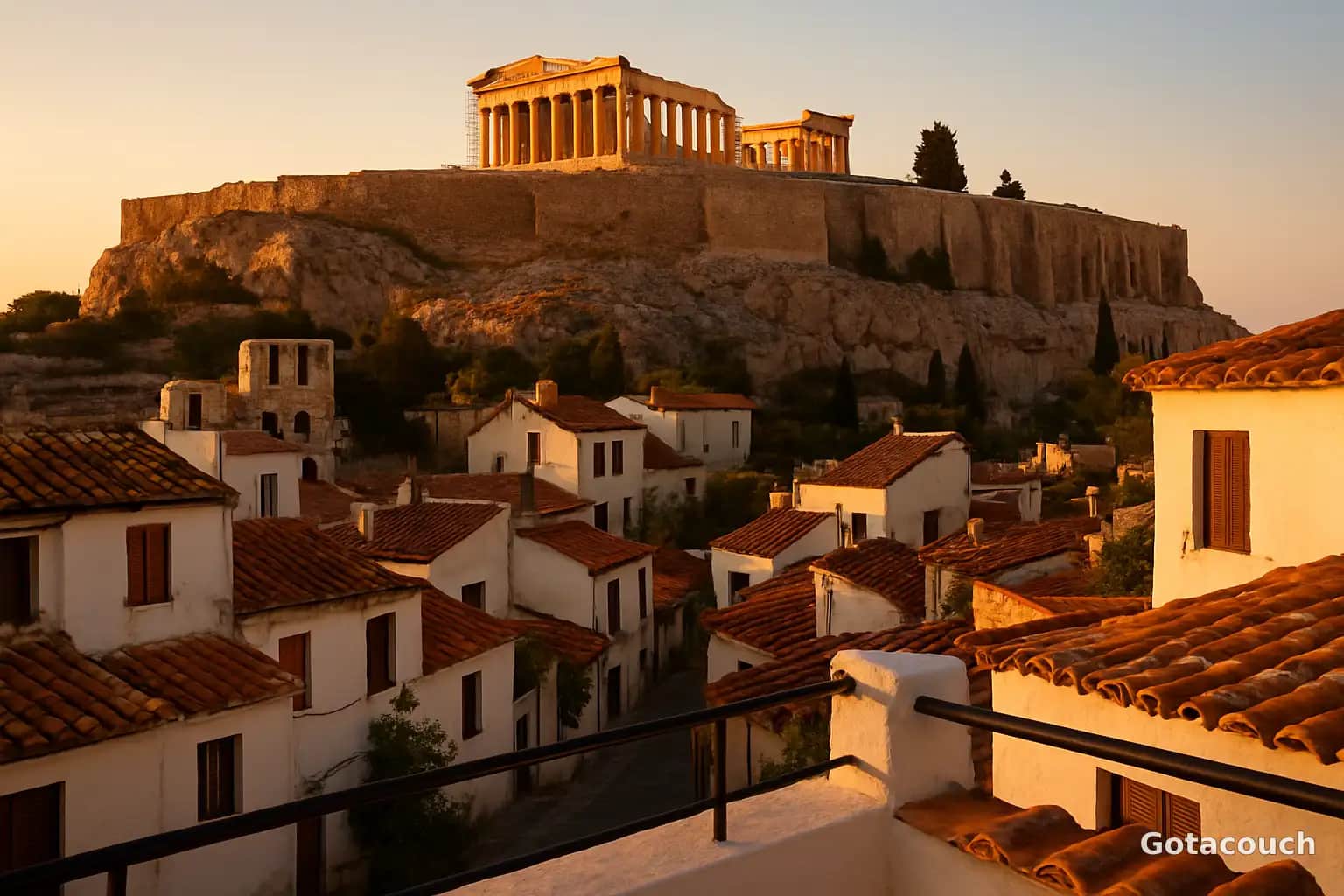
Athens Neighborhood by Neighborhood: Marble Ruins, Cycladic Alleys and Rooftop Ouzo Beneath the Acropolis
September 21, 2026 at 12:20 PM
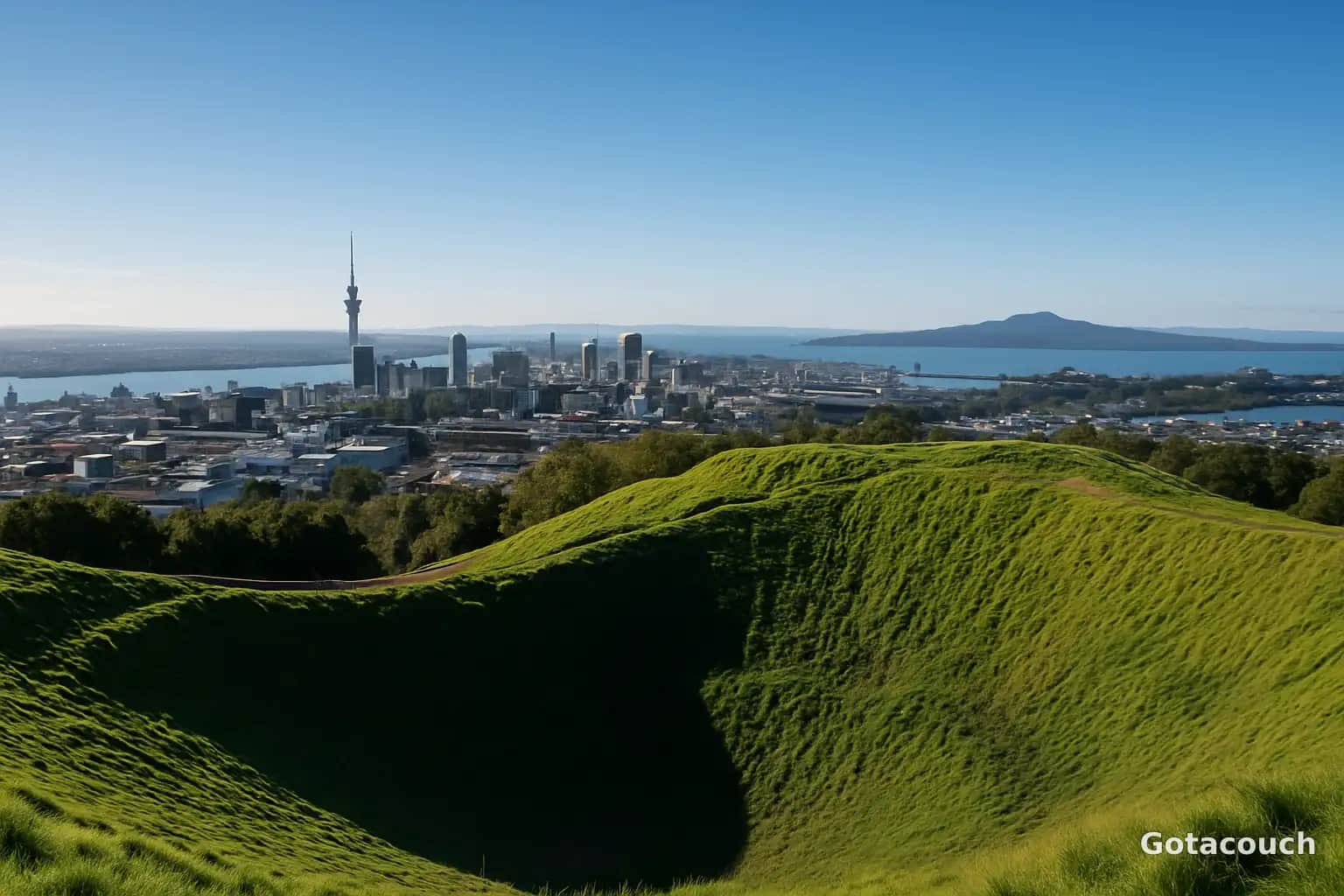
Auckland, City of Volcanoes and Sails: Where Māori Heritage Meets the Pacific Soul of New Zealand
September 19, 2026 at 8:06 PM
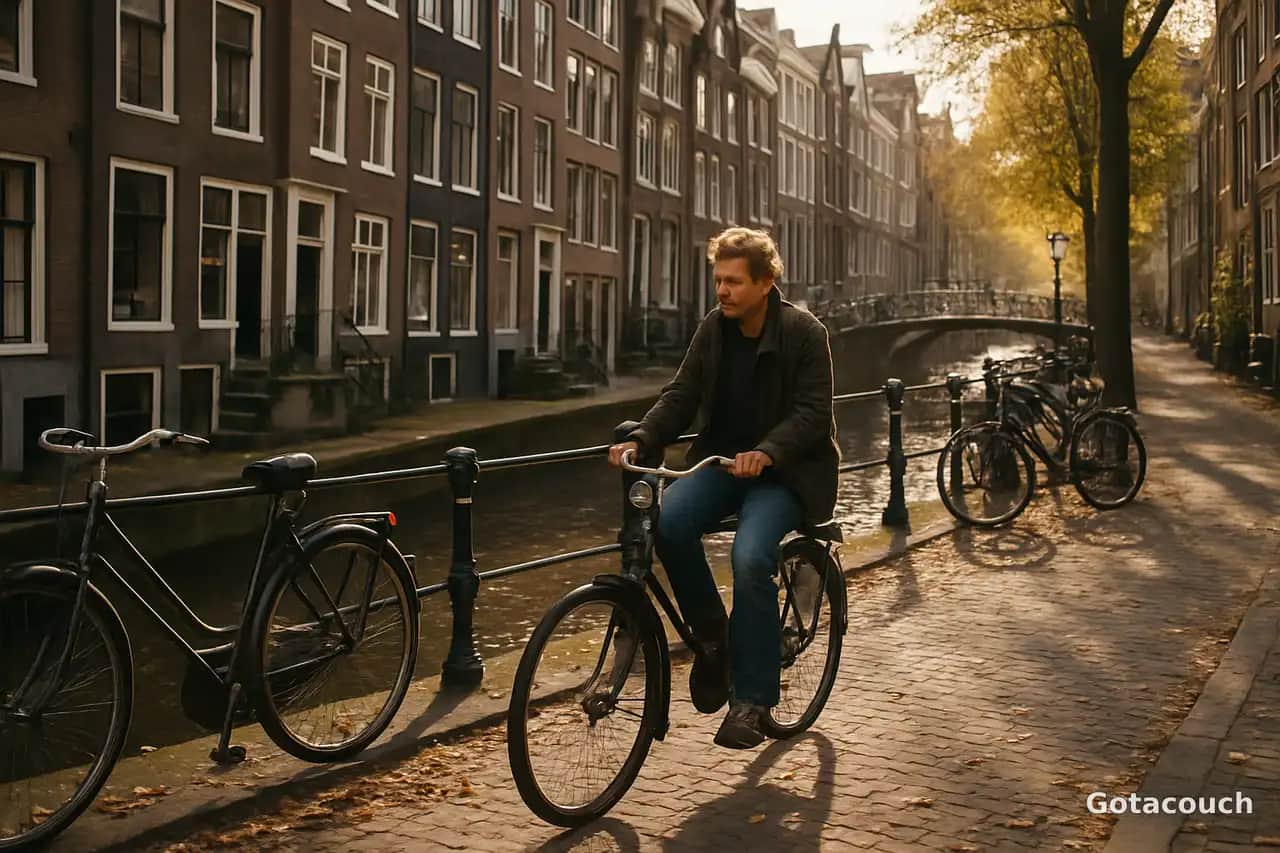
Amsterdam Beyond the Canals: Cycling Through Neighborhoods, Markets and the Dutch Art of Everyday Life
September 19, 2026 at 8:55 AM
Accra, the Ghanaian capital that carried Africa's independence: Jamestown, Osu and the Ga soul
September 5, 2026 at 12:58 AM
Fez, the Idrisid City Where You Learn to Slow Down: A Millennial Medina, Living Craftsmanship and Andalusian Flavors
September 1, 2026 at 8:04 PM
Madrid, a Capital of Two Speeds: Between Art, Bustling Markets, and Spanish Popular Traditions
September 1, 2026 at 8:04 AM
Comments
Log in to leave a comment.
No comments yet.