Ubud, Bali’s Creative Soul: Rice Terraces, Temple Rituals and Artisan Villages Beyond the Tourist Trail
October 14, 2026 at 2:02 PM · GotaNomad
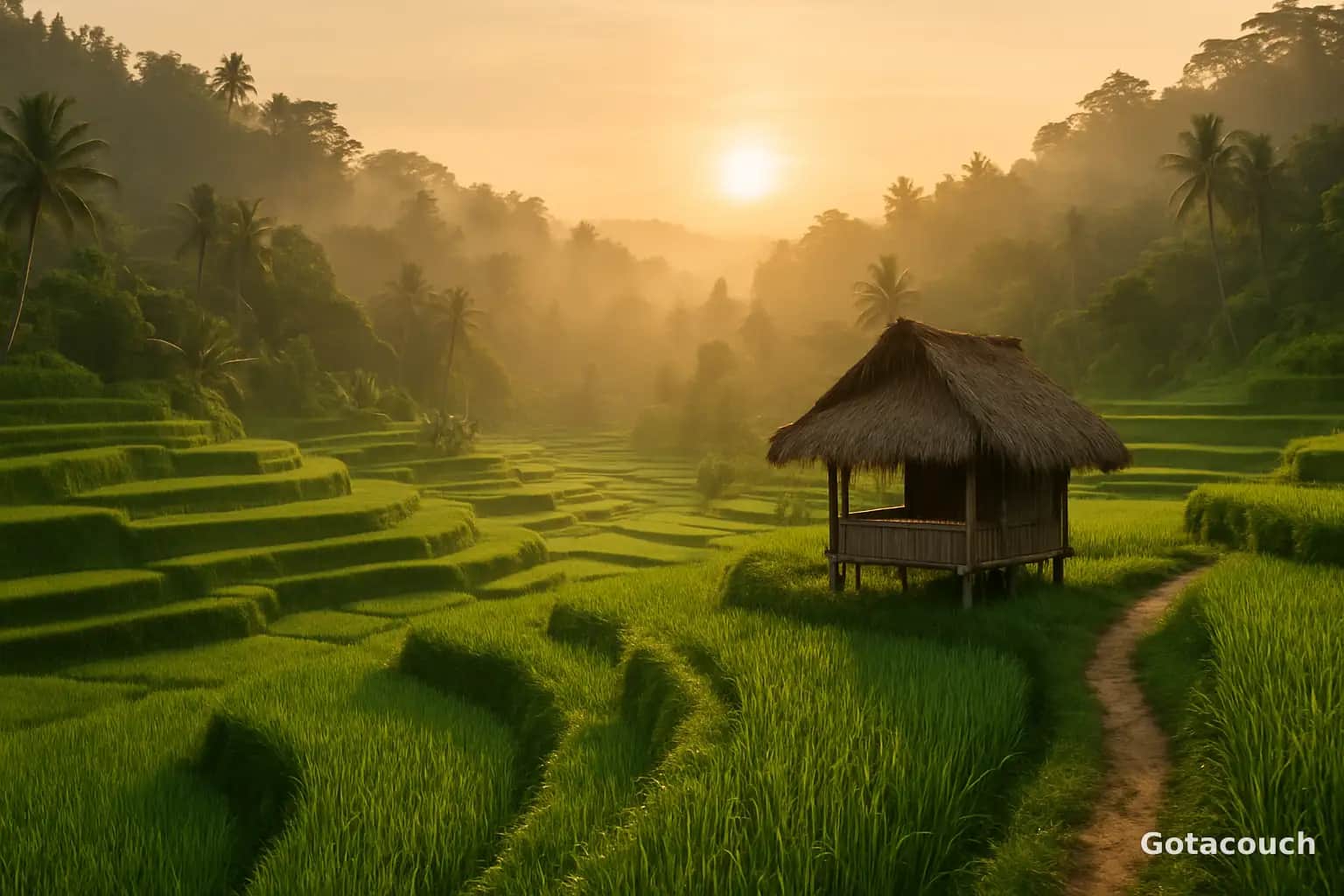
While the south coast of Bali fills with surfboards and beach clubs, another Bali waits quietly inland, wrapped in mist and the sound of gamelan drifting from open-air pavilions. Ubud never tried to compete with the beaches. Instead, it became something else entirely: the island's spiritual and artistic heart, a town where royal courts, hindu temples and generations of painters, dancers and woodcarvers built a culture so dense that even a short walk through its lanes feels like leafing through a living museum.
A Town Built on Royalty, Faith and Art
Ubud's identity rests on three historical pillars that still shape daily life today: a local royal lineage, a dense network of active Hindu-Balinese temples, and a centuries-old artistic tradition spanning painting, dance and wood sculpture. The Puri Saren Ubud, the royal palace, is still inhabited by descendants of the Ubud royal family, and part of its courtyard opens to the public, notably in the evening when traditional dance performances are staged beneath its carved gateways.
The town's reputation as Bali's cultural capital grew significantly in the twentieth century, when Western artists, most famously the German painter Walter Spies, settled here and helped forge Ubud's international image as a haven for art and spirituality. That legacy lives on in institutions like the Puri Lukisan Museum and the Neka Art Museum, both dedicated to traditional and modern Balinese painting, offering a rare chance to understand the visual language behind the offerings, temple carvings and ceremonies you'll see everywhere else in town.
Temples, Forests and Rice Terraces: Ubud's Sacred Geography
No visit to Ubud is complete without the Sacred Monkey Forest (Mandala Suci Wenara Wana), a fourteenth-century complex of three Hindu temples swallowed by dense forest and managed by the local traditional community, or desa adat. Just as evocative is Pura Taman Saraswati, instantly recognizable by its lotus pond, where regular temple ceremonies, or odalan, continue to unfold according to the local Balinese calendar.
Beyond the temples, Ubud's surrounding rice terraces are as emblematic as any monument. The traditional Subak irrigation system, a cooperative water-sharing network between farming communities, sculpts the landscape at Tegallalang and Campuhan into cascading green steps that shift color with the season, from emerald in the rainy months to golden just before harvest.
Neighborhoods and Villages Worth Slowing Down For
Ubud rewards those who wander beyond its central market street. Penestanan, perched above Campuhan and reached by a steep staircase, is a quieter residential area of rice fields, independent cafés and artists' studios, offering a different pace than the busier center. The Campuhan area, named after the river that runs through it, is the starting point of the famous Campuhan Ridge Walk, a ridge trail winding between hills and paddies that is particularly rewarding at sunrise.
On the edge of the Monkey Forest lies Nyuhkuning, a traditional village of wood sculptors where workshops still shape the craftsmanship Ubud is known for. A little further out, Petulu draws visitors in the late afternoon for its nesting herons, a natural spectacle tied to local beliefs. And in the surrounding countryside, the villages of Taro, Mas and Celuk have historically specialized in sculpture and silverwork respectively, crafts still practiced today according to local artisans.
Markets, Ceremonies and Everyday Ritual
Arrive early at Pasar Ubud, the town's traditional market, and you'll find it still belongs to locals: fruit, spices and the small palm-leaf offerings called canang sari change hands before the stalls shift, later in the day, into a market geared toward visitors and handicrafts.
Ubud's calendar is marked by the Balinese pawukon system, meaning temple ceremonies fall on dates that shift from year to year. Twice yearly, the major celebrations of Galungan and Kuningan transform the town almost overnight: bamboo poles called penjor, elaborately decorated, line every street, and fresh offerings appear each morning in front of every home and shopfront. Travelers who happen to be in town during these periods witness a side of Bali that no itinerary can guarantee, and respectful visitors are sometimes welcomed to observe temple ceremonies, or even join a family's daily offering ritual.
Tastes of Ubud: Beyond the Tourist Menu
Balinese cuisine built around Ubud leans on rice, local spice pastes known as bumbu, and dishes historically prepared for family ceremonies, such as babi guling (spit-roasted pork) and tum ayam (chicken simmered in banana leaf). Several cooking schools in and around town teach these recipes hands-on, typically starting with a morning visit to a local market to select ingredients before heading to the kitchen, an experience that says more about Balinese hospitality than any restaurant meal could.
Excursions Into the Hills
Ubud makes an excellent base for day trips into Bali's volcanic interior. Closest are the rice terraces of Tegalalang, fifteen to twenty minutes north, followed by the sacred purification springs of Tirta Empul in Tampaksiring, the rock-cut shrines of Gunung Kawi, and the cave temple of Goa Gajah. South of town, the Tegenungan waterfall offers a cooler detour, while further afield, Gunung Batur, a volcano cradling a caldera lake, is a classic excursion often paired with a sunrise hike, roughly an hour and a half to two hours by road. For travelers with more time, the coffee plantations and waterfalls around Munduk in the northwest, or the quiet rural landscapes of the Sidemen valley to the east, reward those willing to go further off the beaten path.
When to Visit
Bali follows a tropical climate split between a dry season, roughly April to October, and a rainy season from November to March. The dry season is generally preferred for outdoor activities and volcano treks, while the rainy months bring out the deepest green in the rice terraces. Whichever season you choose, keep in mind that Ubud, set inland at higher elevation, tends to feel slightly cooler and more humid than Bali's coastal resorts year-round. A stay of four to five days is generally considered enough to balance time exploring the town center with excursions into the surrounding countryside.
Practical Tips for Getting Around and Staying Safe
- Ubud has no organized public transport network; most visitors rely on rented scooters, a private driver, or ride-hailing apps, though their use is sometimes restricted in the town center in favor of local drivers.
- Traffic is dense and roads are often narrow, so inexperienced riders should be especially cautious on two wheels.
- Always wear a helmet, and make sure your travel insurance explicitly covers scooter accidents, a detail many travelers overlook.
- Stay alert for petty theft, particularly bags and phones in crowded areas like the market or Monkey Forest entrance.
- The local currency is the Indonesian rupiah (IDR), and cash remains common for small shops and markets, where bargaining is customary.
- Before traveling, check current visa fees, opening hours and ceremony schedules with official sources such as the Indonesian embassy or consulate, local immigration, or the Ubud and Gianyar tourism offices.
The Spirit of Ubud
What makes Ubud memorable isn't a single monument but a rhythm: the smell of incense from a doorway offering, the thwack of a woodcarver's chisel in Nyuhkuning, the shift in light over a rice terrace at dusk. Staying with a local family, sharing a cooking lesson or simply asking about the ceremony happening down the street often opens doors no guidebook can. Ubud rewards curiosity, patience and a willingness to slow down to the pace of its temples, its artisans and the people who call it home.
Articles to discover
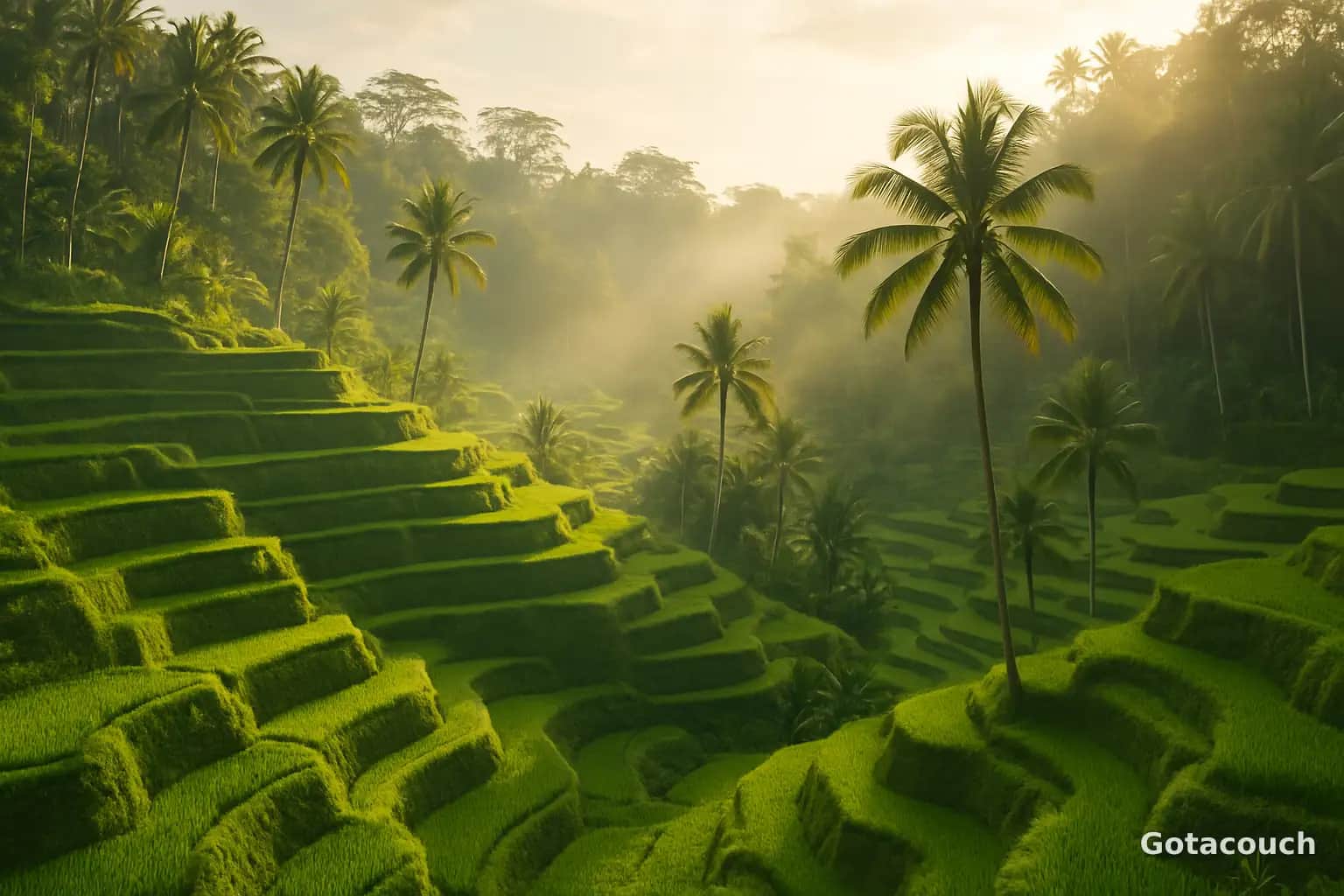
Ubud, Bali's Inland Soul: Rice Terraces, Temple Rituals and Artisan Villages Beyond the Beach
October 14, 2026 at 2:03 PM
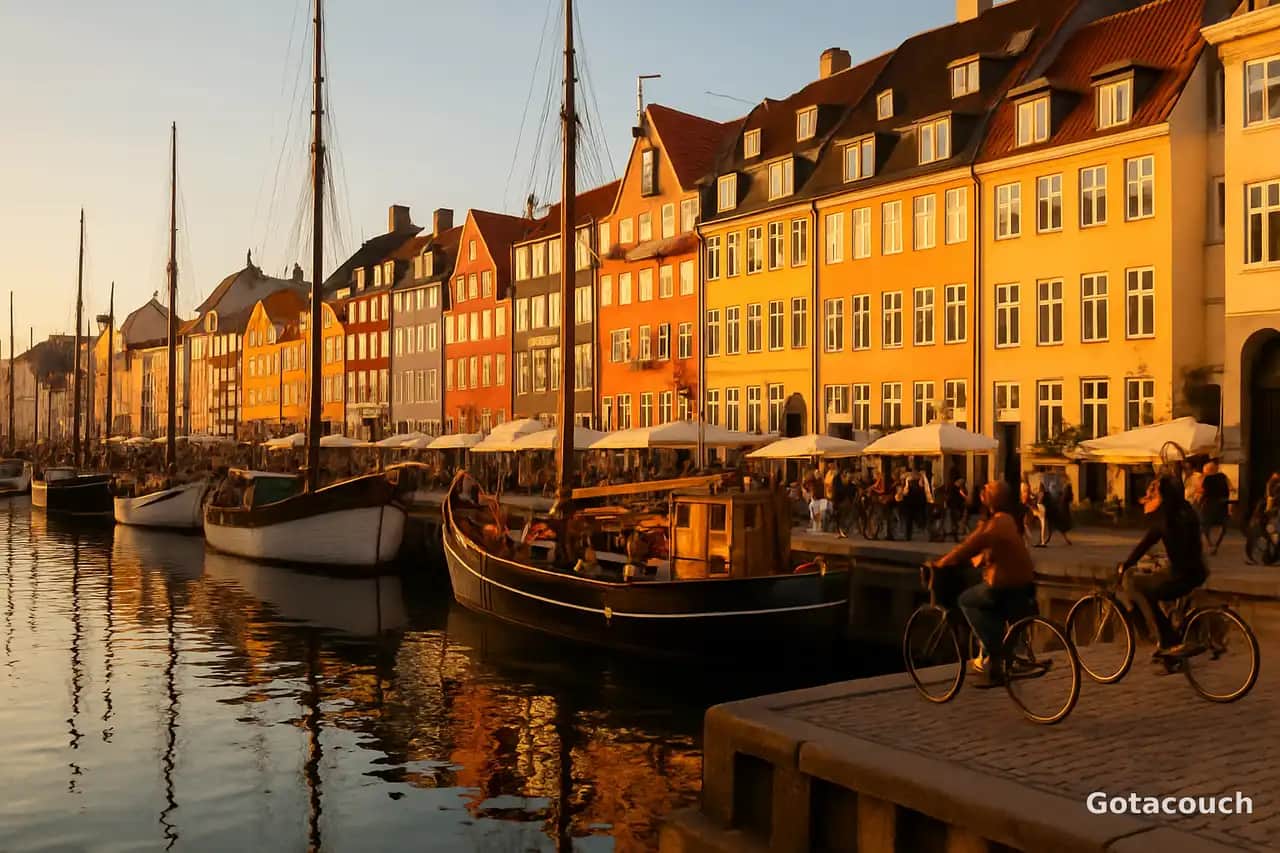
Copenhagen on Two Wheels: Canals, Hygge and the New Nordic Spirit of Denmark's Capital
October 15, 2026 at 11:18 AM
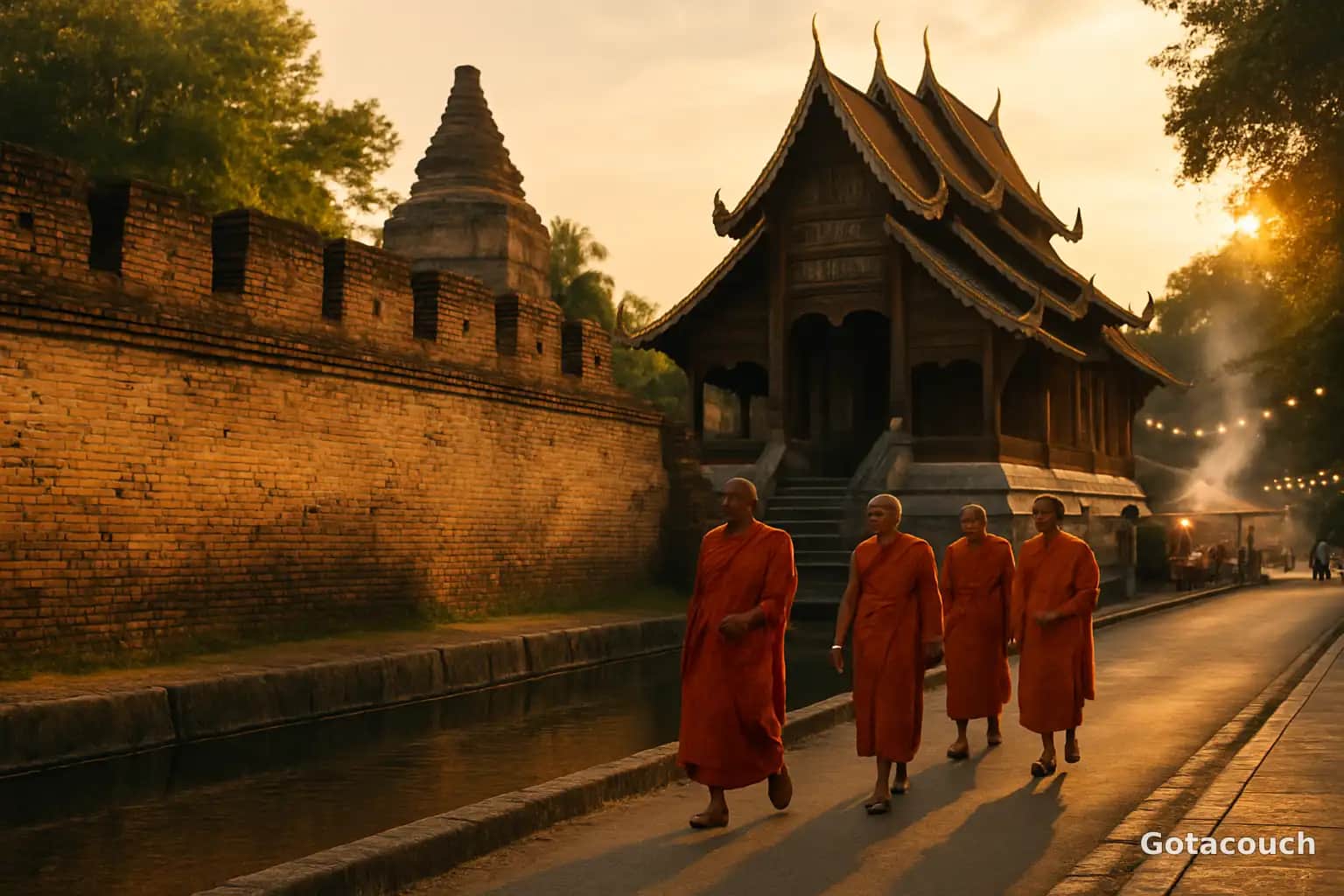
Chiang Mai Within Its Moats: Lanna Heritage, Misty Mountains and the Slow Rhythm of Northern Thailand
October 14, 2026 at 3:17 PM
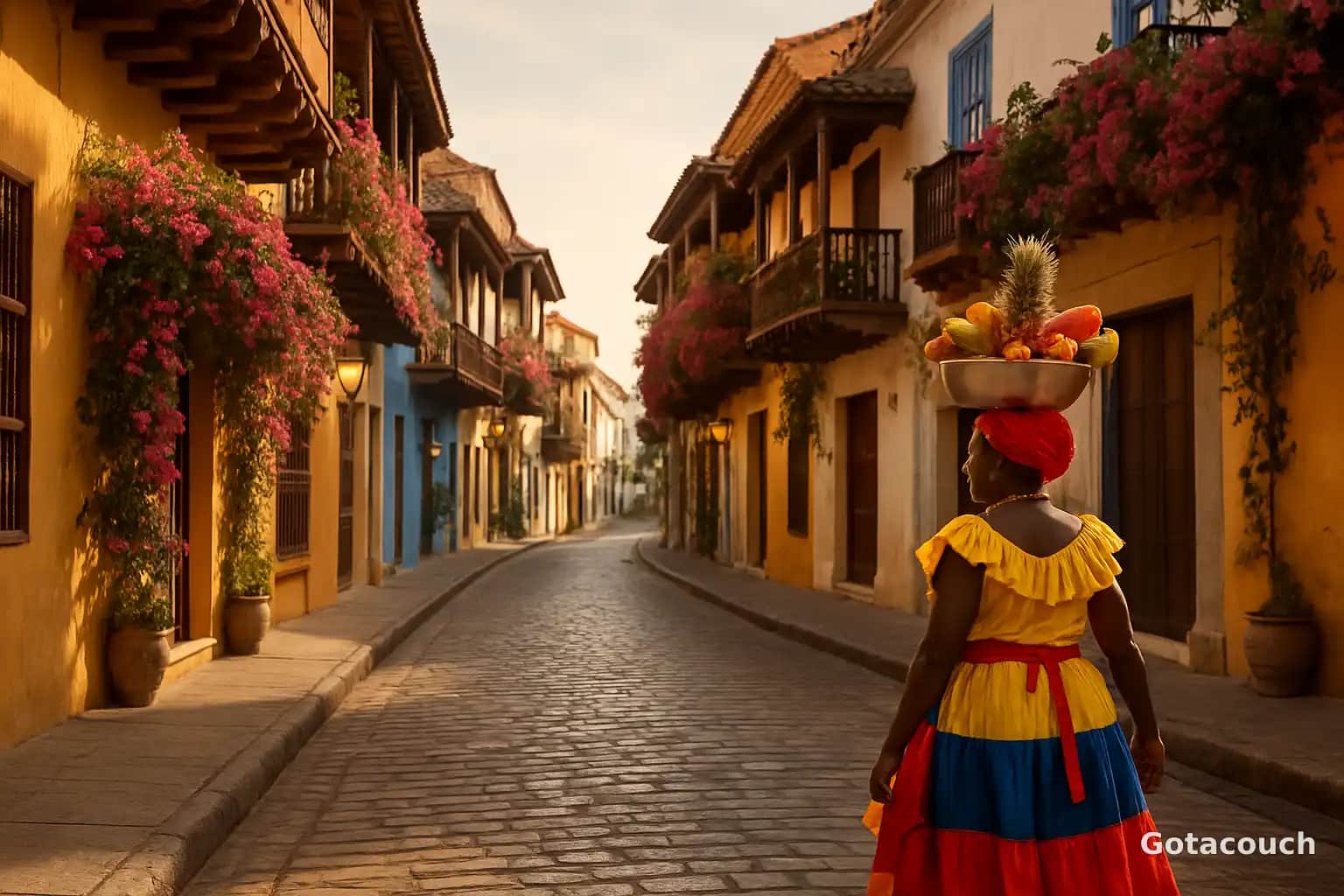
Cartagena de Indias: Walls Built Against Pirates, a Heart Beating to Afro-Caribbean Rhythm
October 14, 2026 at 3:07 PM
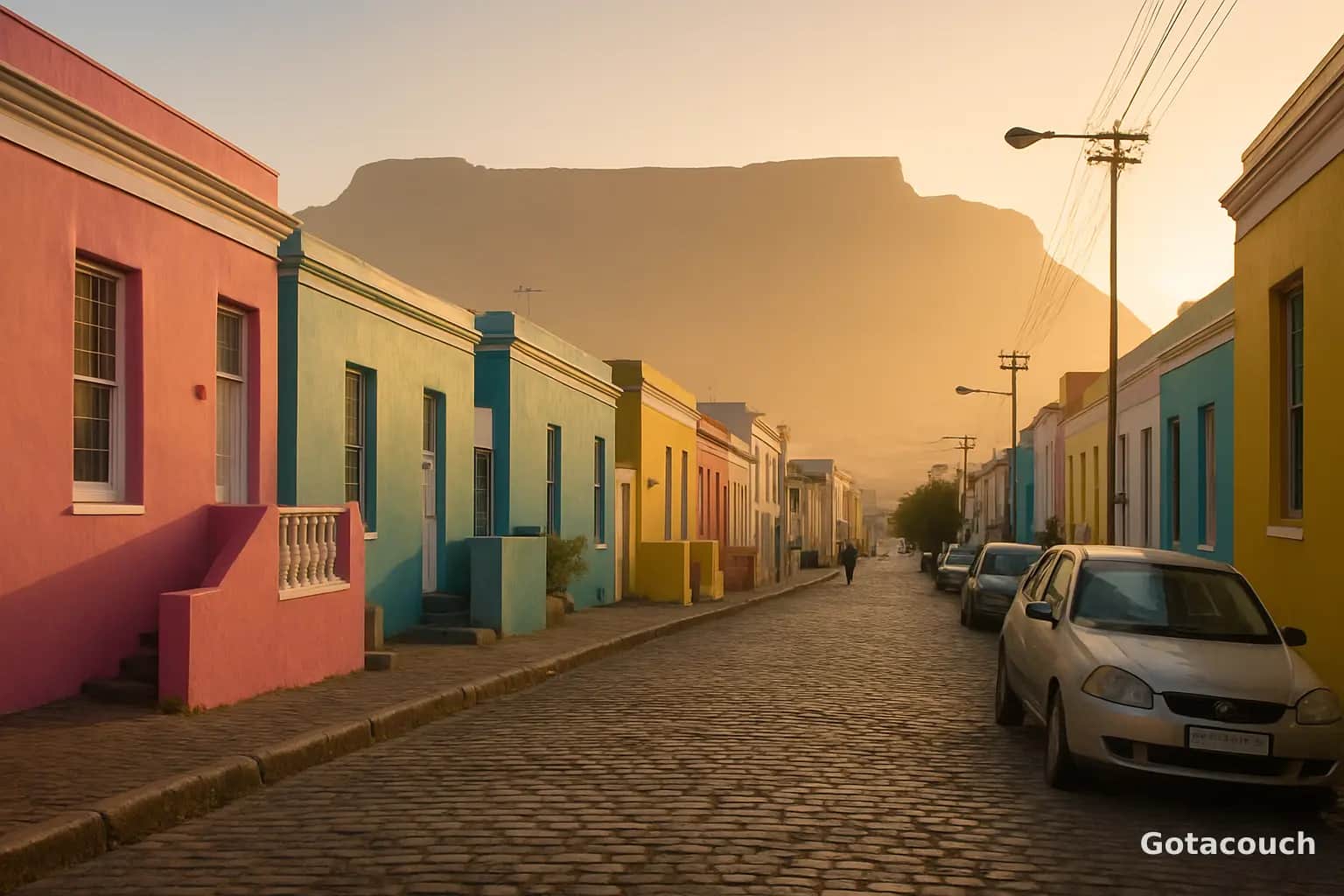
Cape Town Between Two Oceans: Layers of History, Colour and Cuisine Beneath Table Mountain
October 14, 2026 at 2:57 PM
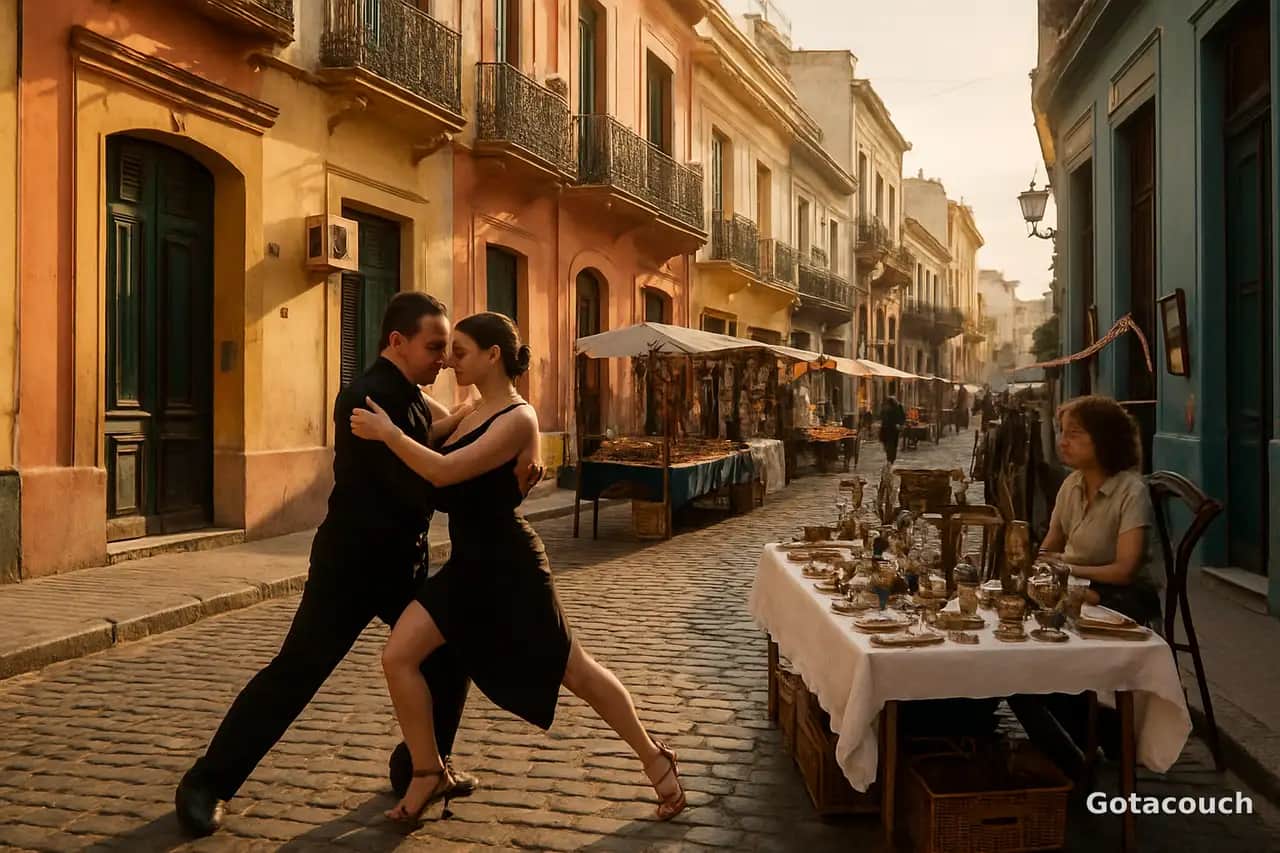
Buenos Aires Block by Block: Tango Roots, Immigrant Dreams and the Rituals of Porteño Life
October 14, 2026 at 2:48 PM
Comments
Log in to leave a comment.
No comments yet.