Ubud, Bali's Inland Soul: Rice Terraces, Temple Rituals and Artisan Villages Beyond the Beach
October 14, 2026 at 2:03 PM · GotaNomad
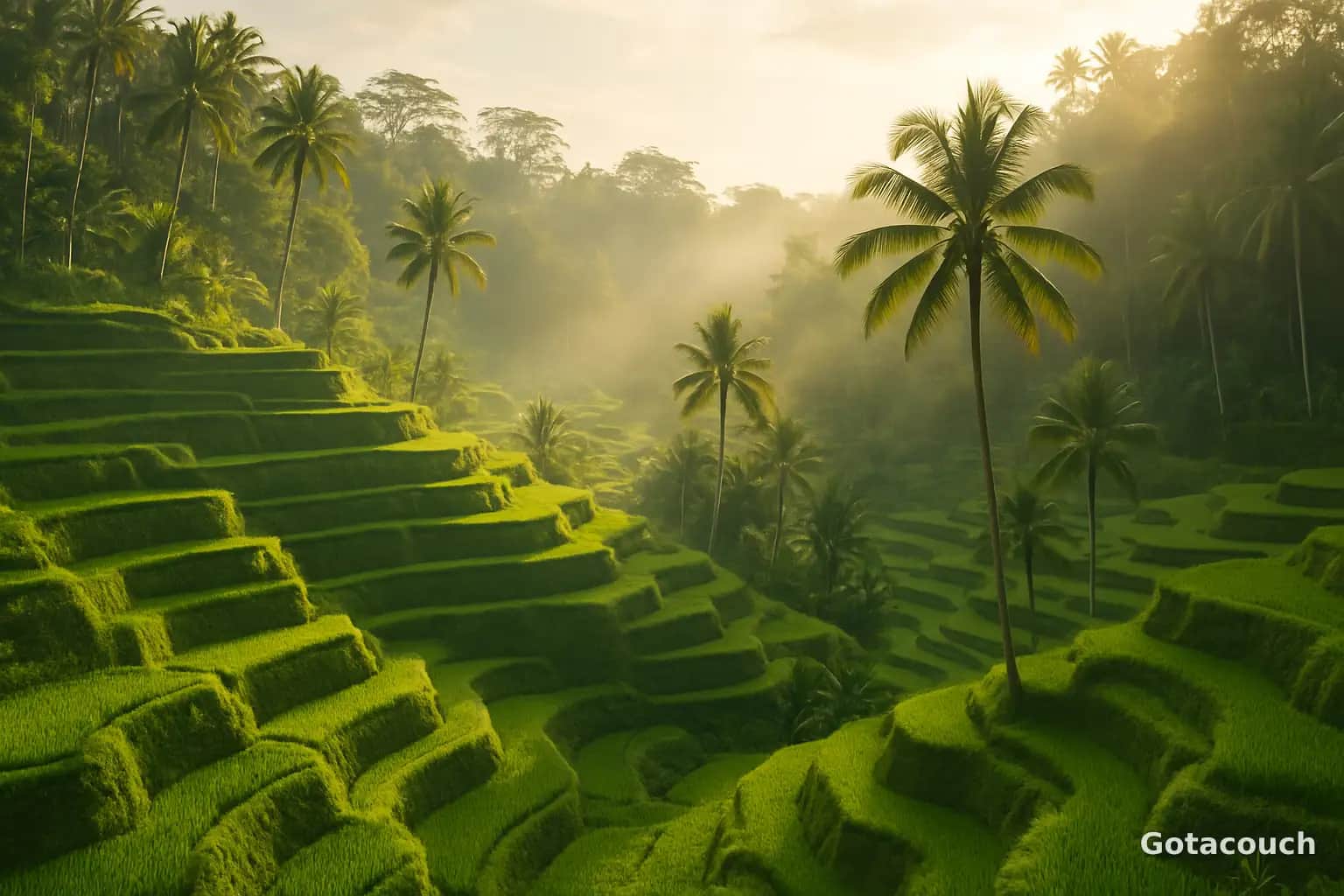
A Town Built on Spirit, Royalty and Art
While southern Bali chases the surf and the sunset bars, Ubud quietly sits inland, wrapped in rice paddies and ravines, and has grown into something else entirely: the island's spiritual and artistic capital. Three pillars shaped this identity over centuries — a local royal lineage still present today, a dense network of active Hindu-Balinese temples, and a living tradition of painting, dance and wood carving passed down through generations of families.
In the twentieth century, Western artists such as Walter Spies settled here, drawn by the light, the landscape and the creative energy of the place. Their presence helped cement Ubud's international reputation as Bali's cultural capital, a title the town has never really let go of. Today that layered history is still visible everywhere: in the Puri Saren Ubud, the royal palace still inhabited by the royal family and partly open to visitors, where traditional dance performances unfold in the evening courtyard, and in the dozens of temples that punctuate daily life rather than simply decorate it.
Wandering Ubud's Neighborhoods, One Pace at a Time
Ubud rewards travelers who explore it on foot, or at least slowly. The central area buzzes around the Pasar Ubud, the traditional market that is pure local life at dawn — fruit, spices and the small woven offerings called canang sari changing hands before sunrise — before the same stalls shift into a more touristic craft market as the day goes on.
Cross the Campuhan river and climb the stairs toward Penestanan, a quieter residential hillside neighborhood of rice fields, cafés and artist studios, a world away from the traffic below. Nearby, Campuhan itself is the starting point of the Campuhan Ridge Walk, a ridge path threading between rice terraces and hills that is especially beautiful at sunrise. On the other side of town, Nyuhkuning, the traditional wood-carving village bordering the Monkey Forest, still hums with the sound of chisels shaping teak and hibiscus wood into figures sold just a few meters from where they're carved.
Temples, Offerings and the Rhythm of Balinese Time
Ubud's temples are not museums; they are living institutions. The sacred Monkey Forest (Mandala Suci Wenara Wana) shelters a fourteenth-century complex of three temples managed by the local customary community, its tree canopy home to long-tailed macaques and quiet stone shrines. In the town center, Pura Taman Saraswati is best known for its lotus pond, where regular temple ceremonies called odalan bring gamelan music, offerings and processions of villagers in white and gold.
These ceremonies follow the Balinese pawukon calendar, so their dates shift every year — but two of the biggest, Galungan and Kuningan, transform the whole town when they occur: bamboo poles called penjor arch gracefully over every street, and fresh canang sari offerings appear each morning in front of every home and shop. Visitors who happen to be in town during these moments, or during a smaller odalan, are sometimes welcome to observe respectfully, a reminder that in Ubud, culture isn't performed for tourists — it simply continues, and guests are invited to witness it.
Rice Terraces, Volcanoes and Day Trips From the Center
The landscapes around Ubud are as much a part of its identity as its temples. The terraced rice fields of Tegallalang, just fifteen to twenty minutes north of town, and the gentler slopes around Campuhan, showcase the centuries-old Subak irrigation system, a cooperative water-sharing tradition recognized as central to Balinese life. In the late afternoon, the village of Petulu draws a different kind of attention: thousands of herons returning to nest in the trees, a natural spectacle locally tied to Balinese beliefs.
Further afield, day trips from Ubud open onto some of Bali's most striking sites: the purification pools of Tirta Empul in Tampaksiring, the rock-cut shrines of Gunung Kawi, the cave temple of Goa Gajah, and the waterfall at Tegenungan. For those craving altitude, Gunung Batur volcano and its caldera lake, roughly an hour and a half to two hours away, is a classic sunrise hike. Travelers with more time can venture to the coffee plantations and waterfalls around Munduk in the northwest, or the quiet rice valley of Sidemen to the east — both far less visited than central Ubud.
Art Villages and the Craft Behind the Souvenirs
Ubud's reputation as an artistic hub extends well beyond its two main museums, the Puri Lukisan and the Neka Art Museum, both dedicated to traditional and modern Balinese painting. Just outside town, the villages of Mas, Taro and Celuk have specialized for generations in wood carving and silver and goldsmithing respectively, crafts local artisans say remain genuinely active today, not staged for visitors. Spending an afternoon in one of these villages, watching a carver work a block of wood into a dancer's silhouette, says more about Ubud's soul than any gallery wall label ever could.
Eating Like a Balinese Family
Balinese cuisine built around Ubud centers on rice, the spice paste known as bumbu, and dishes traditionally prepared for ceremonies and family gatherings: babi guling, slow-roasted pork marinated in local spices, and tum ayam, chicken simmered in banana leaf parcels. Several cooking schools in and around town offer hands-on classes that begin with a visit to a local market, a wonderful way to understand the ingredients before they land on the plate. Staying with a local family, as the GotaNomad spirit encourages, often goes further still: some hosts invite guests into their own kitchens, or let them join the daily ritual of preparing canang sari offerings, a small gesture that opens up a much deeper understanding of Balinese daily life than any tour ever could.
When to Go and How to Get Around
Bali follows a tropical rhythm of two seasons: a dry season roughly from April to October, generally preferred for outdoor activities and volcano treks, and a rainy season from November to March, which turns the rice terraces an even deeper green. Because Ubud sits inland and at altitude, it tends to feel slightly cooler and more humid than the coast, whatever the season — pack accordingly.
Ubud has no organized public transport network, so most visitors get around by rented scooter, private driver, or app-based ride-hailing, though the latter's use is sometimes restricted in the town center to favor local drivers. Traffic is dense and roads can be narrow, so a helmet is essential for any scooter ride, and travel insurance that explicitly covers two-wheeled vehicles is worth double-checking before departure — a detail many travelers overlook. Petty theft of bags and phones does occur, so the usual city-travel vigilance applies, as does extra caution for anyone inexperienced on a scooter.
Practical Notes Before You Go
The local currency is the Indonesian rupiah (IDR), and cash remains common for small shops, markets and negotiated purchases. Before traveling, it's worth confirming current visa requirements, fees and entry procedures directly with the Indonesian embassy or consulate and local immigration authorities, since these details change periodically. Temple ceremony schedules, workshop opening times and access conditions to sites like the Monkey Forest are best confirmed with the Gianyar tourism office or Ubud's town administration closer to your travel dates.
Most travelers find that four to five days in Ubud strikes the right balance between exploring the town itself — its palace, temples, markets and art villages — and venturing out to the rice terraces, waterfalls and volcano beyond. It's enough time to slow down, and in a town built around ritual and rhythm rather than a checklist of sights, slowing down is exactly the point.
Articles to discover
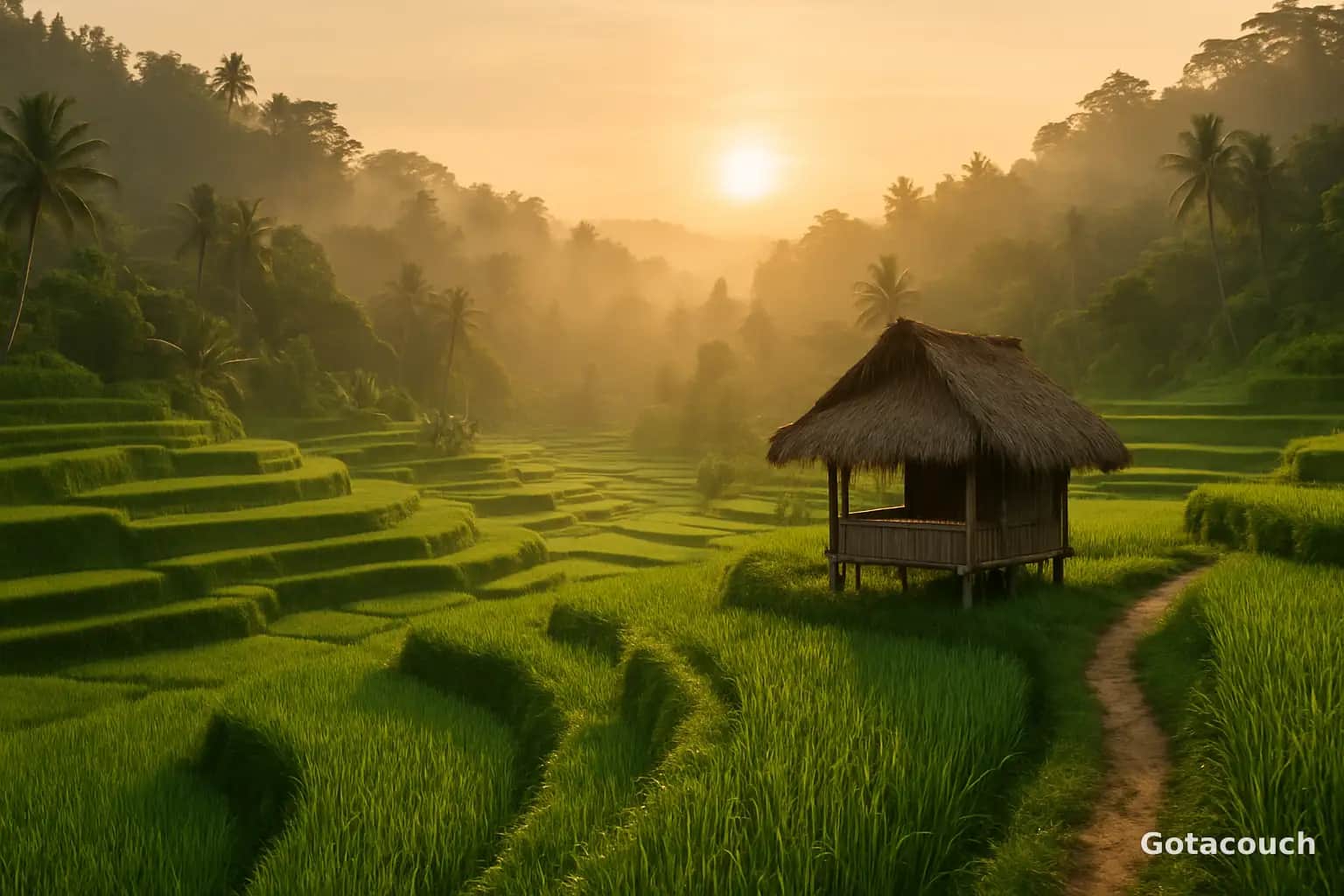
Ubud, Bali’s Creative Soul: Rice Terraces, Temple Rituals and Artisan Villages Beyond the Tourist Trail
October 14, 2026 at 2:02 PM
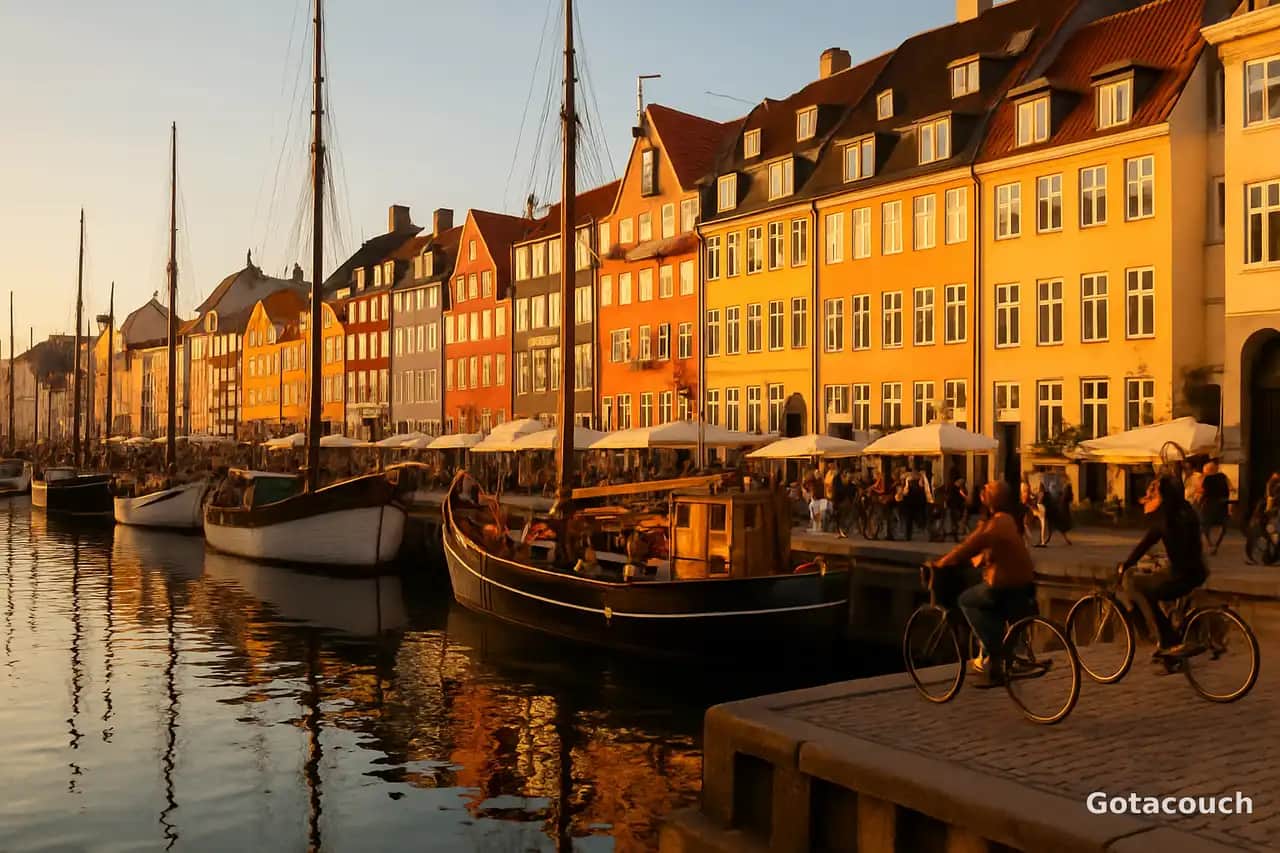
Copenhagen on Two Wheels: Canals, Hygge and the New Nordic Spirit of Denmark's Capital
October 15, 2026 at 11:18 AM
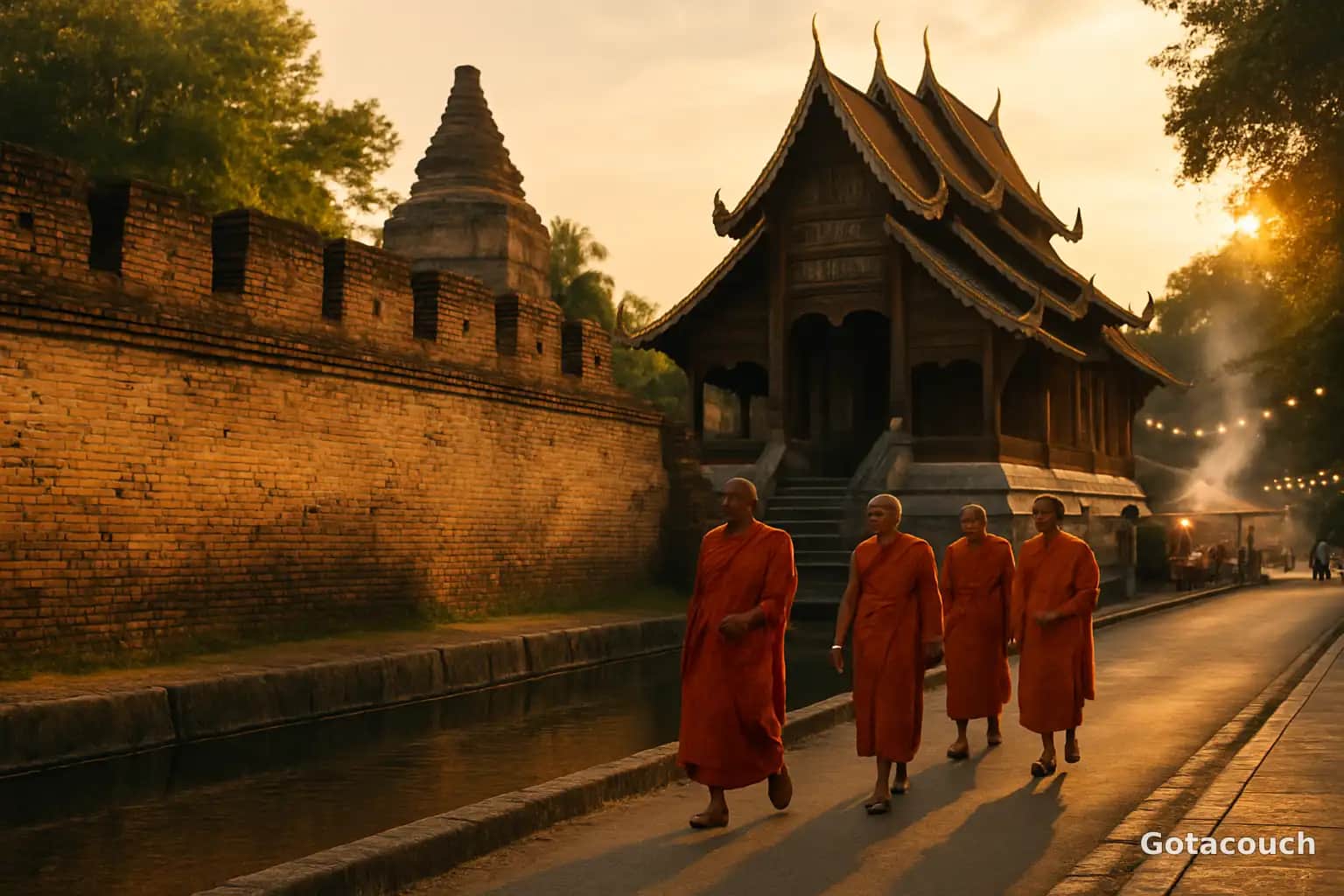
Chiang Mai Within Its Moats: Lanna Heritage, Misty Mountains and the Slow Rhythm of Northern Thailand
October 14, 2026 at 3:17 PM
Cartagena de Indias: Walls Built Against Pirates, a Heart Beating to Afro-Caribbean Rhythm
October 14, 2026 at 3:07 PM
Cape Town Between Two Oceans: Layers of History, Colour and Cuisine Beneath Table Mountain
October 14, 2026 at 2:57 PM
Buenos Aires Block by Block: Tango Roots, Immigrant Dreams and the Rituals of Porteño Life
October 14, 2026 at 2:48 PM
Comments
Log in to leave a comment.
No comments yet.